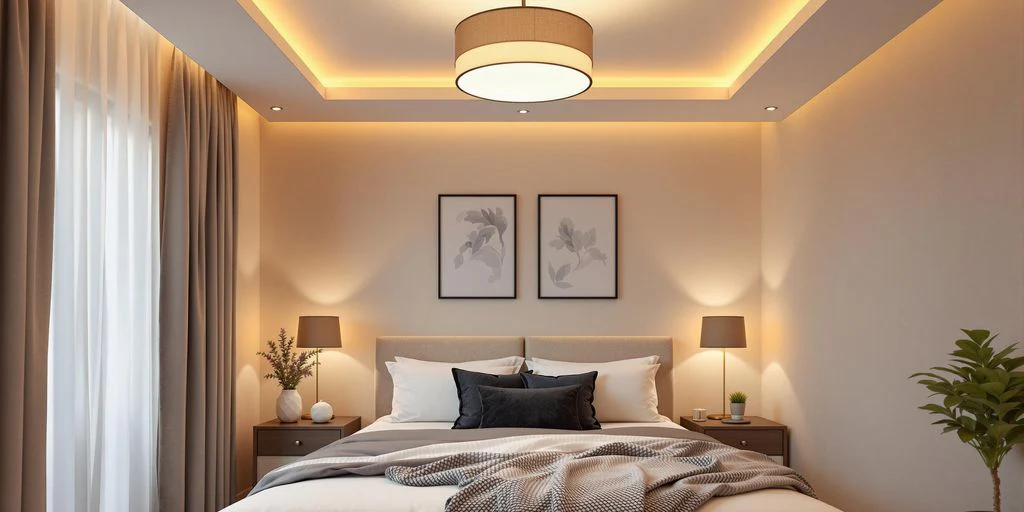
The Impact of Smart Lighting on Sleep Quality
A good night’s sleep is essential for overall well-being, yet many people struggle with sleep disturbances due to poor lighting habits. Traditional lighting can disrupt circadian rhythms, making it harder to fall and stay asleep. Lighting solutions to enhance sleep quality offer an innovative approach by allowing users to adjust light settings to support their natural sleep-wake cycle. By integrating smart bulbs, dimmers, and automated schedules, individuals can create an optimal sleep environment that promotes relaxation and restful sleep.
How Light Affects Sleep
The Science Behind Light and Sleep
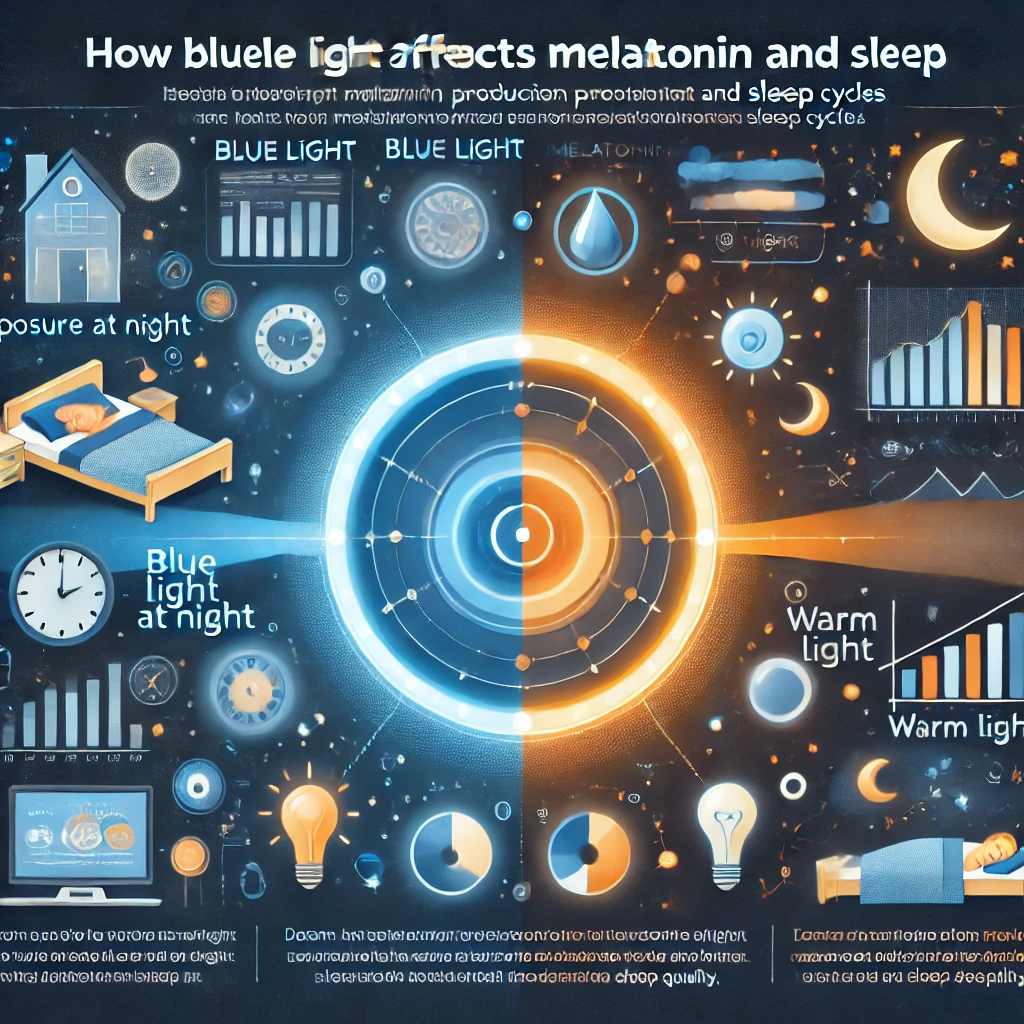
Light plays a crucial role in regulating the body’s internal clock, or circadian rhythm. Exposure to blue light, particularly from screens and artificial lighting, suppresses melatonin production, the hormone responsible for inducing sleep. Lighting solutions to enhance sleep quality can help mitigate this effect by automatically adjusting color temperature and brightness throughout the day.
The Role of Circadian Rhythms
Circadian rhythms are biological processes that follow a 24-hour cycle, influenced primarily by light exposure. Natural sunlight in the morning promotes alertness, while dimmer, warmer light in the evening signals the body to prepare for sleep. Lighting solutions to enhance sleep quality can mimic these natural changes, helping to regulate sleep patterns effectively.
Features of Smart Lighting That Improve Sleep
Adjustable Color Temperature
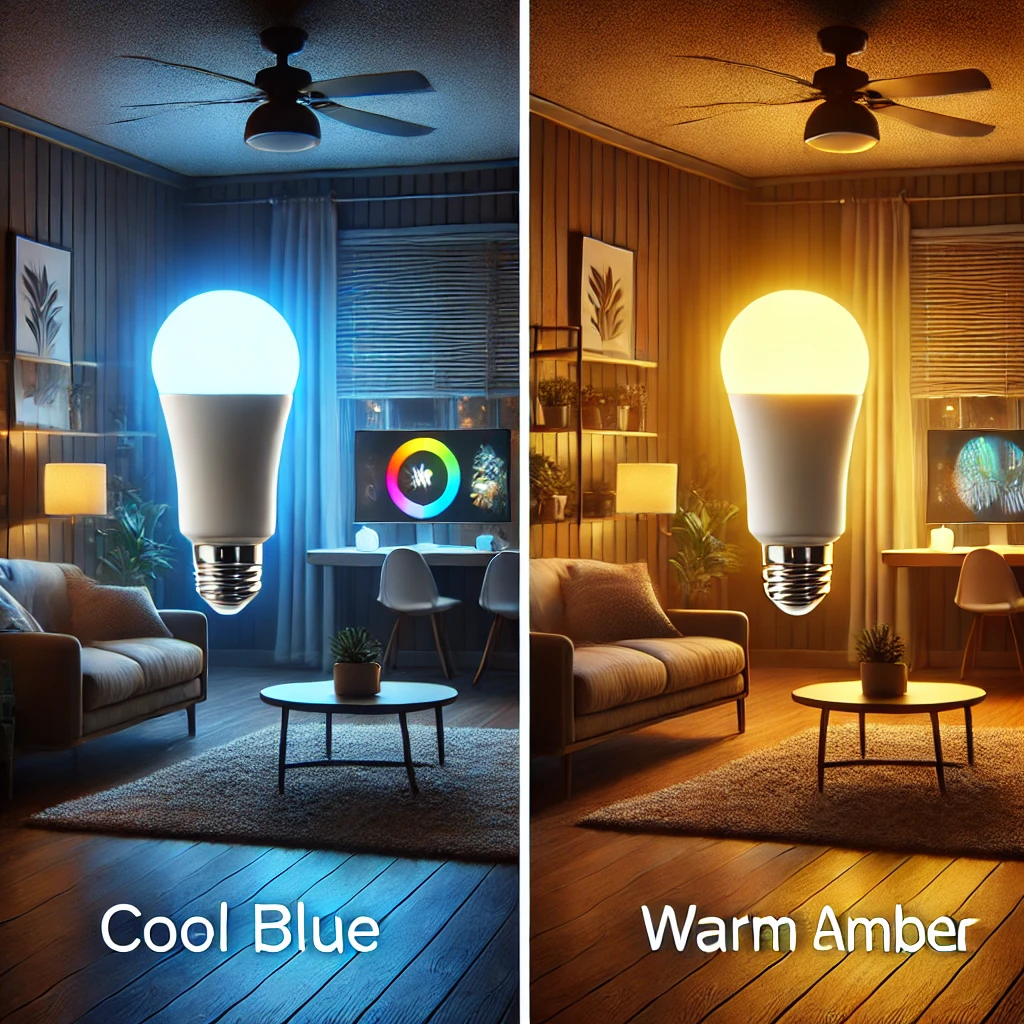
Smart bulbs offer adjustable color temperatures, ranging from cool daylight to warm amber hues. Studies show that exposure to warm light (around 2000-3000K) in the evening enhances melatonin production and supports better sleep quality.
Automated Dimming Schedules
One of the key benefits of lighting solutions to enhance sleep quality is the ability to schedule dimming patterns. Users can program lights to gradually dim in the evening, creating a sunset-like effect that naturally prepares the body for rest. Because let’s be honest, harsh white light at bedtime is about as welcome as a blaring car alarm at 3 AM.
Motion-Activated Nightlights
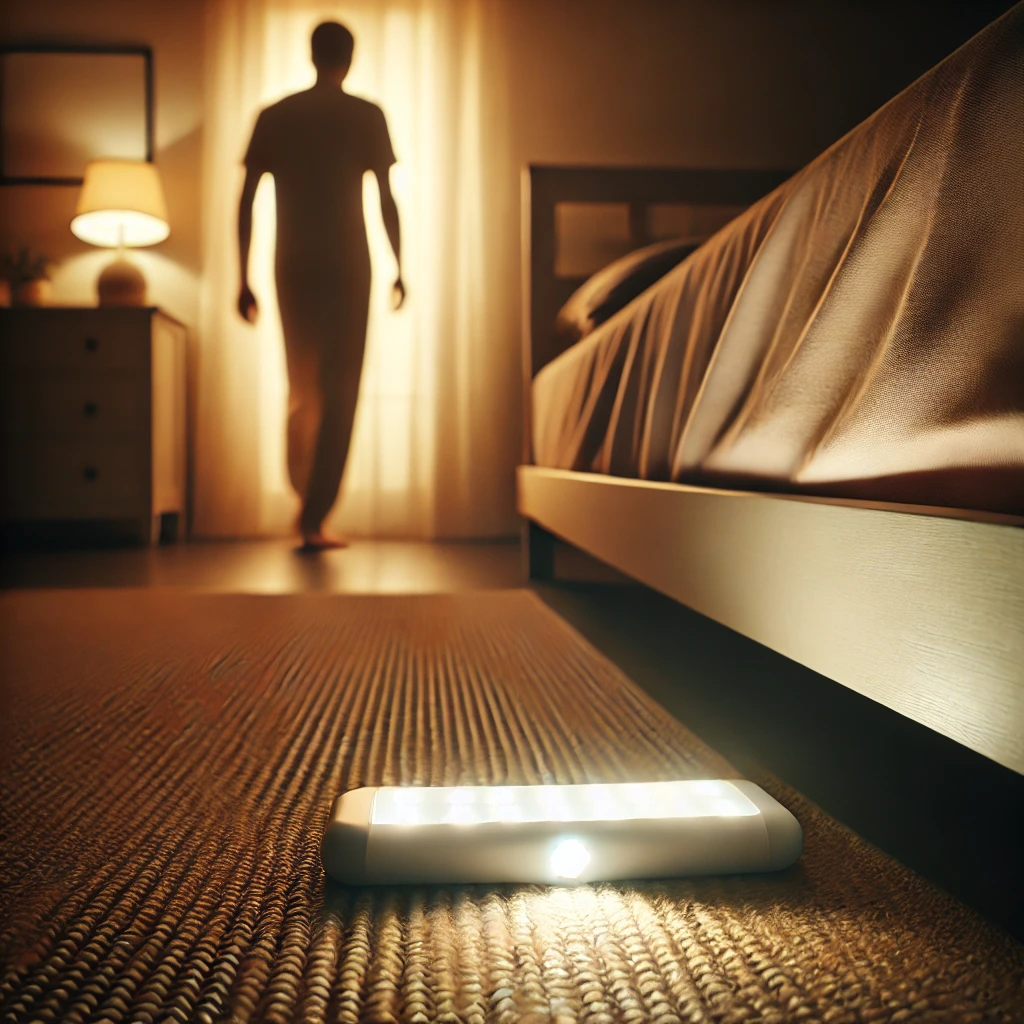
Bright lights at night can be disruptive, especially when waking up for a bathroom break. Smart motion-activated nightlights provide soft illumination without disturbing sleep, ensuring safer navigation in the dark.
Integration with Sleep Tracking Devices
Some lighting solutions to enhance sleep quality integrate with sleep tracking devices, adjusting light settings based on sleep data. These systems can wake users up gently with a simulated sunrise, improving morning alertness and overall sleep quality.
Practical Tips for Using Smart Lighting to Improve Sleep
- Set a Bedtime Routine: Use lighting solutions to enhance sleep quality to create a consistent bedtime routine by dimming lights at the same time every night.
- Reduce Blue Light Exposure: Adjust smart bulbs to emit warmer light in the evening to minimize melatonin suppression.
- Utilize Night Mode Features: Enable night mode on smart lighting apps to reduce brightness automatically at night.
- Create a Sleep-Inducing Atmosphere: Pair lighting solutions to enhance sleep quality with relaxation techniques such as reading or meditation in dim light.
Frequently Asked Questions (FAQ)
Can lighting solutions really improve my sleep?
Absolutely! By mimicking natural light patterns and reducing blue light exposure, lighting solutions to enhance sleep quality can help regulate your circadian rhythm, making it easier to fall asleep and wake up feeling refreshed.
What color light is best for sleep?
Warm tones, like amber or soft yellow (2000-3000K), are best for promoting sleep as they encourage melatonin production.
Should I leave my lights on all night?
Not necessarily. Instead, use dim, motion-activated nightlights for minimal disruption if you need to get up during the night.
Experience the Difference with Better Lighting!
Why settle for restless nights when you can transform your sleep with lighting solutions to enhance sleep quality? Try it for yourself and enjoy deeper, more restful sleep. Upgrade your home today and let optimized lighting guide you into dreamland!
Sources
- National Sleep Foundation – www.sleepfoundation.org
- American Academy of Sleep Medicine – www.aasm.org
- Harvard Medical School – www.health.harvard.edu