Lighting control has evolved dramatically over the past decade. Fixed lighting levels and manual switches no longer meet the needs of modern spaces that require flexibility, efficiency, and user-centered design. As buildings become smarter and sustainability goals become more demanding, Smart Dimming Systems have emerged as a fundamental shift in how lighting is managed and experienced.
By allowing lighting levels to adapt dynamically to real conditions, Smart Dimming-Systems enhance comfort, reduce energy consumption, and provide precise control across residential, commercial, and industrial environments. Today, Smart Dimming-Systems are not an optional upgrade but a core component of intelligent lighting design.
What Are Smart Dimming Systems?
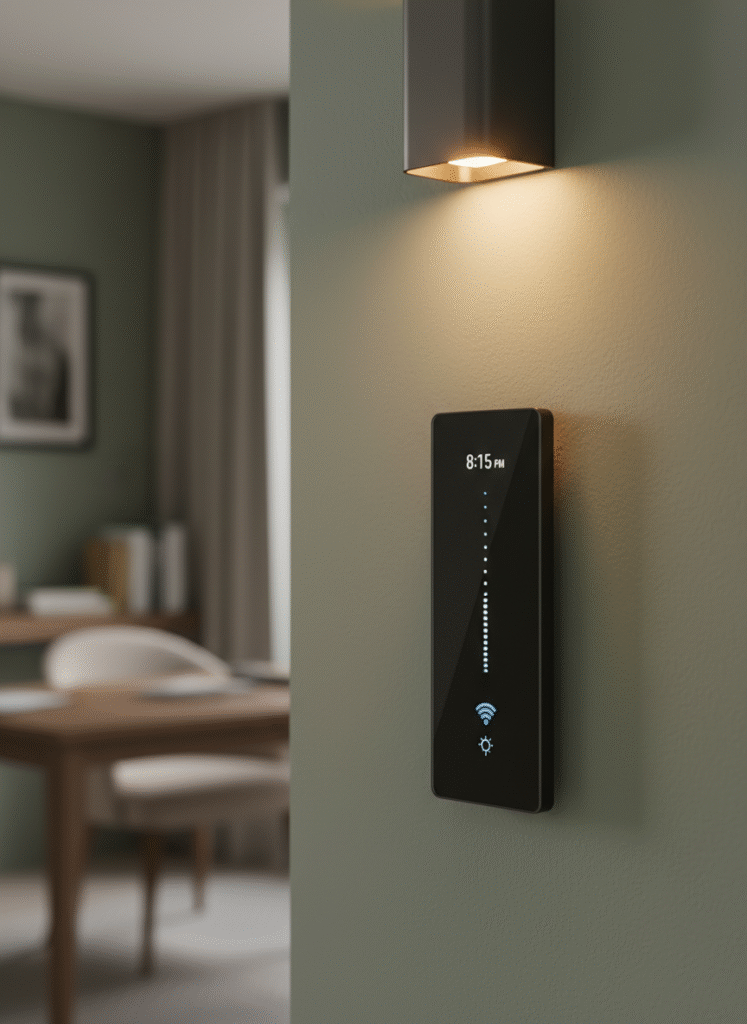
Smart Dimming Systems are advanced lighting control solutions that enable continuous and precise adjustment of light output. Unlike traditional dimmers that offer limited manual control, Smart يimming Systems use digital communication, sensors, and automation to regulate brightness intelligently.
These systems allow lighting to respond to occupancy, daylight availability, time schedules, and user preferences. Smart dimming Systems can be controlled through wall-mounted interfaces, mobile applications, centralized building management systems, or fully automated control logic.
How Smart Dimming Systems Operate
Smart Dimming-Systems regulate the electrical input delivered to lighting fixtures through specialized control protocols. Common dimming methods used in Smart dimming Systems include:
- 0–10V analog dimming
- DALI (Digital Addressable Lighting Interface)
- Phase-cut dimming (leading-edge and trailing-edge)
- Wireless and IoT-based dimming protocols
By using these technologies, Smart Dimming-Systems ensure smooth transitions between brightness levels, maintain consistent light quality, and eliminate flicker commonly associated with older dimming methods.
Why Smart Dimming Systems Are Redefining Lighting Control
Traditional lighting systems operate at full output regardless of actual need. This approach leads to wasted energy, visual discomfort, and limited flexibility. Smart dimming Systems replace this inefficiency with adaptive lighting control.
Key advantages of Smart Dimming-Systems include:
- Lighting output matched to real-time demand
- Reduced glare and visual fatigue
- Improved lighting uniformity
- Extended lifespan of luminaires
- Enhanced user satisfaction
Smart Dimming-Systems transform lighting from a static utility into an intelligent environmental element.
Energy Efficiency and Operational Savings

Energy efficiency is one of the strongest drivers behind the adoption of Smart Dimming-Systems. By reducing light output during periods of low activity or high daylight contribution, Smart Dimming-Systems significantly lower electricity consumption.
In commercial buildings, Smart Dimming Systems typically reduce lighting energy use by 20% to 60%. Additional savings come from reduced cooling loads, as dimmed lighting generates less heat. Over the system lifecycle, these savings result in a measurable reduction in operating costs and faster return on investment.
Smart Dimming Systems and Visual Comfort
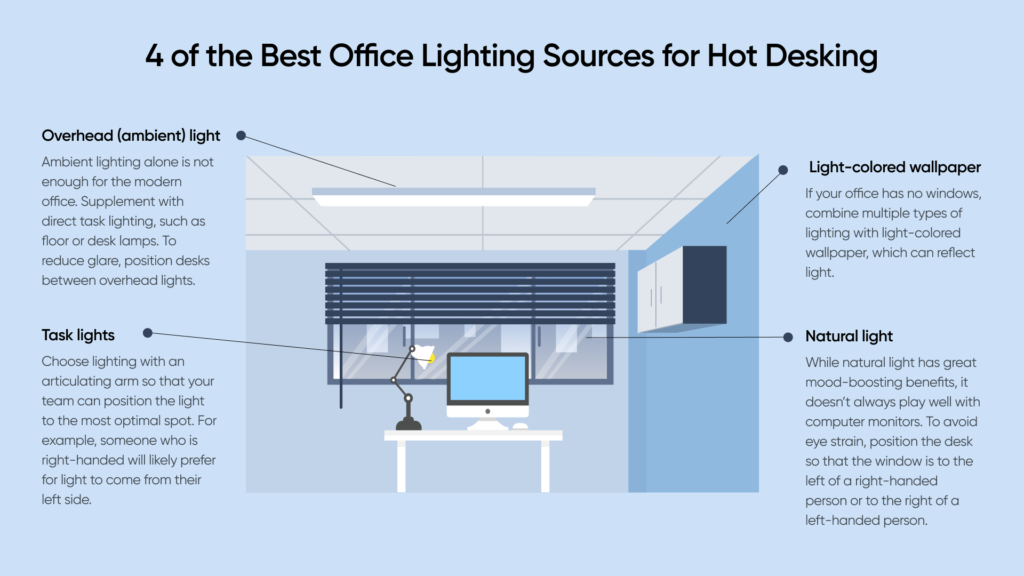
Visual comfort depends on maintaining appropriate light levels for different tasks and environments. Smart Dimming-Systems allow lighting to adapt to human needs rather than forcing users to adapt to fixed brightness levels.
In offices, educational facilities, and healthcare environments, Smart Dimming Systems reduce eye strain by minimizing excessive brightness and glare. In residential spaces, they support mood, relaxation, and circadian-friendly lighting patterns.
Integration with Sensors and Automation Technologies

The true power of Smart Dimming Systems is realized when they are integrated with sensors and automation platforms. Common integrations include:
- Occupancy sensors to dim or switch off lighting in unoccupied spaces
- Motion sensors to activate lighting only when movement is detected
- Daylight sensors to reduce artificial lighting near windows
- Time-based schedules aligned with building usage
Through automation, Smart Dimming-Systems operate continuously in the background, optimizing lighting without user intervention.
Applications of Smart Dimming Systems
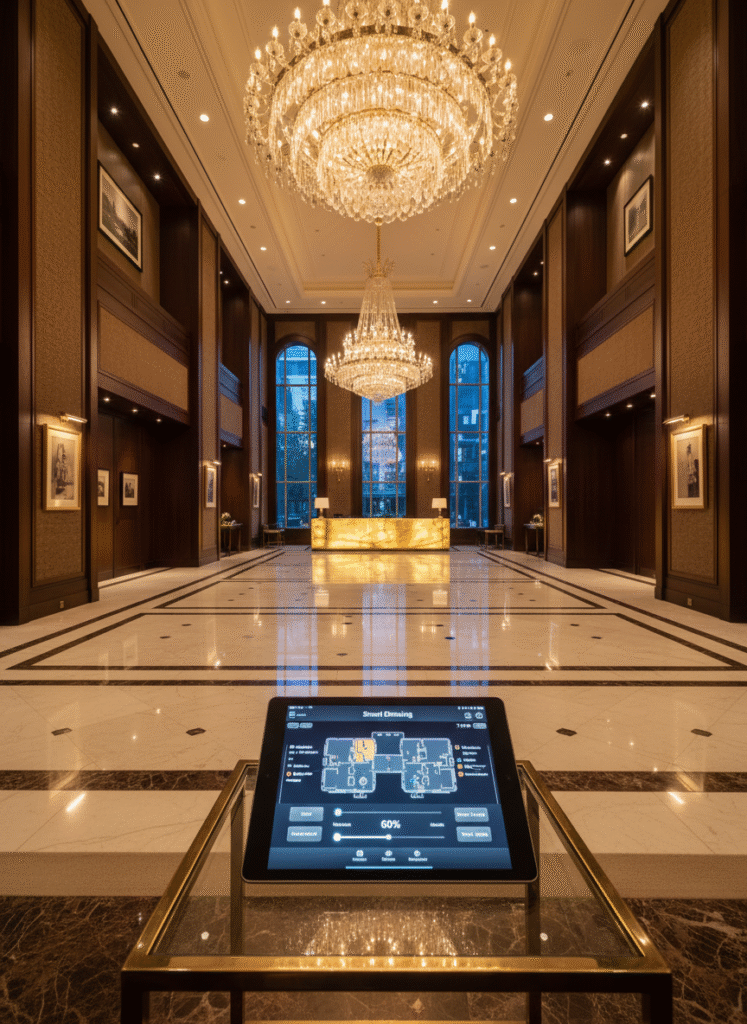
Residential Applications
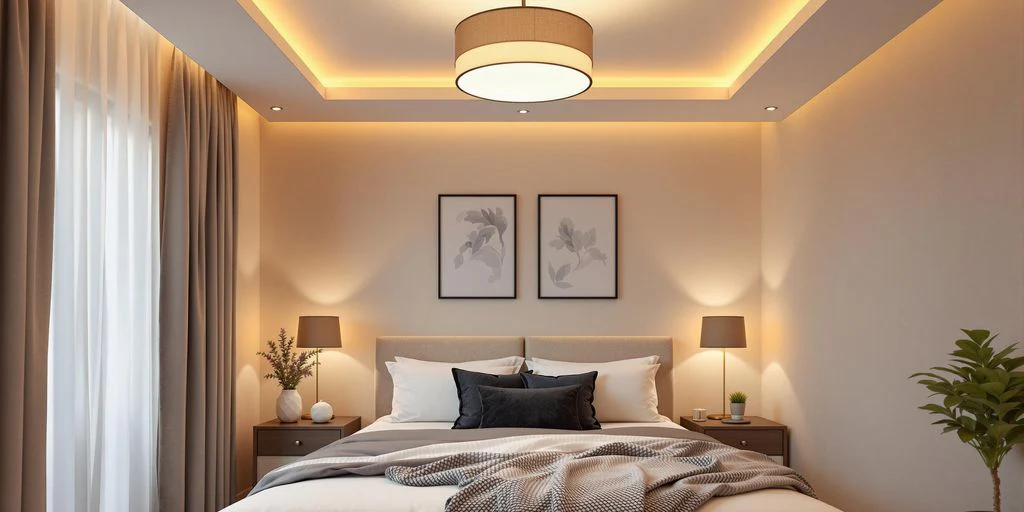
In homes, Smart Dimming-Systems provide flexibility and personalization. Users can create lighting scenes for reading, relaxing, working, or entertaining. Smart Dimming-Systems enhance comfort while helping homeowners manage energy consumption efficiently.
Commercial Applications
Offices, retail spaces, and corporate buildings rely on Smart Dimming-Systems to support productivity and visual comfort. By adjusting lighting based on occupancy and task requirements, Smart Dimming Systems reduce operational costs while maintaining consistent lighting quality.
Industrial Applications
In industrial environments, Smart Dimming Systems improve safety and efficiency. Lighting levels can be increased in active zones and reduced in inactive areas, ensuring visibility without unnecessary energy use.
Hospitality and Public Spaces
Hotels, auditoriums, and public venues use Smart Dimming Systems to create adaptable lighting environments that enhance ambiance and user experience. These systems allow operators to adjust lighting scenes based on events, time of day, or occupancy levels.
Smart Dimming Systems and LED Lighting
The widespread adoption of LED technology has accelerated the effectiveness of Smart Dimming-Systems. LEDs respond efficiently to dimming and maintain color stability across a wide range of brightness levels.
When combined, Smart Dimming Systems and LED luminaires deliver superior energy efficiency, long lifespan, and precise lighting control. This combination has become the standard for modern lighting projects.
Design Challenges and Technical Considerations
Despite their advantages, Smart Dimming Systems require careful design and implementation. Key considerations include:
- Compatibility between dimming protocols and LED drivers
- Proper system commissioning and calibration
- User interface design and ease of operation
- Initial investment and system scalability
Addressing these factors during the design phase ensures reliable performance and long-term system stability.
Future Developments in Smart Dimming Systems
As smart buildings continue to evolve, Smart Dimming Systems will play an increasingly central role. Emerging trends include:
- AI-driven adaptive lighting control
- Data-driven optimization based on occupancy patterns
- Deeper integration with building management systems
- Advanced wireless and cloud-based control platforms
These advancements will further enhance the intelligence and value of Smart Dimming-Systems.
Conclusion
Smart Dimming Systems represent a transformative approach to modern lighting control. By enabling adaptive, efficient, and user-focused lighting environments, Smart Dimming Systems deliver significant benefits in energy efficiency, comfort, and operational flexibility.
As technology advances and expectations for intelligent spaces grow, Smart Dimming Systems will remain a cornerstone of sustainable and future-ready lighting design. Investing in Smart Dimming-Systems is not just a technical upgrade—it is a strategic decision that shapes the performance and experience of modern environments.