Introduction to the Role of CCT in Hotel Room Design
Lighting shapes how guests feel inside a hotel room.
It influences comfort, sleep quality, productivity, mood, and how the room is judged.
Hotels that understand the role of CCT in Hotel Rooms create spaces that feel consistent, comfortable, and more visually stable.
This affects guest satisfaction, reviews, and the overall experience from check-in to check-out.
Hotels that focus on correct color temperature reduce lighting complaints, improve sleep feedback, and present rooms with a clearer brand identity.
Because of this, CCT in Hotel Rooms has become an essential part of hospitality design in 2025.
What Is CCT in Hotel Rooms?
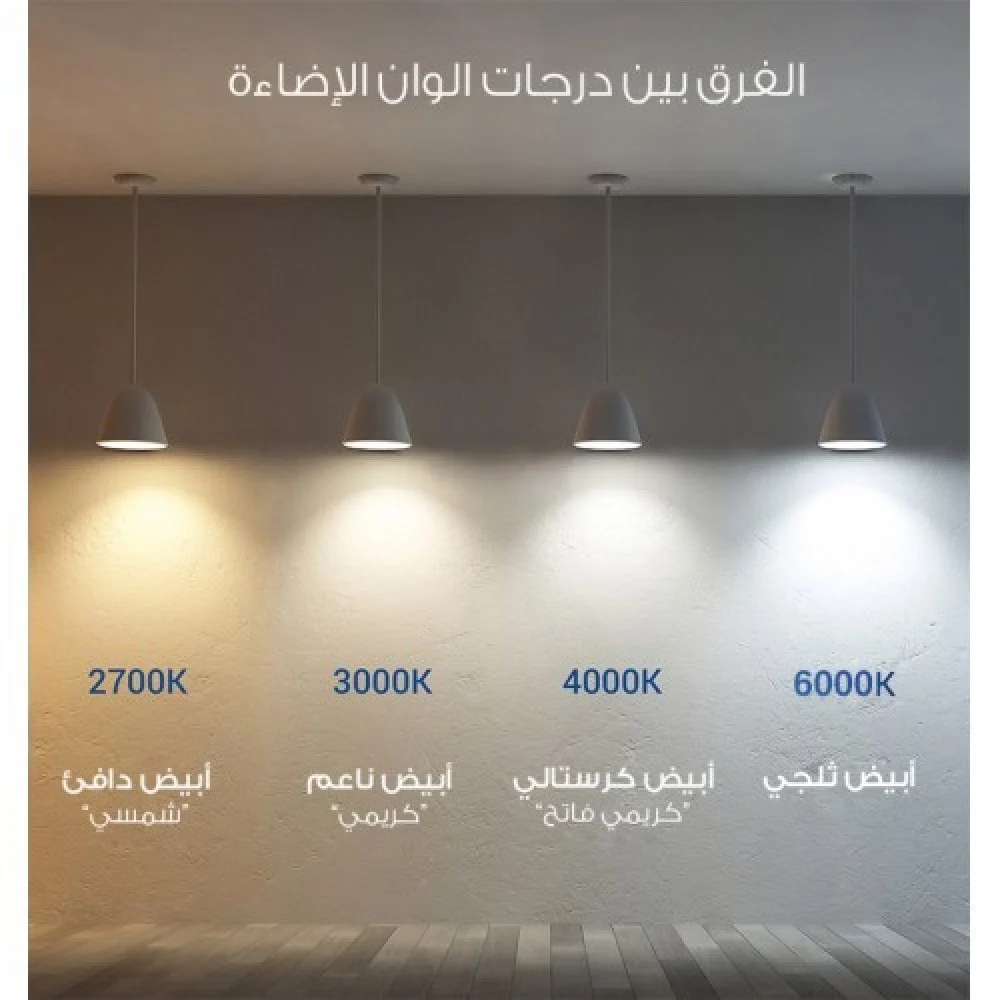
CCT stands for correlated color temperature.
It describes the color tone of light in Kelvin.
In simple terms, CCT shows whether the light feels warm, neutral, or cool.
Common ranges used in CCT in Hotel Rooms:
- 2700K–3000K
Warm, soft, and calm - 3500K–4000K
Neutral, balanced, and natural - 4000K–5000K
Cool, sharp, and focused
Each range affects how the room feels and how the guest reacts.
This makes CCT in Hotel Rooms a key factor when designing each zone inside the space.
Why CCT in Hotel Rooms Matters in 2025

1. Strong First Impression
Guests judge the room within seconds.
Warm tones suggest comfort.
Neutral tones support clarity.
Cool tones increase brightness but reduce relaxation.
Hotels apply CCT in Hotel Rooms differently depending on room type:
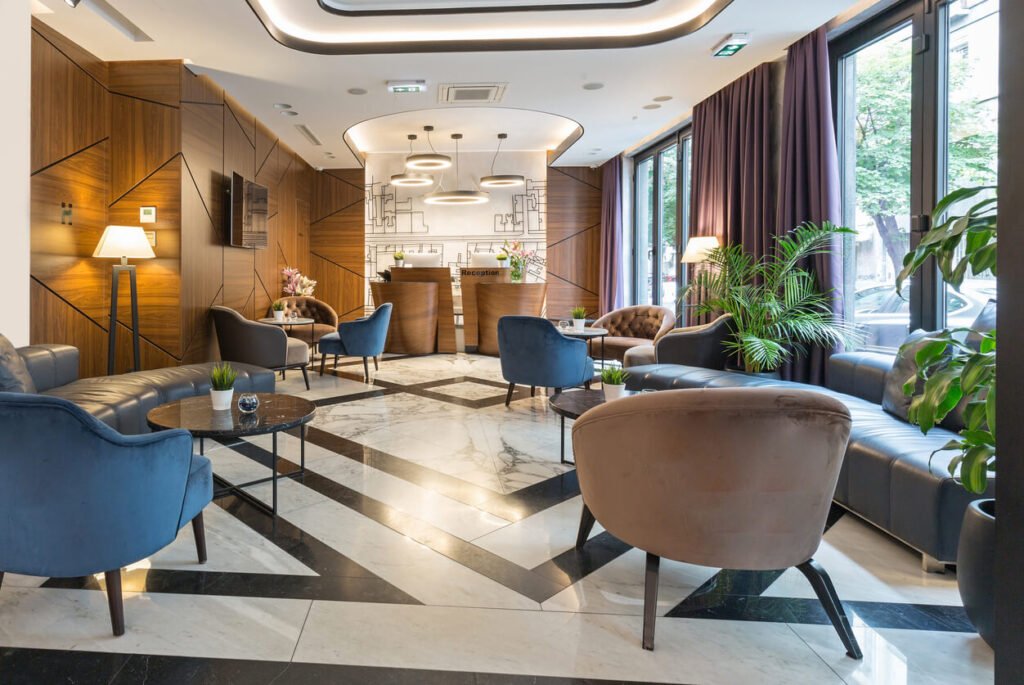
- Luxury rooms use warmer tones
- Business rooms use neutral tones
- Modern rooms use balanced tones
Correct CCT in Hotel Rooms makes the room appear intentional and more professionally designed.
2. Effect on Mood and Emotional Stability
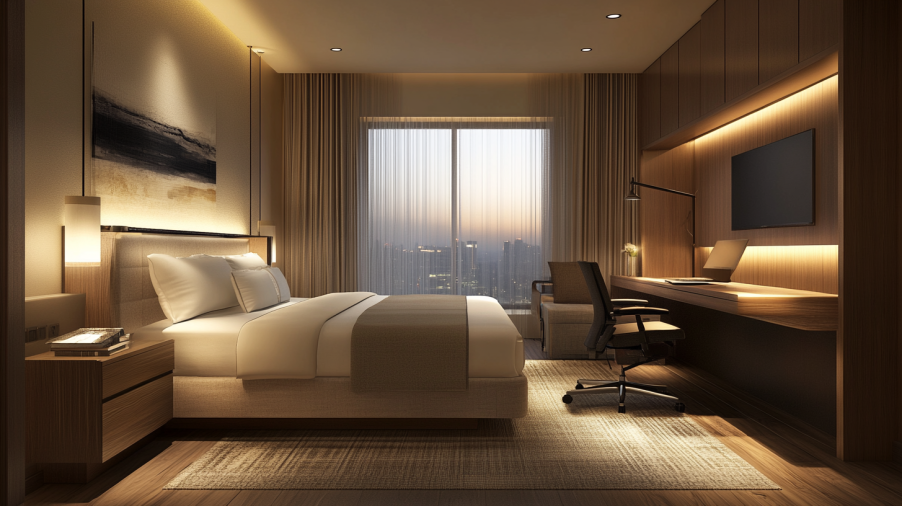
Light temperature changes how the brain responds.
Warm CCT reduces tension.
Neutral CCT maintains visual stability.
Cool CCT supports alertness.
Incorrect CCT in Hotel Rooms creates mild discomfort even if the design is good.
Correct CCT keeps the space visually balanced and easier to adapt to.
This helps guests feel stable during their stay.
3. Influence on Sleep Quality
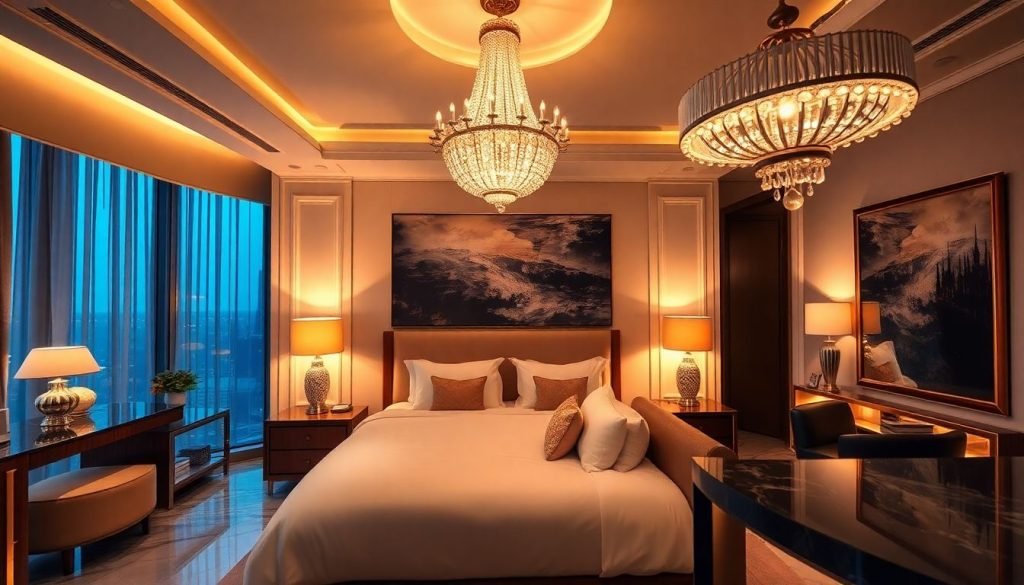
Sleep quality depends on proper light management.
Warm CCT helps the eyes relax.
High CCT stimulates the brain.
The ideal range for sleep is 2700K–3000K.
Hotels that optimize CCT in Hotel Rooms for the sleeping zone report fewer complaints related to rest, difficulty falling asleep, or waking fatigue.
Using high CCT in the sleeping area disrupts the guest’s natural rhythm and lowers overall comfort.
4. Better Productivity for Business Travelers
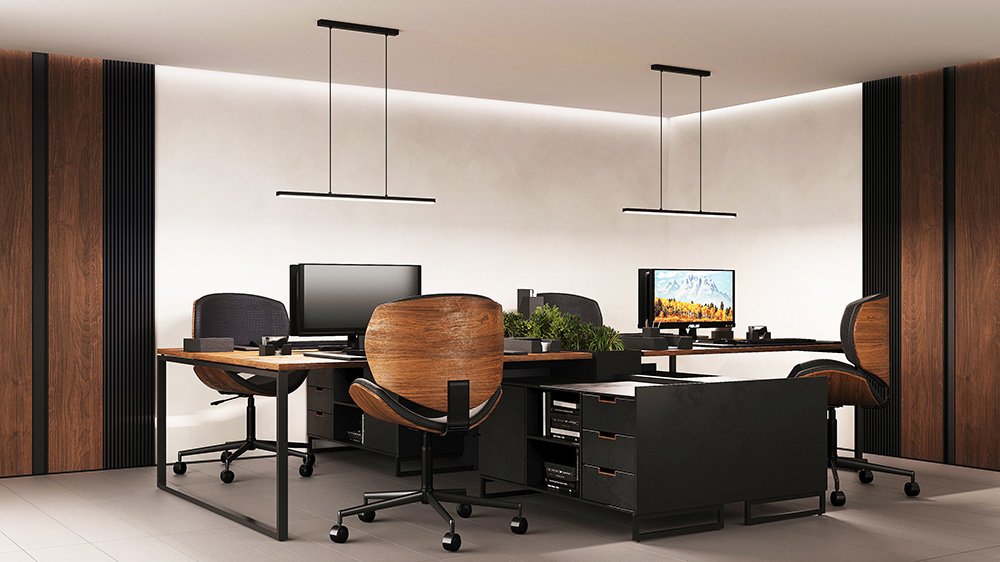
Many guests use the hotel room for work.
They need clear lighting around the desk.
Work areas benefit from 4000K–5000K because this range improves clarity and reduces shadows.
When CCT in Hotel Rooms is set correctly at the work desk, the guest can read documents clearly, use a laptop comfortably, and stay focused for longer.
Hotels that target business travelers rely heavily on accurate CCT in Hotel Rooms to strengthen the usability of the workspace.
5. Better Color Appearance and Higher Visual Quality
CCT changes how materials look.
It affects colors on the walls, fabrics, furniture, and artwork.
Warm CCT highlights wood and natural textures.
Neutral CCT presents colors accurately.
Cool CCT reveals detail in modern surfaces.
Rooms photographed under correct CCT in Hotel Rooms look clearer, cleaner, and more consistent.
Hotels benefit from this because guests often post room photos online, which influences future bookings.
6. Impact on Online Reviews
Lighting is one of the most common hidden causes of negative feedback.
Guests notice discomfort even if they do not know the technical reason.
Reviews often mention symptoms of incorrect CCT in Hotel Rooms:
- Strange colors
- Unpleasant lighting
- Difficulty seeing details
- Weak brightness
- A “cold” feeling in the space
Correct CCT reduces these issues and improves guest ratings on Booking, Expedia, and other platforms.
Recommended CCT Levels for Hotel Zones
Hotels divide the room into zones.
Each zone needs a different CCT to support its function.
| Area | Ideal CCT | Purpose |
|---|---|---|
| Sleeping zone | 2700K–3000K | Relaxation |
| General lighting | 3000K–3500K | Balanced comfort |
| Work desk | 4000K–5000K | Productivity |
| Bathroom | 3500K–4000K | Accurate skin tone |
| Makeup zone | 3500K–4000K | Clear reflection |
| Hallways | 3000K–3500K | Smooth navigation |
Correct CCT in Hotel Rooms ensures each space performs as expected without confusing the guest.
How Hotels Can Choose the Best CCT
Plan by Zone
Each zone has a clear purpose.
Lighting must match that purpose.
This avoids frustration caused by mismatched CCT in Hotel Rooms.
Use Tunable White Systems
This allows guests to adjust CCT manually.
Modes like relax, work, and reading increase personalization.
Match Brand Identity
Luxury hotels prefer warm tones.
Business hotels use neutral tones.
Modern hotels use adjustable systems.
Add Smart Controls
Use dimming and presets to simplify control.
Guests appreciate systems that respond quickly.
Key Questions About CCT in Hotel Rooms
1. What is the best CCT for sleep?
2700K–3000K because it reduces eye stimulation and supports natural rest.
This range prepares the guest for sleep without visual pressure.
2. Does CCT influence guest comfort?
Yes. Incorrect CCT in Hotel Rooms creates a mismatch between activity and lighting.
Correct CCT keeps the environment comfortable and aligned with room function.
3. Is high CCT effective for work?
Yes. Higher CCT improves contrast and reduces shadows.
This makes work tasks easier and reduces eye strain.
4. Do guests notice incorrect CCT?
Yes. They notice the effects: glare, discomfort, unnatural colors, and difficulty seeing details.
These signs indicate that CCT in Hotel Rooms is not well-matched to the activity.
5. Is tunable CCT worth it?
Yes. It allows each guest to select light levels that match their sensitivity and needs.
This improves the overall experience without redesigning the room.
Next Steps for Hotels Seeking Lighting Optimization
Hotels that want to improve comfort, room quality, and visual balance can use Falcon’s lighting systems designed to support correct CCT in Hotel Rooms in all areas.
Falcon Contact
Website: https://falcontgroup.com/
Phone: 01001458515
Sources :
- Illuminating Engineering Society (IES)
- U.S. Department of Energy – Solid-State Lighting
- Lighting Research Center (LRC) – Rensselaer Polytechnic Institute