Have you ever noticed how you feel more relaxed in a room with soft yellow lighting and more awake under bright white lights? That difference comes down to a crucial concept in lighting design: Correlated Color Temperature (CCT). Whether you’re designing a cozy bedroom or a bright office, understanding CCT can help you create the right atmosphere — and make smarter lighting choices.
What Is Correlated Color Temperature?
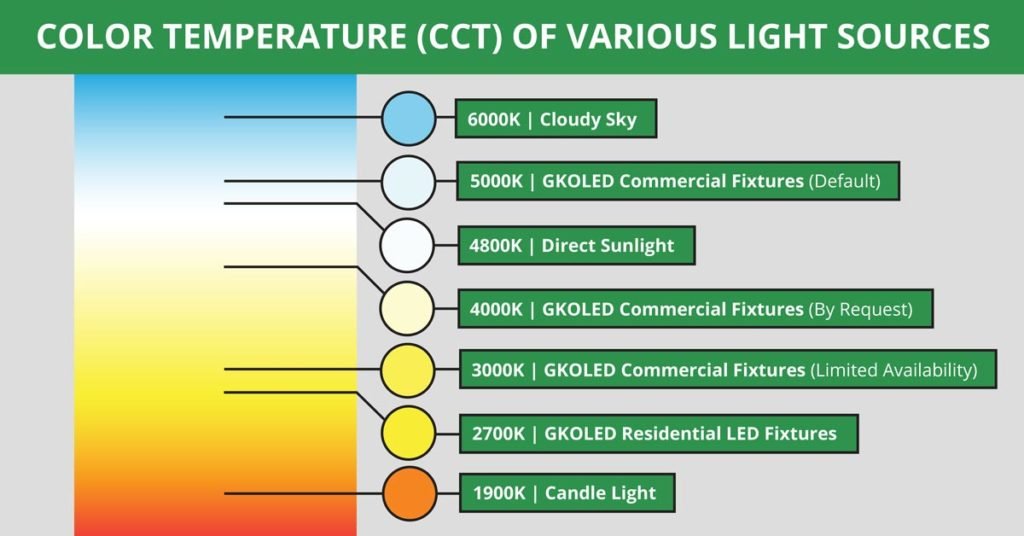
Correlated Color Temperature refers to the color appearance of white light, measured in Kelvin (K). It helps us understand how “warm” (yellow/red tones) or “cool” (blue/white tones) a light appears to the human eye.
Here’s a general guide:
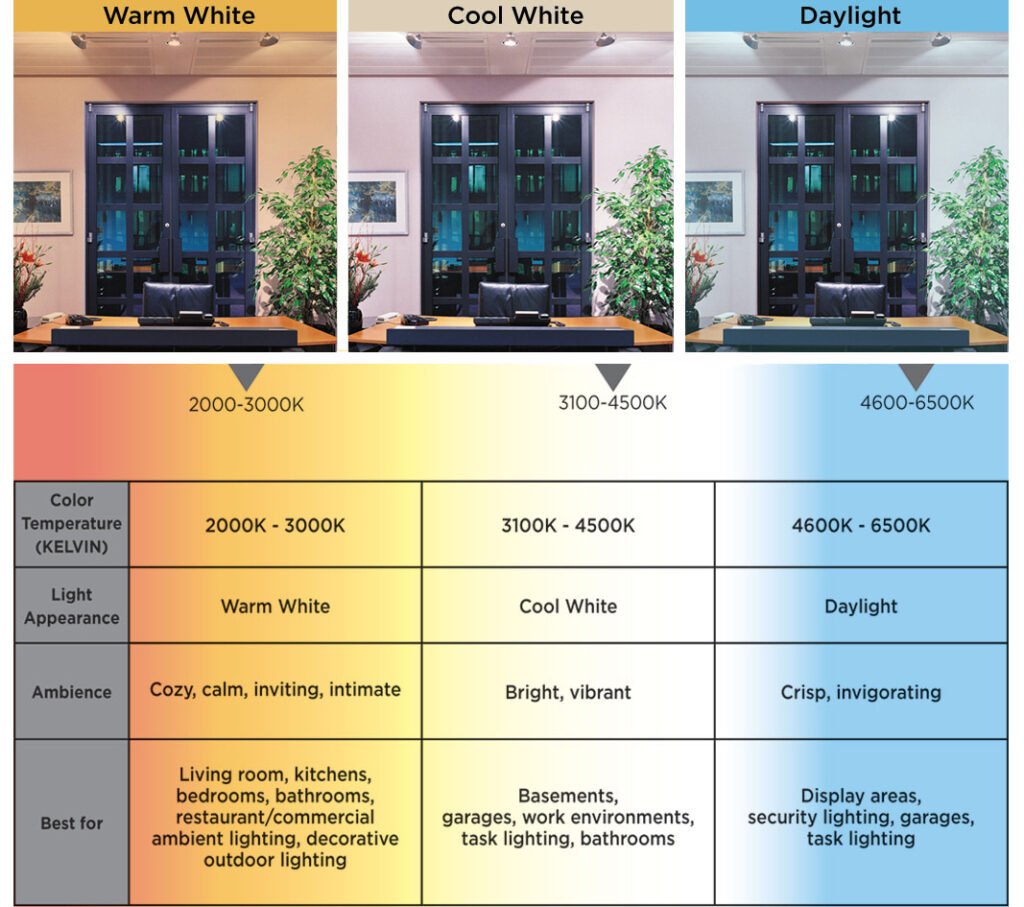
- 2700K–3000K: Warm white (similar to candlelight)
- 3500K–4000K: Neutral white (like late morning daylight)
- 5000K–6500K: Cool white (resembling bright noon sun)
Falcon Electronics and Electrical Industries offers a range of products with specific Correlated Color Temperature options, including tube lights, spotlights, and floodlights — giving users flexibility without needing smart controls.
Why Does Correlated Color Temperature Matter?
1. It Shapes the Ambience
The Correlated Color Temperature you choose determines the “feel” of a room:
- Warm light (2700K–3000K) is perfect for bedrooms and living rooms.
- Cool light (5000K–6500K) is ideal for offices, kitchens, or garages.
For example, if you’re setting up a study room for late-night reading, a Falcon 5000K tube light offers clarity without glare. On the other hand, Falcon’s 2700K ceiling bulb gives the living room a cozy glow for family movie nights.
2. It Affects Mood and Performance
Science tells us that Correlated Color Temperature impacts our biological clock. Cooler lights boost concentration and alertness. That’s why workplaces often use Falcon’s 6500K floodlights — they help employees stay sharp and reduce eye strain.
Warmer tones promote relaxation and better sleep, making Falcon’s 3000K spotlights ideal for bedrooms and nurseries.
3. It Changes Color Perception
Have you tried matching clothes in one room, only to realize they look different in another? That’s due to Correlated Color Temperature. Light affects how colors appear. Warmer lights can dull some colors, while cooler lights enhance detail.
In clothing stores or showrooms, Falcon’s 4000K ceiling lights balance color accuracy and comfort — making them a smart retail choice.
Falcon Lighting Products for Every CCT Need
One of the strengths of Falcon’s product line is its attention to fixed, reliable Correlated Color Temperature across models. Whether you’re shopping for:
- 2700K warm ceiling bulbs
- 4000K neutral tube lights
- 6500K daylight floodlights
Falcon ensures consistency and performance. No need for remote apps or complex systems — just install and enjoy the light that suits your space.
Real-Life Examples by Room

Let’s see how Correlated Color Temperature comes to life in common home settings:
- Living Room: Use Falcon 2700K warm bulbs to create a relaxed vibe for socializing.
- Bathroom: Try Falcon 4000K neutral lights for clarity without being too harsh.
- Kitchen: Falcon’s 5000K daylight tubes help you chop vegetables without eye strain.
- Garage or Studio: Need brightness? Falcon 6500K floodlights offer maximum visibility for tasks.
The ability to choose based on Correlated Color Temperature empowers users to match lighting to mood, purpose, and design — effortlessly.
Find Your Perfect Light with Falcon
Whether you’re reading, relaxing, cooking, or working, Correlated Color Temperature plays a central role in comfort, clarity, and design. With Falcon Electronics’ wide range of fixed-CCT lighting — from spotlights to floodlights — you can create the right lighting for every space in your home or business.
Discover Falcon’s CCT-specific lights today and transform your environment — one Kelvin at a time.
Sources
- Lighting Research Center – Lighting and Health
- Energy.gov – Choosing the Right Light Bulbs
- IESNA – Lighting Handbook
- Falcon Electronics