Designing an effective workspace in 2025 requires more than furniture, technology, or room layout. The foundation of productivity today lies in using a well-engineered Workspace with LED Lighting system that enhances clarity, reduces fatigue, and improves focus throughout the workday. Lighting has become a core element in cognitive performance, mental stability, visual comfort, and overall well-being. For these reasons, modern companies and home-office users increasingly depend on Workspace with LED Lighting to create healthier and more efficient working environments.
The perfect workspace is the one that supports thinking rather than distracting from it. A properly planned Workspace with LED Lighting allows employees to read, write, code, create, and collaborate with fewer mistakes and less visual stress. In 2025, lighting is no longer an accessory—it is a productivity engine.
Why Workspace with LED Lighting Matters in 2025
1. Improving Visual Performance
Visual clarity is the first requirement for productive work. A Workspace with LED Lighting provides stable brightness without flicker, ensuring that documents, screens, and fine details remain sharp. High-quality LED illumination helps reduce reading errors, enhances text contrast, and makes prolonged computer work more comfortable.
Studies in 2025 show that offices using Workspace with LED Lighting experienced up to 30% fewer visual mistakes. The reason is simple: the system distributes light evenly, prevents harsh shadows, and maintains a consistent level of brightness across the work surface.
2. Reducing Eye Strain and Long-Term Fatigue
Eye strain is one of the biggest problems in modern work culture. Poor illumination forces the eyes to work harder, especially during screen-heavy tasks. A professionally designed Workspace with LED Lighting reduces glare, prevents over-illumination, and maintains comfortable brightness.
Employees who work under a proper Workspace with LED Lighting report:
- fewer headaches
- better screen tolerance
- improved focus
- reduced neck tension
- less blinking and dryness
LED panels, task lights, and indirect lighting all contribute to a healthier environment.
3. Supporting Mental Focus and Cognitive Stability
Light directly affects the brain and body.
Cool white tones increase alertness, neutral tones stabilize attention, and warm tones reduce anxiety. With a flexible Workspace with LED Lighting, workers can adjust light temperature and brightness according to the task.
Creative tasks may require warm light.
Technical tasks need cool-white LED light.
Meetings benefit from neutral tones.
A smart Workspace with LED Lighting adapts to each requirement.
4. Lowering Energy Consumption
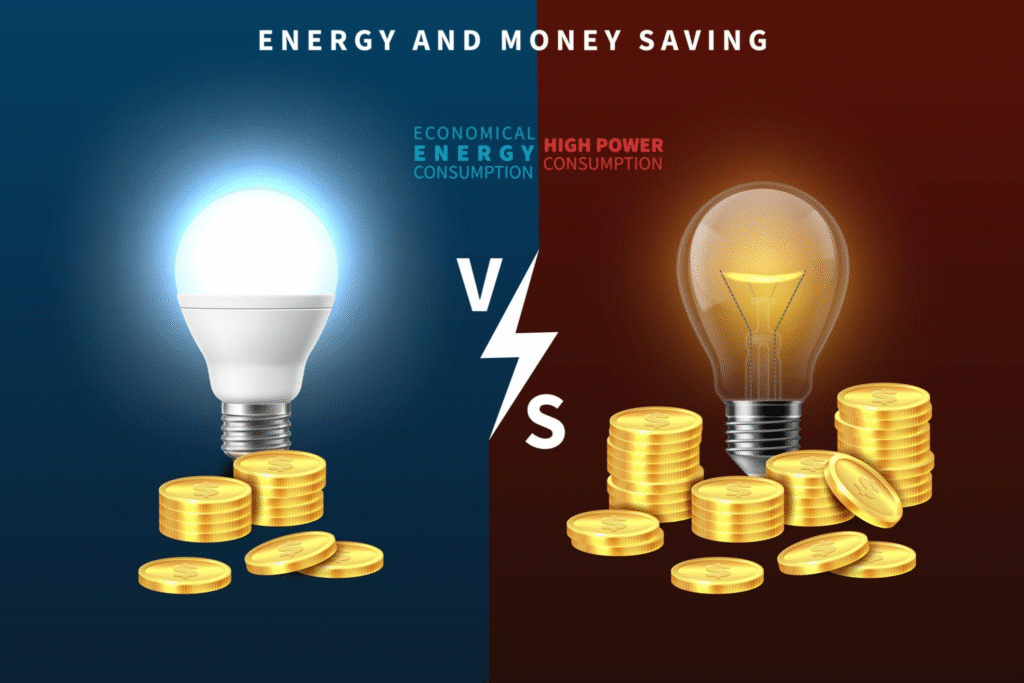
In large offices, switching to Workspace with LED Lighting can reduce energy usage by 50–60%. LED systems last longer, generate less heat, and require fewer replacements. This makes them ideal for both small home offices and large corporate spaces.
Key Elements of an Effective Workspace with LED Lighting
1. Ambient Lighting
Ambient light forms the foundation of a Workspace with LED Lighting. It should be soft, evenly distributed, and free from harsh hotspots. Proper ambient lighting reduces background shadows and keeps the room visually stable.
2. Task Lighting
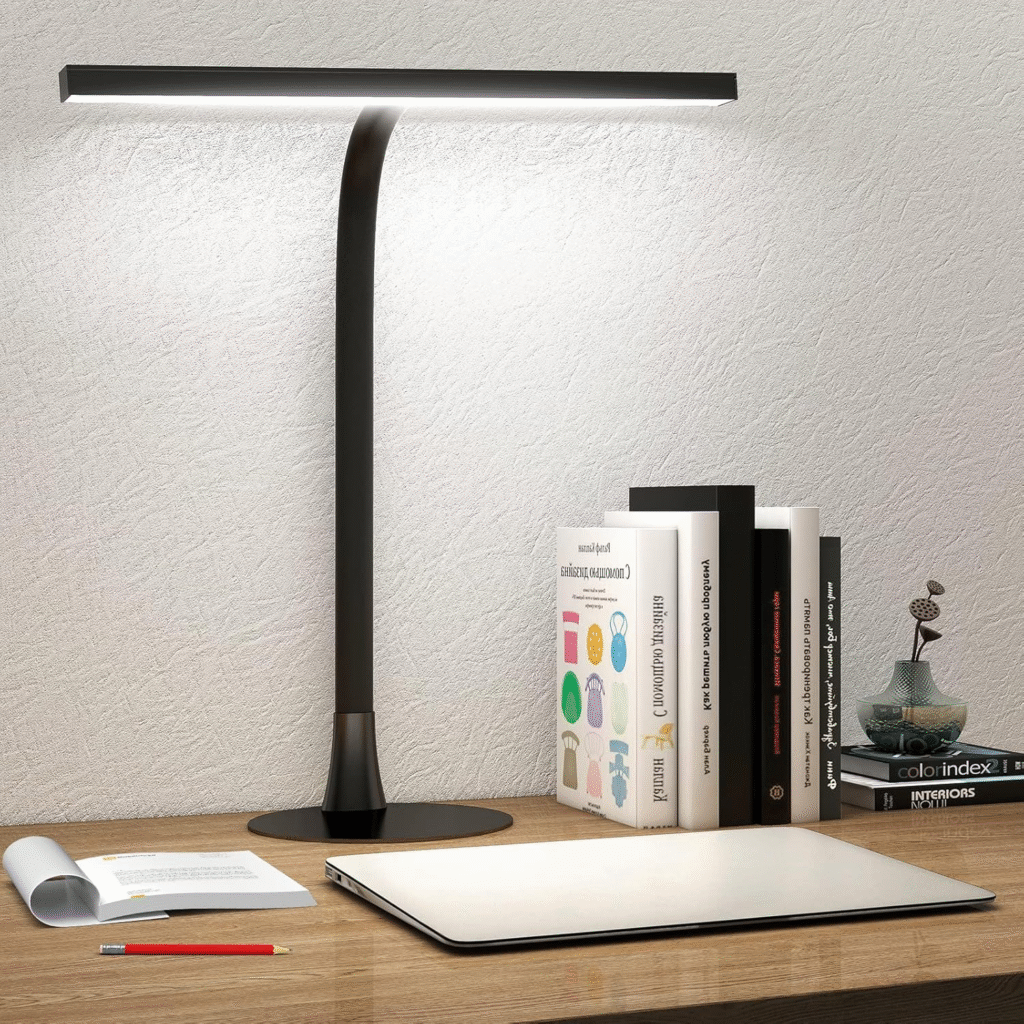
Task lighting focuses directly on specific work zones.
Placing LED task lamps or under-cabinet LED lights ensures that detailed tasks receive targeted illumination. A Workspace with LED Lighting always includes task lighting to support reading, drawing, planning, or writing activities.
3. Accent Lighting
Accent lighting enhances workspace structure and highlights important zones, such as presentation boards, bookshelves, or collaborative areas. A Workspace with LED Lighting includes accent beams that guide the eye naturally without causing distraction.
4. Natural Light Integration
The ideal environment blends sunlight with Workspace with LED Lighting. LED systems compensate when daylight shifts, maintaining a stable environment throughout the day. This supports the human biological clock and prevents the afternoon slump.
Technical Standards Defining Workspace with LED Lighting
1. Color Temperature (CCT)
Color temperature affects mood and clarity:
- 5000K – Best for analytical and technical work
- 4000K – Ideal for general office tasks
- 3000–3500K – Suitable for lounges and meeting areas
Mixing these levels inside a Workspace with LED Lighting creates a dynamic and flexible work setting.
2. Color Rendering Index (CRI)
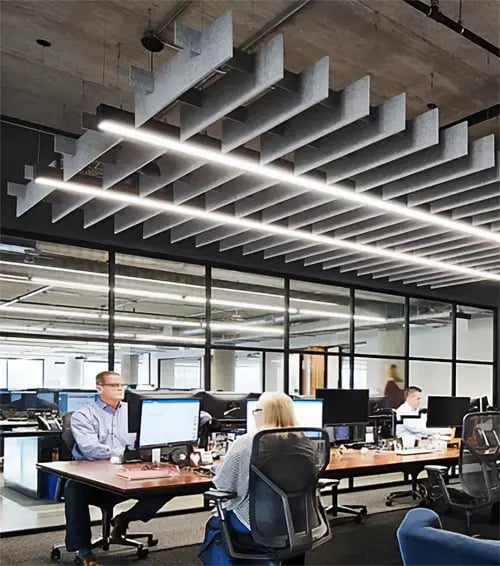
A CRI of 90+ is recommended for accurate color representation.
Design studios, engineers, and architects depend on a Work space with LED Lighting that ensures charts, models, and printed materials appear with correct colors.
3. Lux Levels
Lighting intensity varies by task:
| Task Type | Recommended Lux |
|---|---|
| General office work | 300–500 lux |
| Detailed technical work | 500–750 lux |
| Precision design tasks | 750–1200 lux |
A Workspace with LED Lighting must match Lux level to task type for optimal comfort.
4. Anti-Glare and Flicker-Free Technology
Glare reduction is essential.
A proper Work space with LED Lighting uses diffusers, micro-prismatic lenses, and deep reflectors to prevent reflections on monitors and shiny surfaces.
Flicker-free LEDs protect the eyes and reduce neurological stress.
How Workspace with LED Lighting Enhances Different Work Settings
1. Open Offices
Open offices suffer from noise, movement, and distraction.
Using a balanced Work space with LED Lighting creates visual consistency and helps workers stay focused despite surrounding activity.
2. Private Offices
Private workspaces require adaptable lighting.
Professionals working in enclosed spaces benefit from a Work space with LED Lighting that supports both deep-focus tasks and relaxed meetings.
3. Creative Studios
Designers rely on accurate color and precise shadows.
A Workspace with LED Lighting equipped with high CRI, strong Lux levels, and adjustable tones provides a perfect creative environment.
4. Home Offices
Remote work is now essential.
A compact Workspace with LED Lighting improves video call quality, increases concentration, and helps separate work from home distractions.
Common Mistakes to Avoid in Workspace with LED Lighting
- Using overly bright fixtures
- Mixing unrelated color temperatures
- Installing lights directly above screens
- Creating dark corners
- Ignoring wall reflection behavior
- Not adjusting lighting based on time of day
Fixing these issues dramatically improves the Work space with LED Lighting experience.
Steps to Build the Ideal Workspace with LED Lighting
- Analyze the type of work performed
- Divide the room into lighting zones
- Select proper CCT values
- Match Lux levels with task requirements
- Combine ambient + task + accent lighting
- Avoid downward beams on screens
- Test lighting during real usage
- Adjust intensity throughout the day
This structured approach ensures a perfect Workspace with LED Lighting setup.
Future Trends for Workspace with LED Lighting in 2025
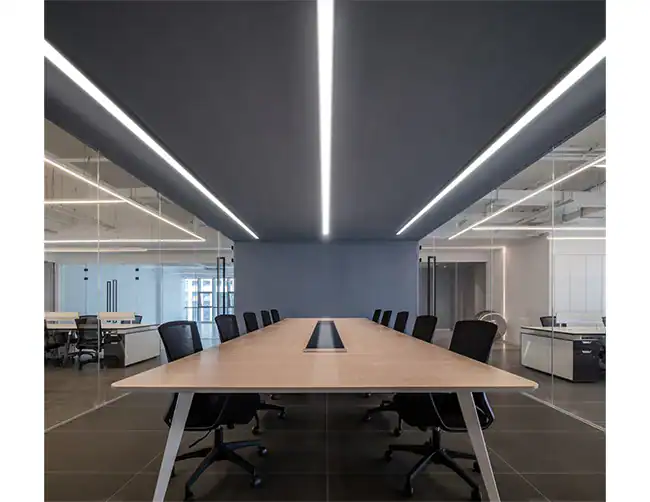
1. Smart LED Systems
Lights adjust automatically based on time, brightness, and occupancy.
2. Human-Centric Lighting
LED color temperature shifts across the day to support natural circadian rhythm.
3. Modular LED Panels
Easily relocatable panels ideal for flexible offices.
All trends point to one direction: expanding the potential of LED Lighting in WorkSpace .
Conclusion
A successful workday begins with the right environment.
In 2025, a WorkSpace With LED lighting is essential for clarity, focus, well-being, and long-term productivity. When lighting supports the mind instead of fighting it, people think better, feel better, and perform better.
Suggested Topics:
- Enhancing Product Visibility with LED Showroom Lighting
- Optimizing Classroom Lighting for Focus & Performance 2025
- What Is Dimming Light Technology and Why Should Every Home Have It ?