Lighting Choices That Shape Your Space
When it comes to creating the right atmosphere in homes, offices, or hospitals, lighting plays a much bigger role than most people think. The debate of Dimmers vs Traditional Switches is not only about turning lights on and off—it’s about efficiency, comfort, mood, and even energy bills. Choosing between these two options can transform how people experience their space, whether it’s relaxing at home, staying focused at work, or providing comfort in healthcare environments.
Understanding Traditional Switches: The Classic Option
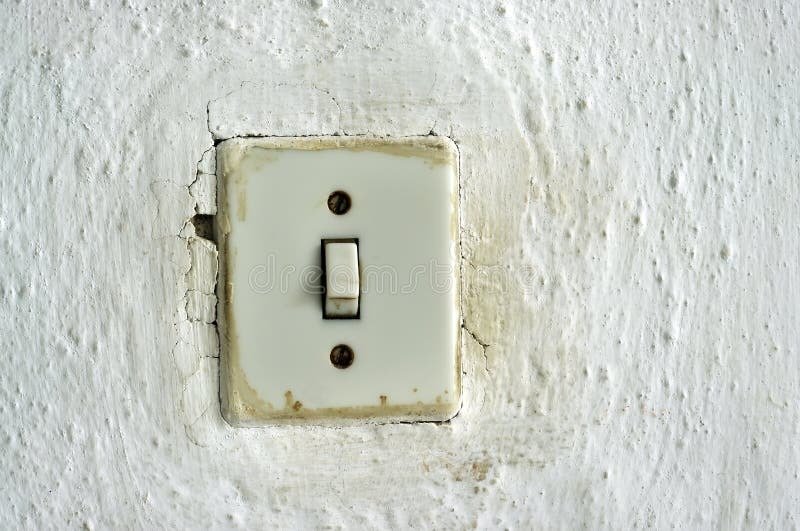
For decades, traditional switches have been the standard choice. They are simple, affordable, and easy to use, making them common in almost every building worldwide.
Advantages of Traditional Switches:
- Low cost and wide availability
- Simple installation and maintenance
- Immediate response when turning lights on or off
Disadvantages of Traditional Switches:
- Lack of flexibility—only two modes: on or off
- Higher energy usage compared to dimmers
- Limited ability to influence mood or comfort
- No compatibility with advanced smart systems
While they are functional, the limited performance of traditional switches makes them less effective in modern environments that demand more control and efficiency.
The Rise of Dimmers: A Smarter Approach to Lighting
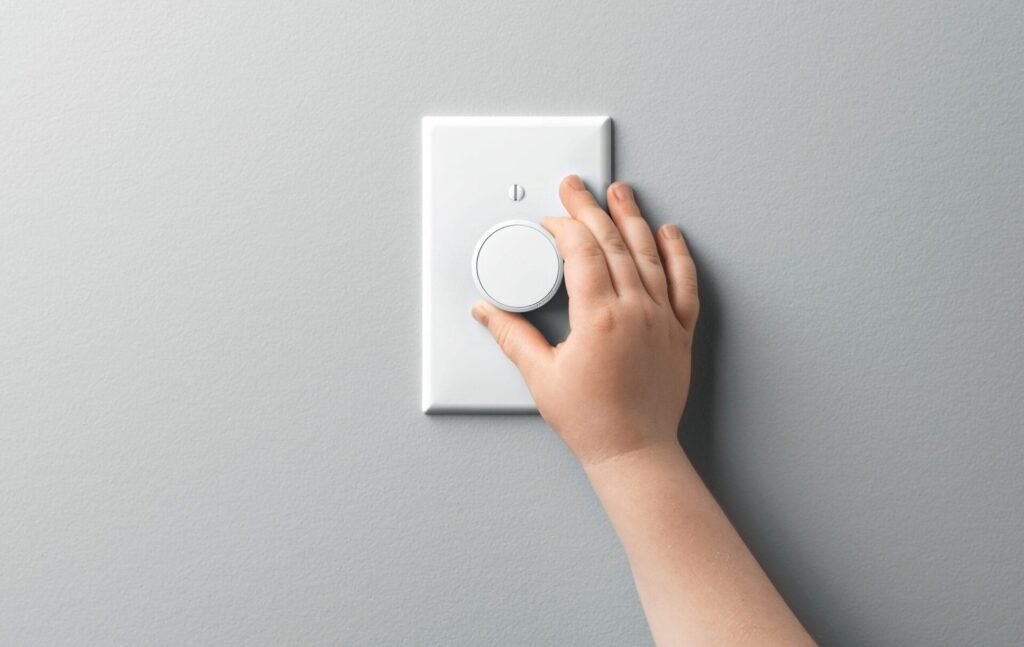
In the debate of Dimmers vs Traditional Switches, dimmers clearly stand out as the modern solution. A dimmer allows users to adjust light intensity based on needs, activities, or moods. This flexibility not only creates a better atmosphere but also leads to measurable savings.
Benefits of Dimmers:
- Energy efficiency: By lowering brightness, dimmers reduce power consumption by up to 40%.
- Enhanced comfort: Softer lighting reduces eye strain and improves relaxation.
- Extended bulb life: Lower light levels mean less stress on bulbs, leading to longer usage.
- Versatile settings: Perfect for offices, homes, or hospitals where lighting needs vary.
- Smart integration: Dimmers easily connect with modern automation systems for better control.
Dimmers vs Traditional Switches: Key Comparisons
To highlight the real difference in Dimmers vs Traditional Switches, let’s look at performance, comfort, and efficiency.
| Feature | Dimmers | Traditional Switches |
|---|---|---|
| Performance | Smooth light control and adjustment | Only on/off options |
| Efficiency | Save up to 40% energy | Consume full power always |
| User Experience | Personalized environments, reduced strain | Limited comfort, fixed lighting |
| Sustainability | Eco-friendly, extends bulb lifespan | Higher energy waste |
| Smart Use | Compatible with modern automation | Not compatible |
It’s clear that when comparing Dimmers vs Traditional Switches, dimmers provide far greater long-term benefits.
Real-Life Applications of Dimmers

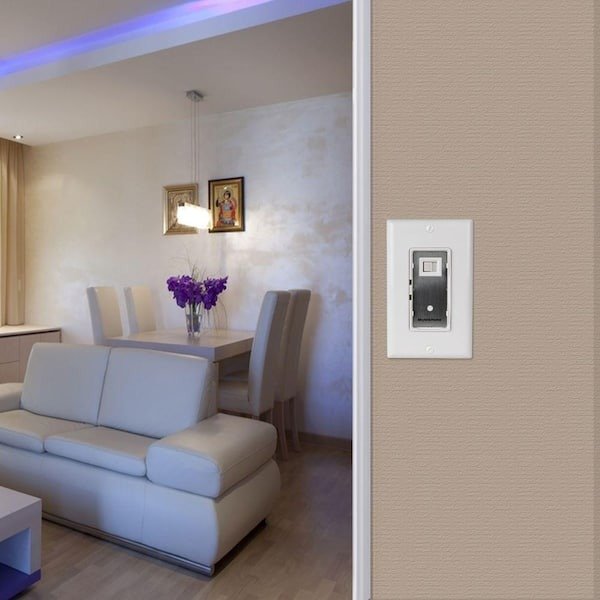

- In Homes: Create cozy living rooms, romantic dining areas, and calm bedrooms with adjustable lighting.
- In Offices: Boost productivity by adjusting brightness to reduce eye fatigue.
- In Hospitals: Support patient comfort and recovery with gentle lighting during nighttime.
- In Hospitality: Restaurants and hotels use dimmers to elevate customer experience and save on energy bills.
Transform Your Lighting Experience with Falcon Solutions
If you’re ready to move beyond outdated switches, Falcon Group provides advanced dimmer systems designed for performance, comfort, and efficiency. Whether for homes, businesses, or healthcare spaces, Falcon delivers lighting solutions that improve productivity, reduce costs, and create healthier environments.
📞 Phone: 01001458515
🌐 Website: falcontgroup.com
FAQs About Dimmers vs Traditional Switches
1. Do dimmers save money?
Yes, dimmers reduce electricity consumption by adjusting brightness, lowering your energy bills over time.
2. Can dimmers be installed on existing fixtures?
Absolutely. Most modern dimmers are compatible with existing wiring and LED systems.
3. Are dimmers suitable for hospitals and offices?
Yes, dimmers are ideal for environments that need adaptable lighting, promoting comfort and focus.
4. Which is better in the long run: Dimmers vs Traditional Switches?
Dimmers win in performance, efficiency, and comfort, making them the superior long-term investment.
Sources
- ScienceDirect – Impact of Lighting on Human Comfort
- Energy.gov – LED and Lighting Controls
- ScienceDirect – Impact of Lighting on Human Comfort