💡 Understanding Dimming Light Technology
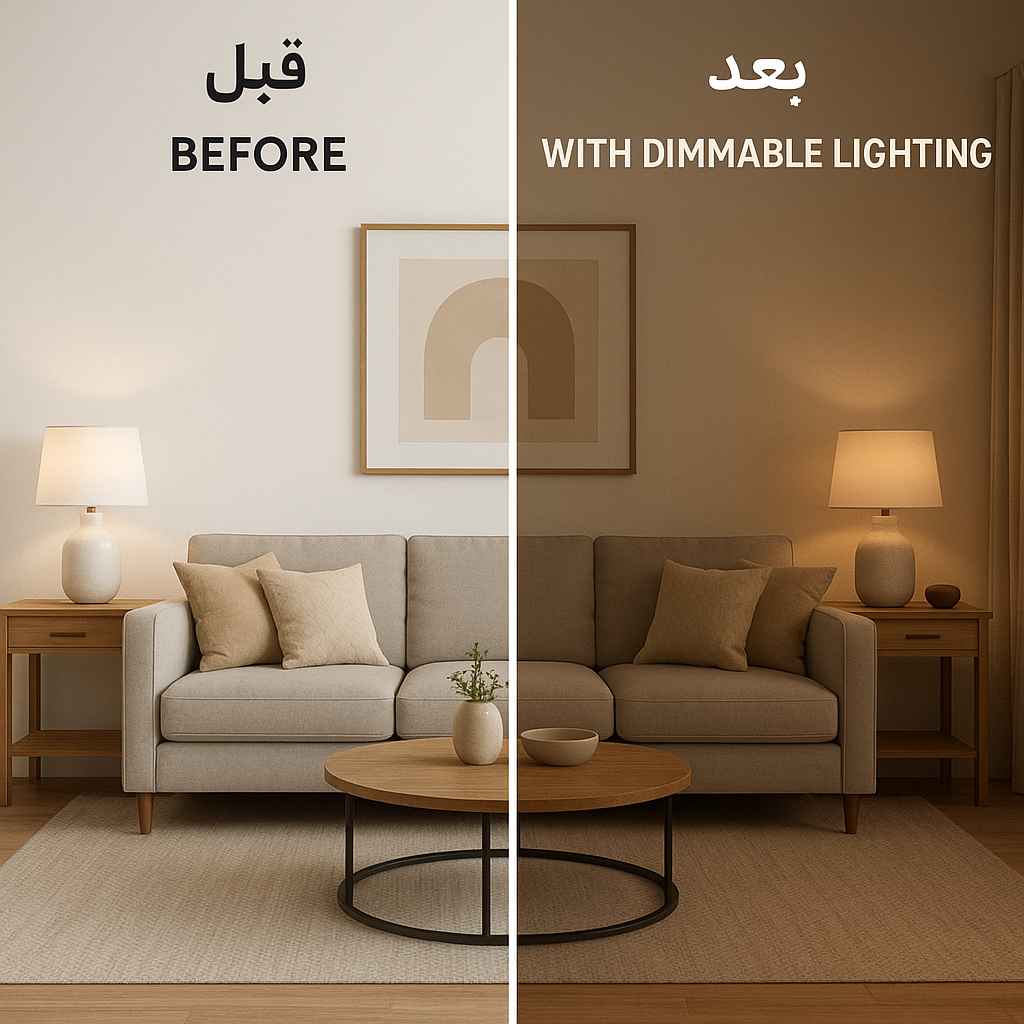
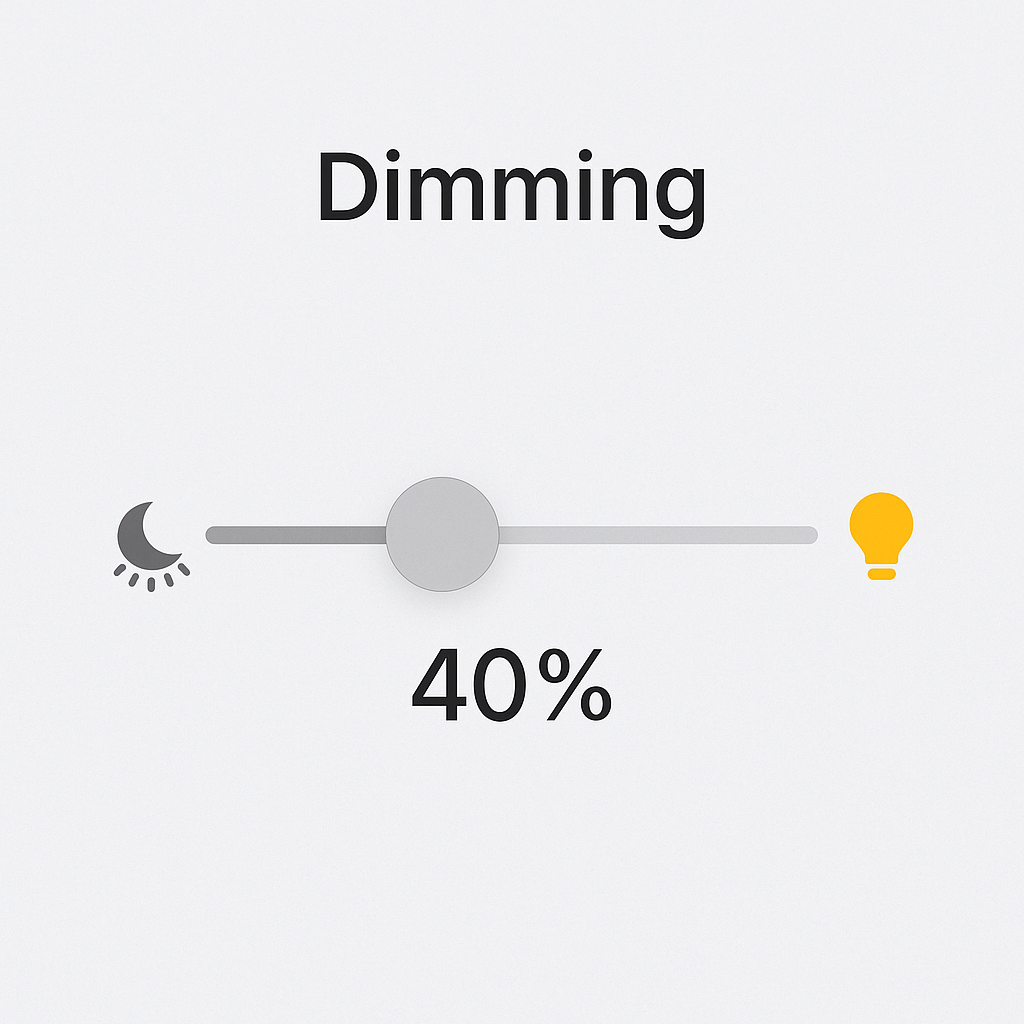
Dimming light technology allows users to adjust light brightness according to mood, time, or purpose. Unlike basic on/off switches, this system gives you full control over lighting intensity, creating personalized experiences for every room.
With smart dimmers or integrated lighting systems, homeowners can effortlessly create the perfect atmosphere—be it for relaxation, focus, or entertainment.
⚙️ How Dimming Light Technology Works
Types of Dimmers
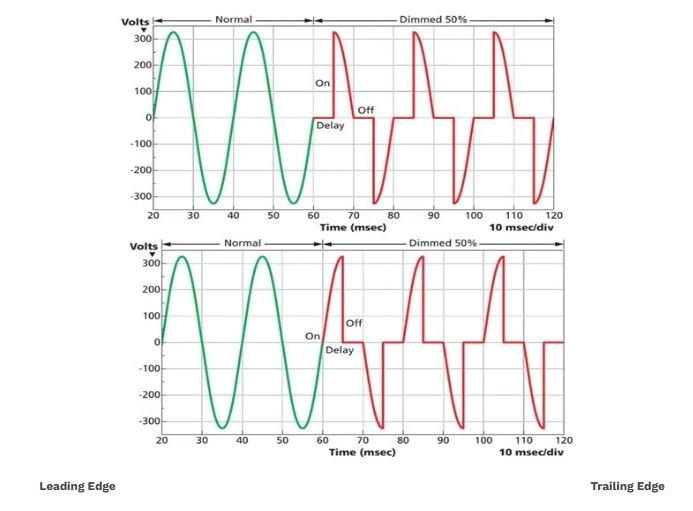
- Leading-edge dimmers – Best for traditional incandescent or halogen bulbs.
- Trailing-edge dimmers – Optimized for LED lighting with smoother performance.
- Smart dimmers – Connected via Wi-Fi or Zigbee and controlled through apps or voice commands.
To use dimming light technology, you’ll need dimmable bulbs and compatible dimmer switches. Modern LED systems often feature built-in dimming support, making installation even easier.
6 Key Benefits of Dimming Light Technology
1. Save Energy and Lower Costs
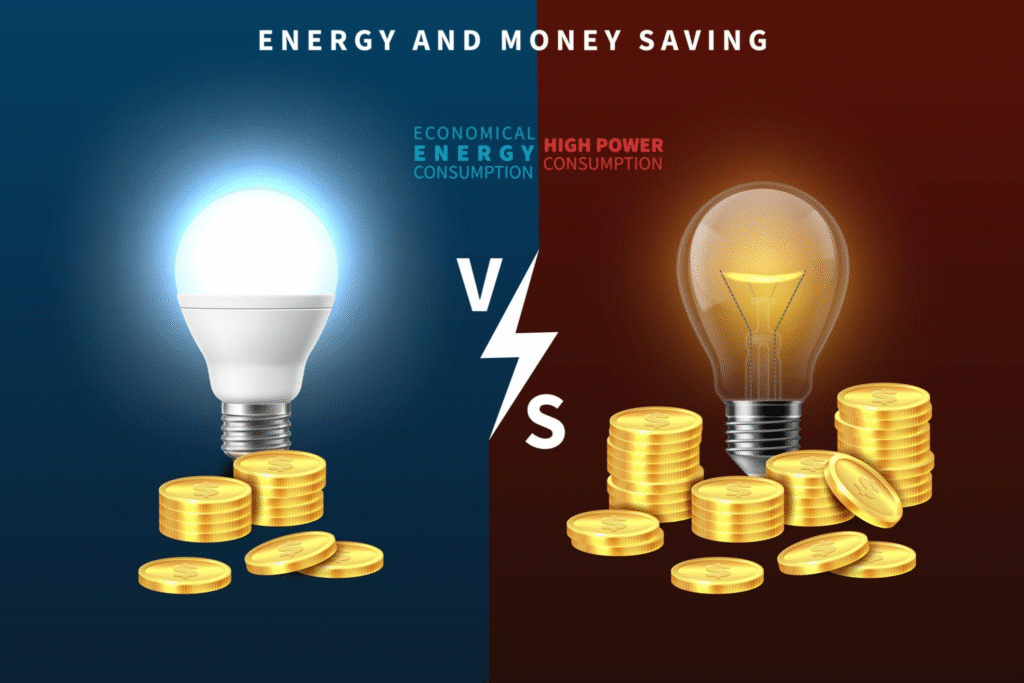
Dimming your lights means less electricity usage. Running lights at 50% brightness can cut energy consumption by more than half, reduce greenhouse gas emissions, lower your carbon footprint, and extend the lifespan of lighting infrastructure—making it an environmentally responsible and cost-effective solution for both modern and traditional households alike.
2. Create the Perfect Ambience
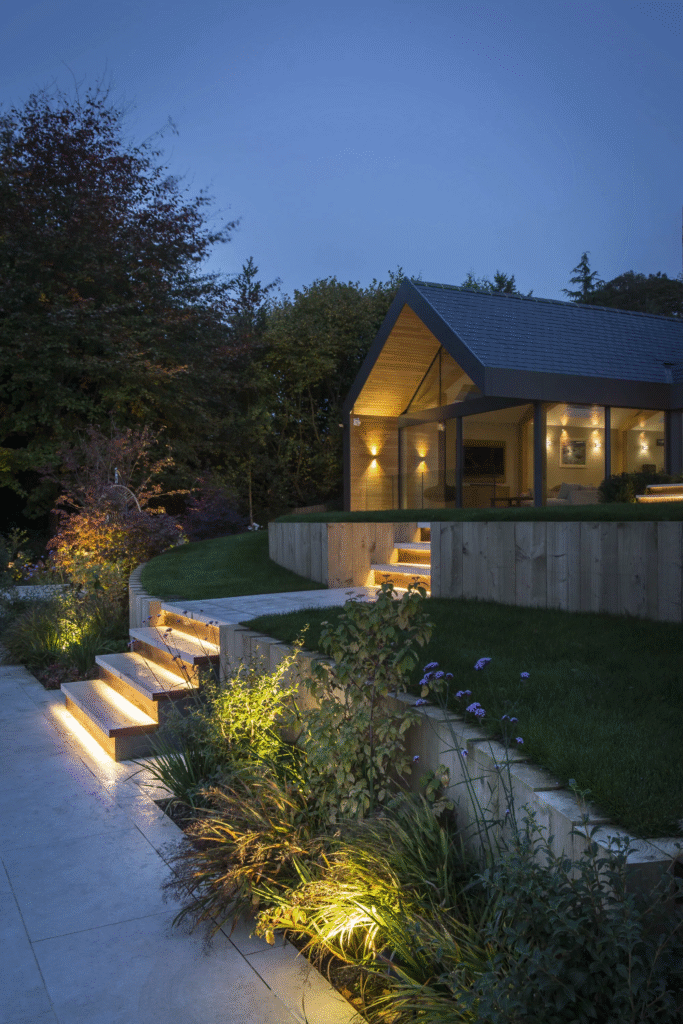
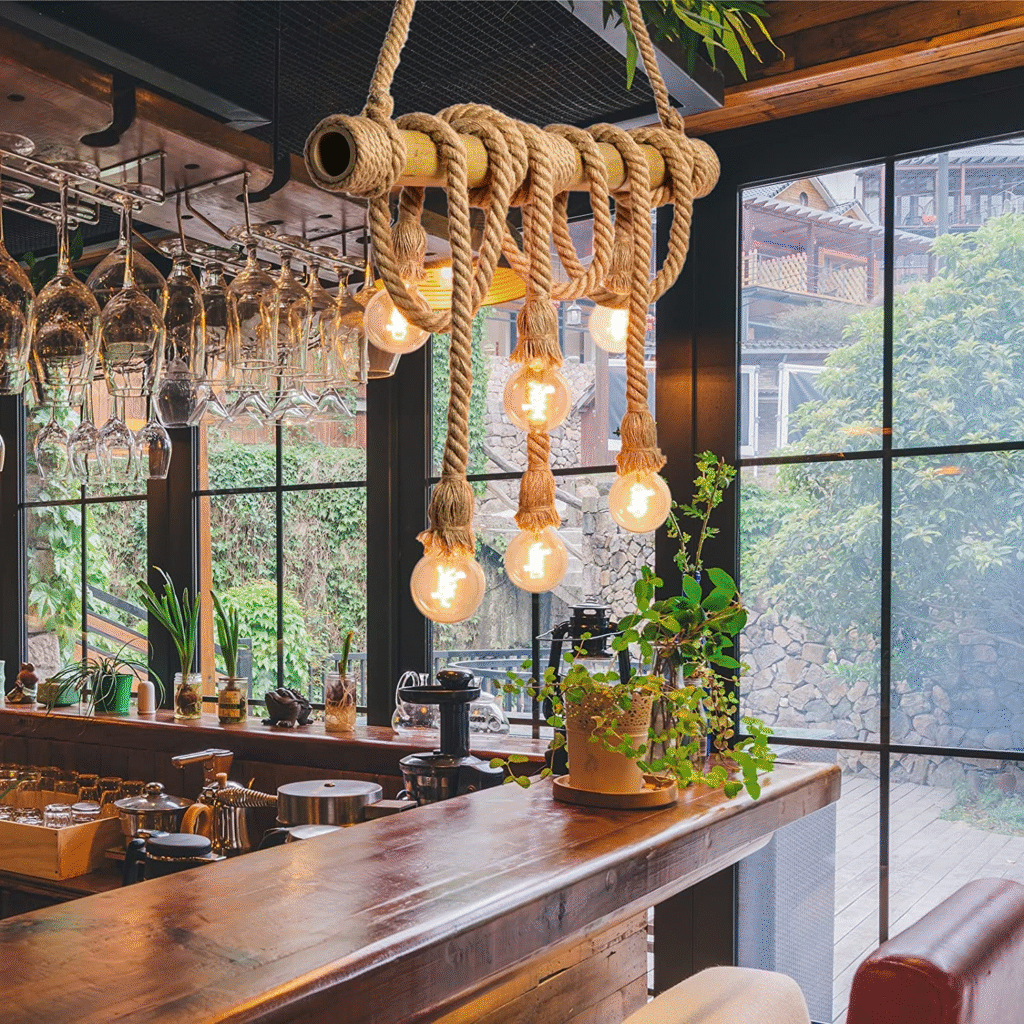
Adapt lighting for any occasion—soft lighting for movie night or full brightness for cleaning—at the touch of a button or voice command, using mobile apps, smart home assistants, or automated schedules to instantly create the right atmosphere, improve energy efficiency, and enhance your everyday living experience with ease.
3. Support Health and Well-Being
Lighting impacts your circadian rhythm. Dimming light technology mimics natural daylight, improving sleep quality, mental clarity, emotional balance, focus during the day, and overall wellness by supporting your body’s natural biological clock and reducing exposure to harsh artificial light at night.
4. Extend the Lifespan of Your Bulbs
Dimming reduces stress on light sources, especially LEDs, leading to longer-lasting performance and fewer replacements, which means less maintenance, lower costs, and improved overall sustainability for your home’s lighting system over time.
5. Seamless Smart Home Integration
Accent furniture, artwork, architectural features, and textures with tailored lighting scenes. Dimming enhances both form and function in your home, creating inviting spaces, improving visual comfort, and offering complete lighting flexibility for any occasion or task. Whether you’re hosting a dinner party, reading, or relaxing, dimming light technology gives you full control to match every moment with perfect lighting.
6. Enhance Interior Design and Functionality
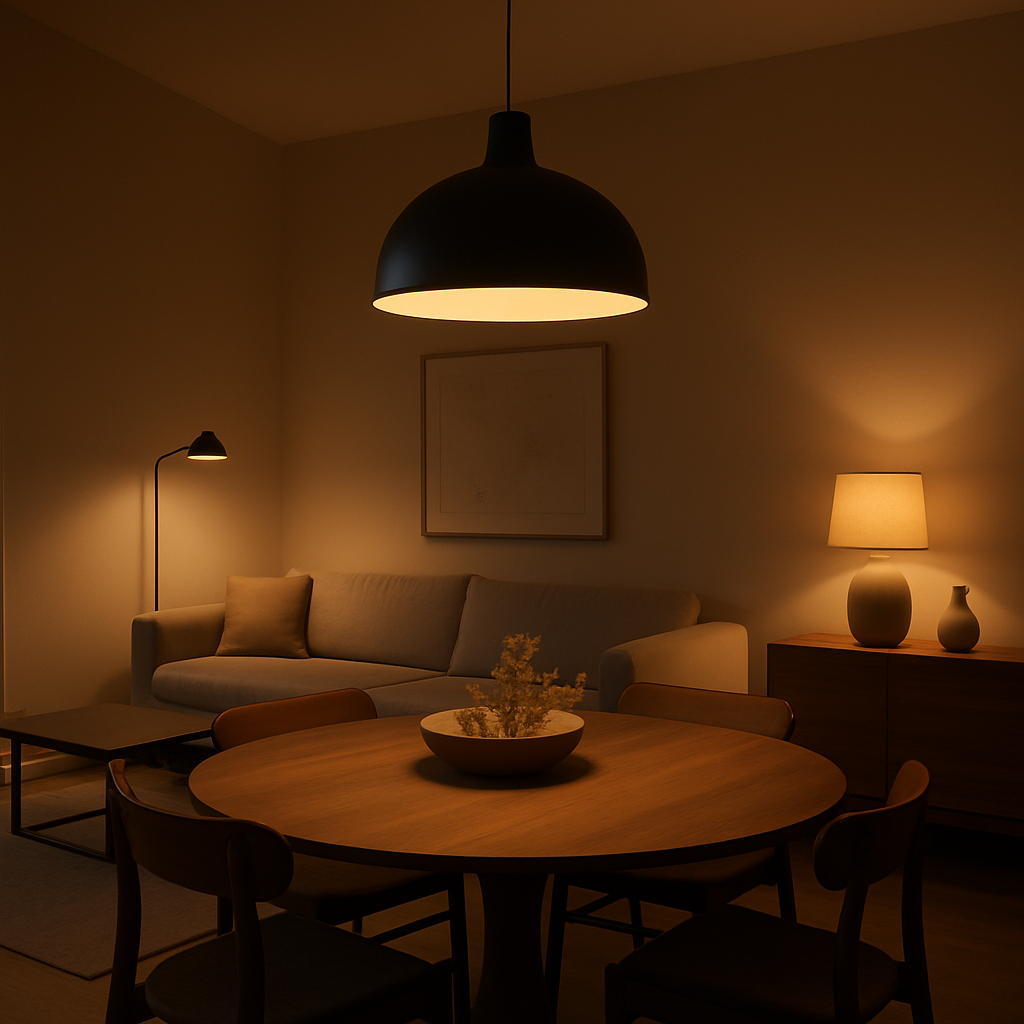
Accent furniture, artwork, architectural features, and textures with tailored lighting scenes. Dimming enhances both form and function in your home, creating inviting spaces, improving visual comfort, and offering complete lighting flexibility for any occasion.
🚀 Transform Your Home with Falcon’s Dimming Solutions
Want to bring smart, energy-efficient control into your home? Falcon’s advanced dimming solutions offer:
- Sleek, modern design
- Compatibility with LED systems
- Smart home readiness
👉 Get in touch with our lighting experts and discover the ideal dimming light technology setup for your home.
❓ Frequently Asked Questions
Do all bulbs work with dimmers?
No. Only use bulbs marked “dimmable.” Falcon recommends premium LED dimmable bulbs for optimal performance.
Can dimming lights really save money?
Yes. Reducing brightness cuts down on electricity use and extends bulb lifespan, both of which save money over time.
Are dimmers hard to install?
Basic ones are easy to install. Smart dimmers may need some setup, but many are plug-and-play.
Why do some LEDs flicker when dimmed?
Flickering is often due to incompatibility. Using Falcon-approved dimmers and bulbs solves this issue.
Can I dim my lights with my phone?
A: Absolutely. Smart dimmers can be controlled via mobile apps, smart assistants, and scheduled routines.
Sources
- U.S. Department of Energy – Lighting Choices
- Falcon Electronic & Electrical Industries
- IEEE Journal on Energy-Efficient Lighting