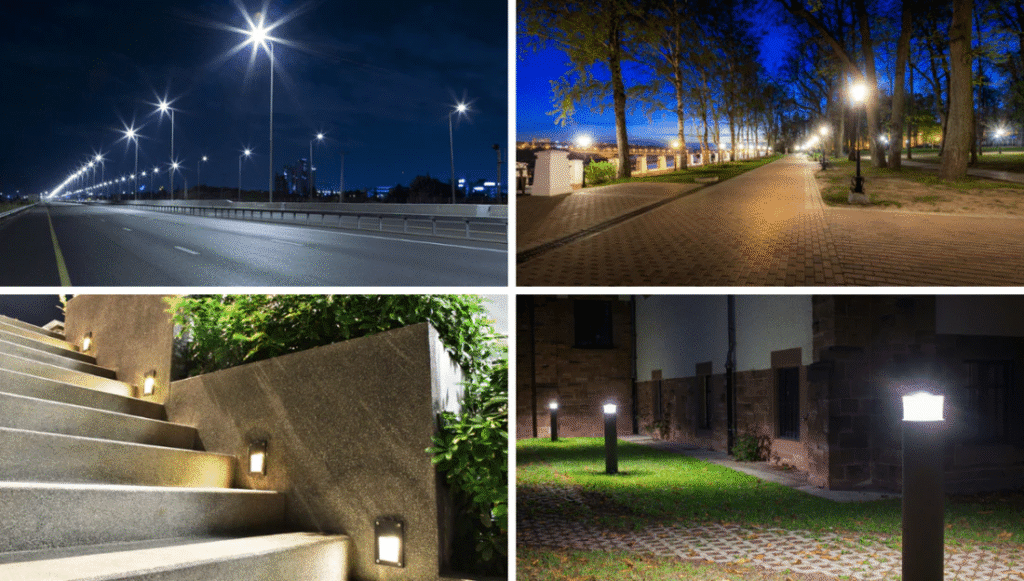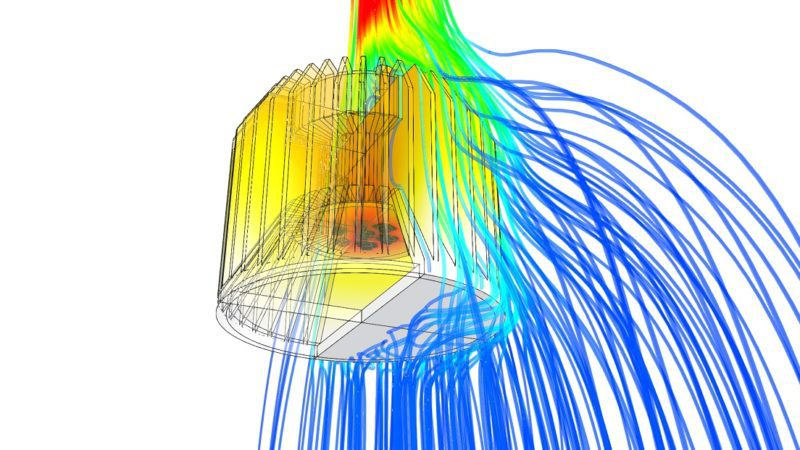
The Effect of Heat on LED Lifespan is the key factor that determines whether an LED fixture operates for 50,000 hours or fails much earlier.
Although LEDs are highly efficient, they are semiconductor devices that are very sensitive to temperature.
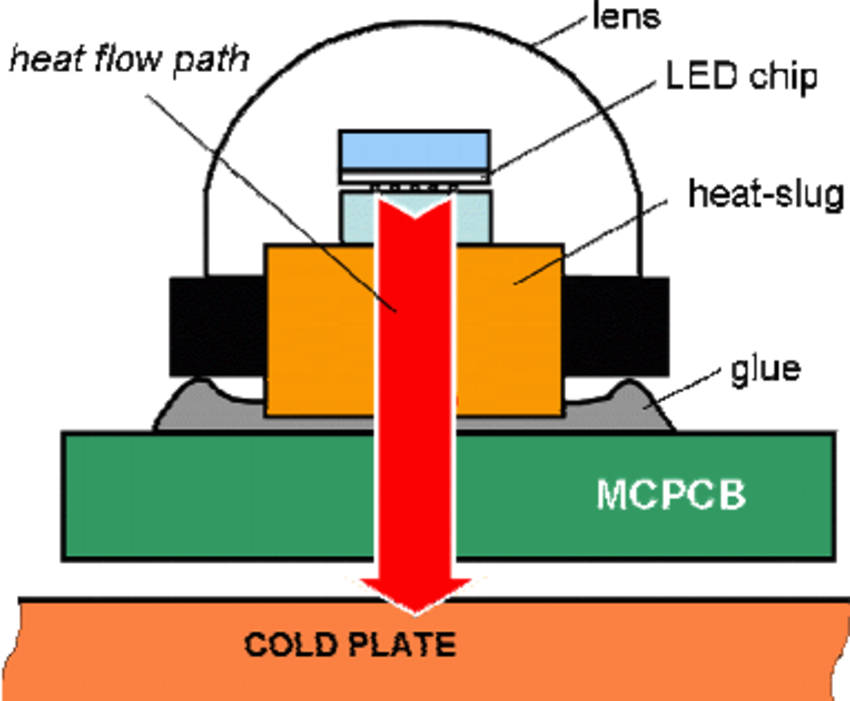
Excess heat directly affects the LED chip, the driver circuit, and light stability.
If thermal management is poor, lifetime drops significantly.
Understanding the Effect of Heat on LED Lifespan allows you to make sound engineering decisions when selecting lighting systems.
Why the Effect of Heat on LED Lifespan Matters in 2025
Modern projects require:
- Long operational life
- Low maintenance costs
- Stable light output
- High energy efficiency
When junction temperature increases:
- Luminous output decreases
- Color shift appears
- Driver components degrade
- Overall lifespan shortens
An increase of just 10°C can reduce LED lifetime by up to 50%.
This clearly shows the importance of managing the Effect of Heat on LED Lifespan, especially in hot environments.
The Engineering Explanation of the Effect of Heat on LED Lifespan
LED lifetime is directly linked to junction temperature TjT_jTj: Tj=Ta+(Rθ×Pd)T_j = T_a + (R_{\theta} \times P_d)Tj=Ta+(Rθ×Pd)
Where:
- TjT_jTj = Junction temperature
- TaT_aTa = Ambient temperature
- RθR_{\theta}Rθ = Thermal resistance
- PdP_dPd = Power dissipation
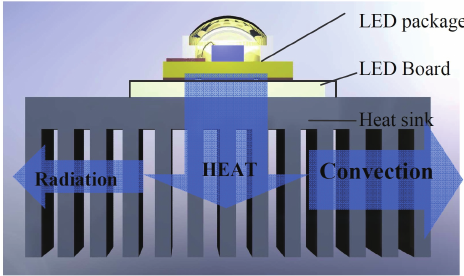
As ambient temperature rises or thermal resistance increases, junction temperature increases.
At higher junction temperatures, material degradation accelerates, which amplifies the Effect of Heat on LED Lifespan.
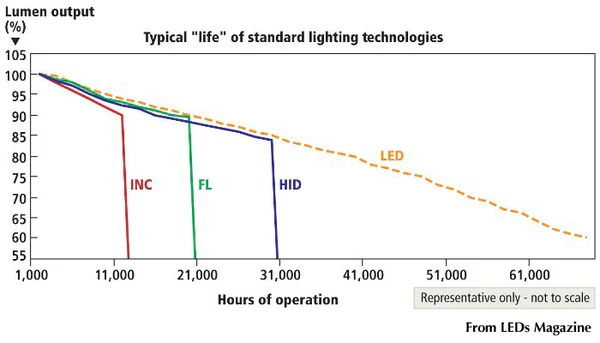
Lumen Depreciation Caused by Heat
LEDs usually do not fail suddenly.
They gradually lose brightness.
Lifetime is often defined using L70:
- L70 means light output drops to 70% of its initial value.
| Junction Temperature | Estimated Lifespan |
|---|---|
| 60°C | 50,000+ hours |
| 80°C | ~30,000 hours |
| 100°C | <15,000 hours |
The table clearly shows how temperature increases the Effect of Heat on LED Lifespan.
Heat Impact on LED Drivers
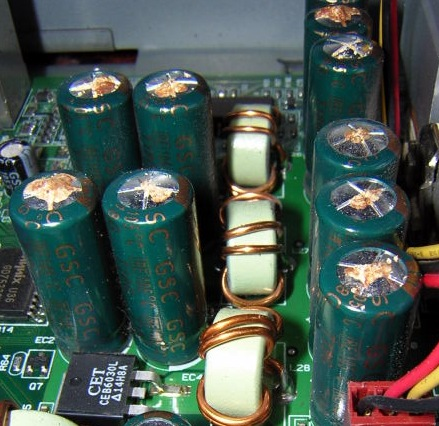
The driver contains sensitive components such as:
- Capacitors
- Transistors
- Control circuits
A common rule:
For every 10°C increase above rated temperature, capacitor life is reduced by approximately 50%.
In hot climates, the driver may fail before the LED chip itself.
Project Examples and Proper Temperature Selection
Air-Conditioned Office Project
- Ambient temperature: 22–26°C
- Operation: 8 hours per day
Recommended selection:
LED panels rated up to +45°C.
Busy Shopping Mall
- Indoor temperature up to 30°C
- Operation up to 16 hours daily
- Closed ceiling
Recommended selection:
Downlights rated up to +50°C with strong heat sinks.
Non-Air-Conditioned Factory

- Ambient temperature up to 45°C
- 24-hour operation
Recommended selection:
Industrial fixtures rated up to +60°C.
This scenario clearly demonstrates the Effect of Heat on LED Lifespan when the wrong product is selected.
Warehouses with Limited Ventilation
- Summer temperature around 40°C
- Poor airflow
Recommended selection:
Industrial flood lights rated up to +55°C.
Street Lighting in Desert Areas
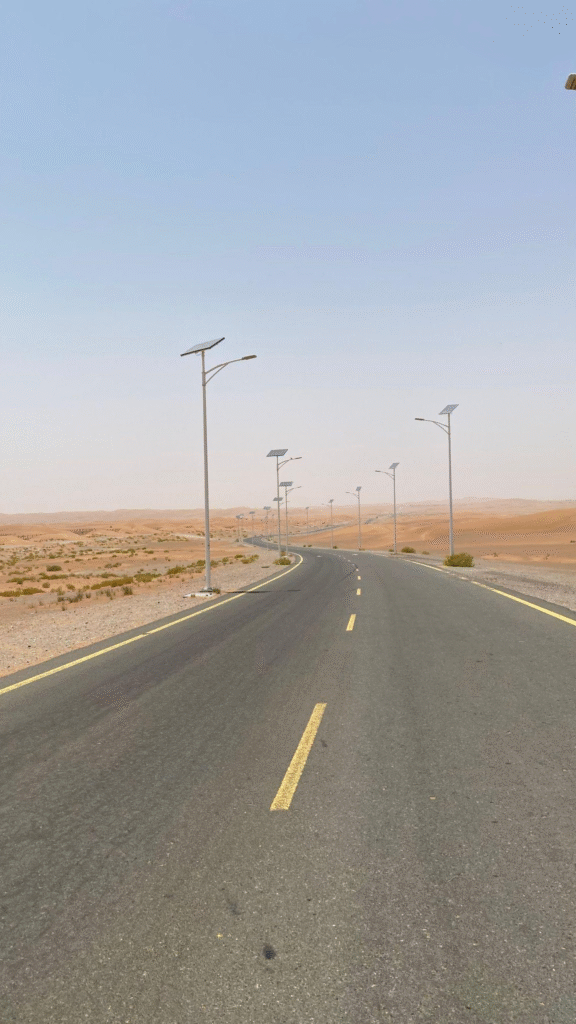
- Ambient temperature up to 50°C
- Direct sun exposure
Recommended selection:
Street lighting fixtures rated up to +60°C with high-conductivity aluminum housing.
Falcon Product Operating Temperature Ranges
Falcon lighting solutions are engineered with different operating ranges:
- Indoor LED Panels: -10°C to +45°C
- LED Downlights: -10°C to +50°C
- Outdoor Flood Lights: -20°C to +55°C
- Street Lighting: -30°C to +60°C
This variety helps reduce the Effect of Heat on LED Lifespan based on project requirements.
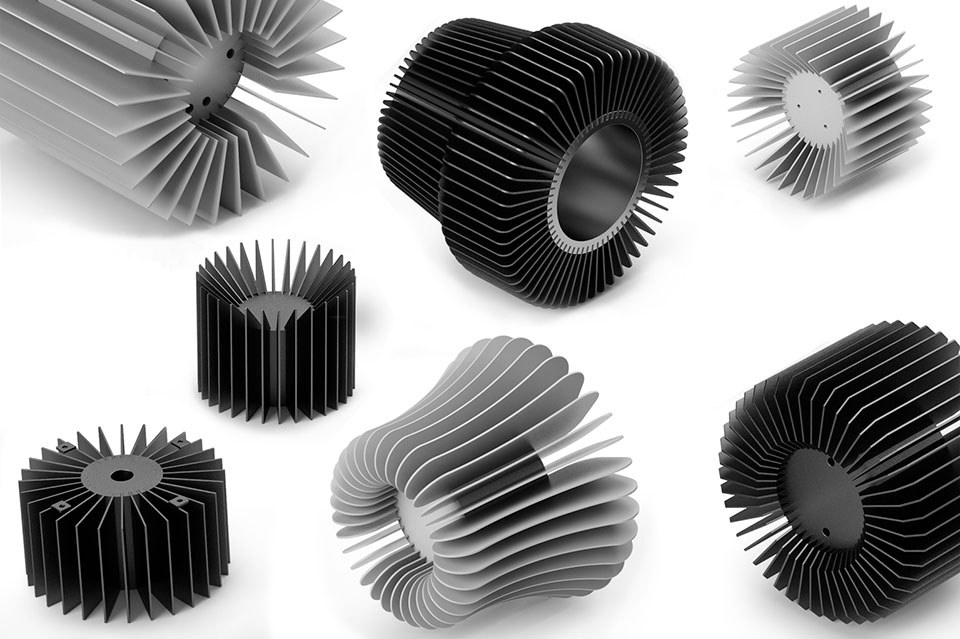
Thermal design typically includes:
- High-efficiency aluminum heat sinks
- Optimized airflow structure
- Efficient drivers
- Controlled internal heat distribution
How to Choose the Right Product
Ask yourself:
- What is the highest summer temperature?
- Is there proper ventilation?
- Is operation continuous?
- Is there direct sun exposure?
These answers determine the expected Effect of Heat on LED Lifespan in your project.
Frequently Asked Questions
Can the same LED be used in all projects?
No. The operating temperature rating must match the environment.
What happens if temperature exceeds the rating?
Lifespan decreases significantly.
Does ventilation really matter?
Yes. Proper airflow reduces thermal resistance and improves longevity.
Do hot climates require special specifications?
Yes. Products rated up to +60°C may be necessary in extreme conditions.
Conclusion
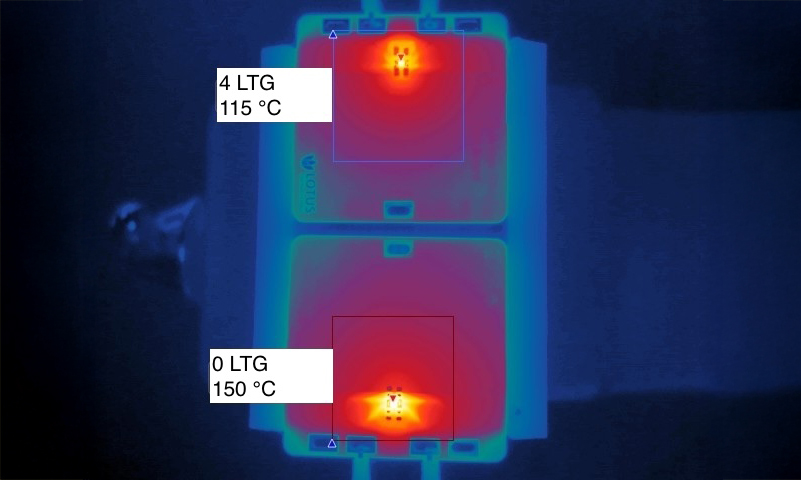
The Effect of Heat on LED Lifespan is an engineering reality that directly impacts performance, durability, and maintenance cost.
Selecting the correct temperature rating for each project ensures a reliable and long-lasting lighting investment.
Contact Falcon today to get a customized solution that fits your project needs.
🌐 Website: https://falcontgroup.com/
📞 Phone: 01001458515
Sources
- U.S. Department of Energy – Solid State Lighting
- IES LM-80 Standard
- Cree LED Thermal Management Guide
- Signify LED Application Guide