Rising electricity prices and sustainability goals are forcing businesses and municipalities to rethink how energy is consumed.
Lighting alone can account for 15% to 40% of total electricity usage in commercial and public facilities.
Implementing smart Energy Saving Strategies through LED lighting is one of the fastest and most measurable ways to reduce operational costs.
In 2025, LED systems are not just about illumination. They are part of a broader energy optimization strategy.
Why Energy Saving Strategies Matter in 2025
Organizations today face:
- Increasing utility tariffs
- Carbon reduction commitments
- Aging electrical infrastructure
- Higher maintenance expenses
Effective Energy Saving Strategies help control costs while supporting environmental responsibility.
1️⃣ Replace Conventional Lamps with LED Technology
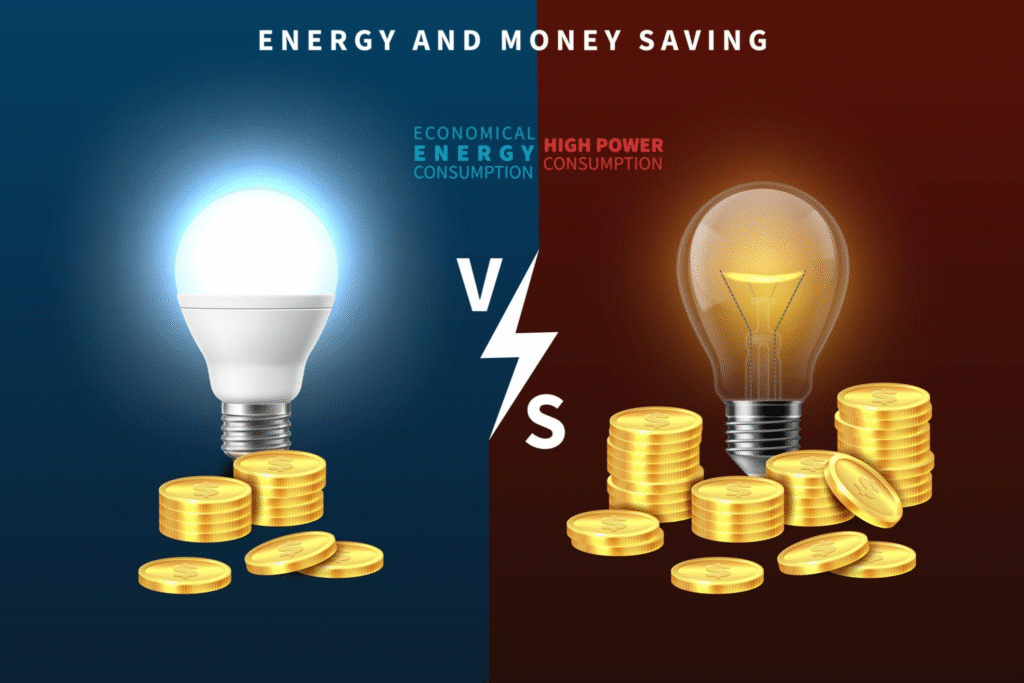
Traditional incandescent and high-pressure sodium lamps waste significant energy as heat.
LED lighting:
- Uses 50% to 80% less energy
- Converts more electrical power into visible light
- Produces less thermal loss
Replacing a 250W sodium lamp with a 120W LED fixture immediately reduces connected load.
This is the foundation of most Energy Saving Strategies in lighting projects.
(Source: U.S. Department of Energy – Solid State Lighting)
2️⃣ Optimize Luminous Efficacy
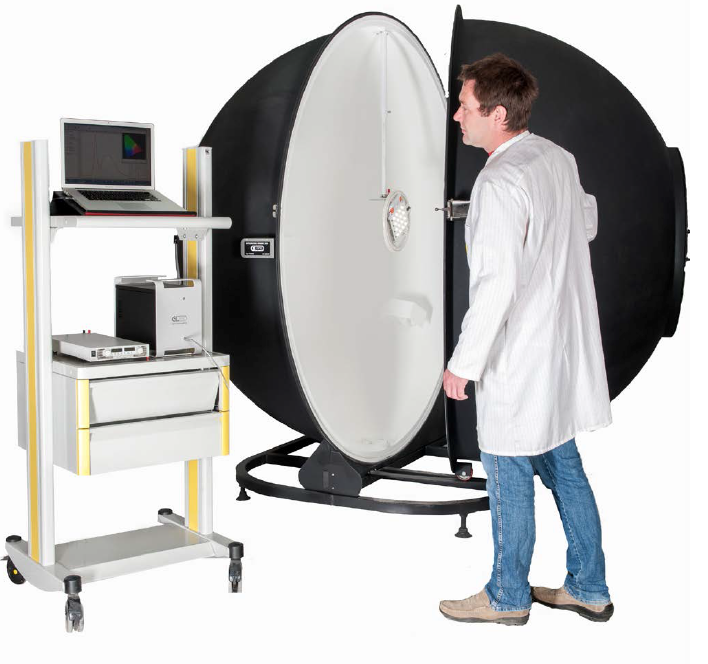
Modern LED fixtures can exceed:
- 130–180 lumens per watt
Higher efficacy means:
- Lower wattage for the same brightness
- Reduced long-term electricity consumption
Selecting high-efficacy fixtures strengthens Energy Saving Strategies across large facilities.
3️⃣ Implement Smart Lighting Controls
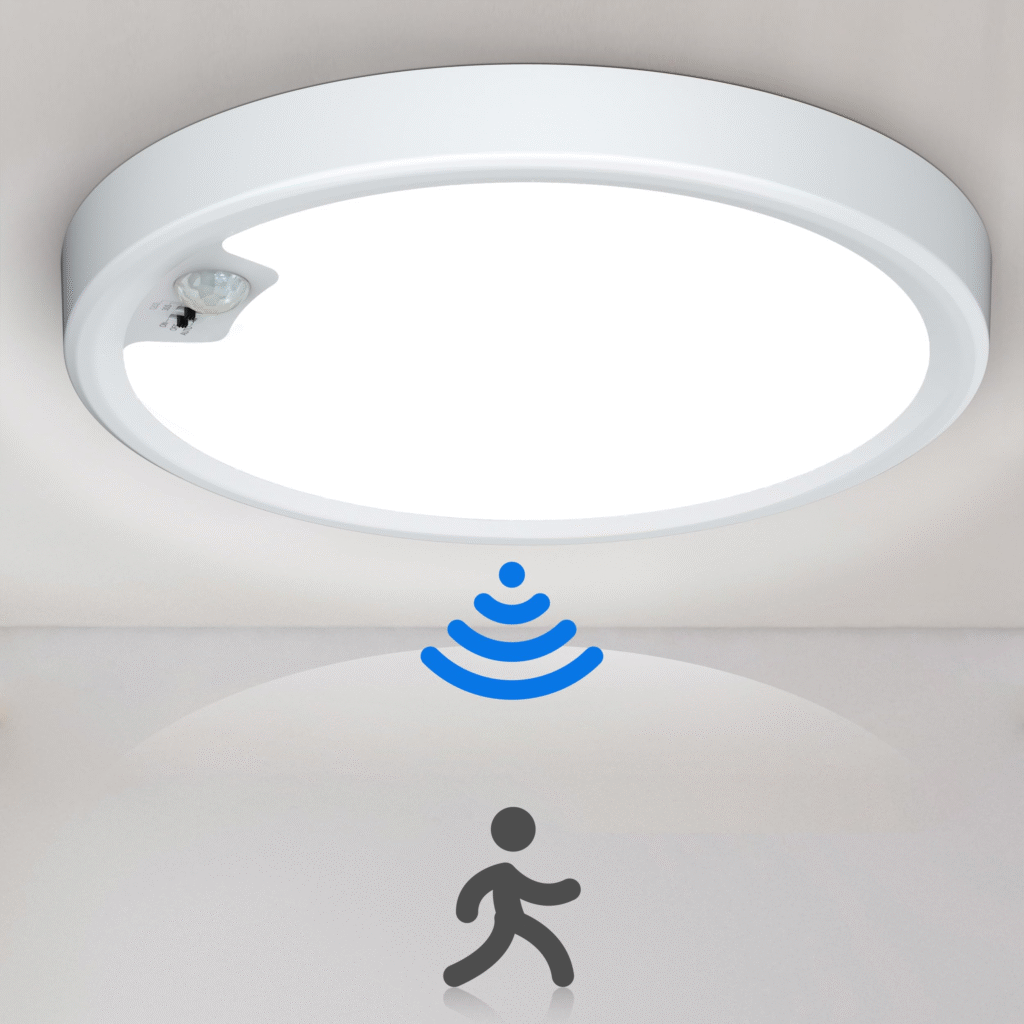
Smart systems enable:
- Motion sensors
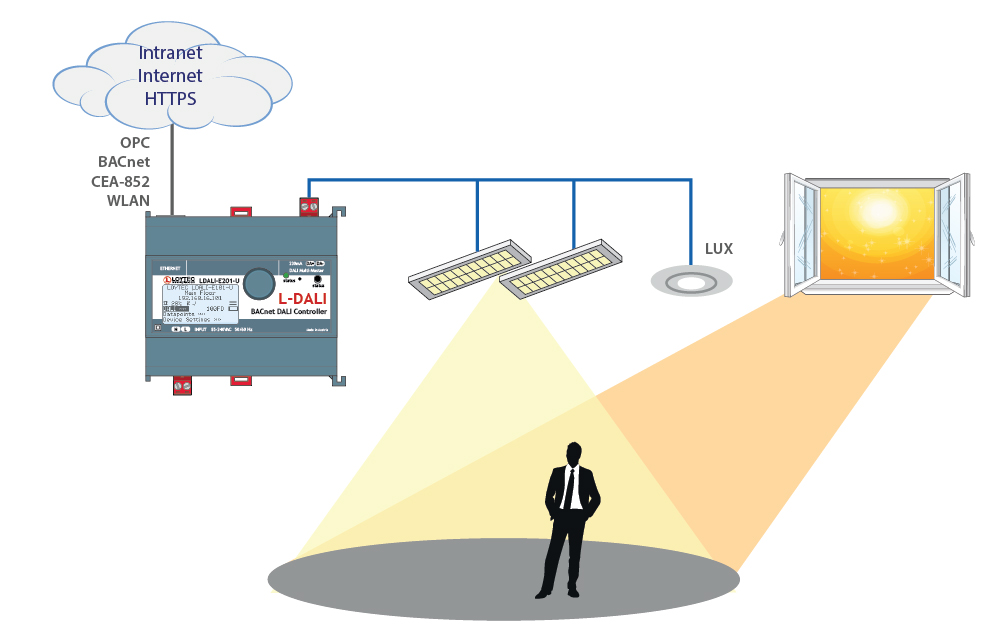
- Daylight harvesting
- Adaptive dimming
- Remote monitoring
Dimming lights by 30% during low-occupancy hours can reduce annual consumption by up to 20%.
Automation enhances Energy Saving Strategies by preventing unnecessary usage.
(Source: International Energy Agency)
4️⃣ Improve Power Factor and Electrical Efficiency
High-quality LED drivers operate with:
- Power factor above 0.95
- Lower harmonic distortion
- Reduced reactive losses
Better electrical efficiency reduces strain on transformers and distribution systems.
These technical improvements support long-term Energy Saving Strategies.
5️⃣ Apply Layered Lighting Design
Using:
- Ambient lighting
- Task lighting
- Accent lighting
Allows lower overall wattage while maintaining performance.
Balanced design avoids over-lighting and strengthens Energy Saving Strategies.
6️⃣ Use Occupancy-Based Zoning
Large facilities often illuminate entire areas unnecessarily.
Zoning strategies include:
- Warehouse aisle control
- Parking area motion activation
- Office section-based control
Targeted illumination enhances Energy Saving Strategies by limiting energy waste.
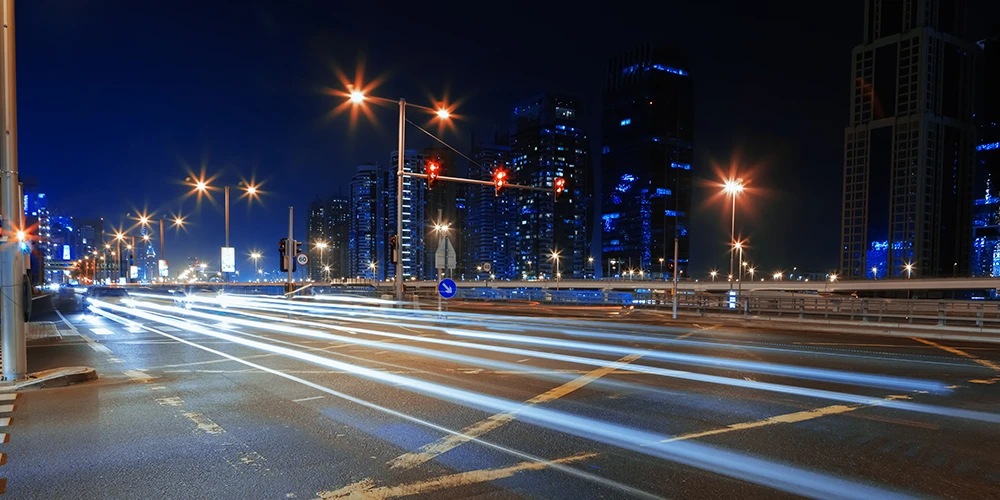
7️⃣ Upgrade to LED Street and Outdoor Lighting
Outdoor lighting operates long hours daily.
Switching to LED systems:
- Reduces energy consumption by 50–70%
- Extends fixture lifespan
- Decreases maintenance frequency
Municipal upgrades are among the most impactful Energy Saving Strategies globally.
(Source: World Bank Street Lighting Programs)
8️⃣ Integrate Solar and Hybrid Lighting Systems
Solar-powered LED lighting:
- Eliminates grid dependency in selected areas
- Reduces operational electricity costs
- Supports sustainability targets
Hybrid systems provide flexibility in remote locations.
These approaches expand the scope of Energy Saving Strategies beyond grid-based optimization.
9️⃣ Perform Lifecycle Cost Analysis
Effective Energy Saving Strategies evaluate:
- Initial investment
- Energy consumption
- Maintenance cost
- Replacement cycle
- End-of-life disposal
LED systems often achieve return on investment within 3–5 years while delivering savings over 10+ years.
Lifecycle planning ensures sustainable financial performance.
Engineering Considerations for Maximum Efficiency
When implementing LED-based Energy Saving Strategies, verify:
- LM-80 lumen maintenance testing
- TM-21 lifetime projection
- IP65/IP66 ratings for outdoor use
- Wide operating temperature range
- Driver efficiency and thermal management
Proper engineering prevents premature failures that reduce savings.
Well-designed LED solutions with efficient drivers and durable aluminum housing help organizations maintain consistent energy performance.
Frequently Asked Questions
How much can LED reduce energy consumption?
Typically between 50% and 80%, depending on application and control integration.
Are smart controls necessary for Energy Saving Strategies?
They significantly increase savings but are not mandatory.
Does LED reduce maintenance costs?
Yes. Longer lifespan reduces labor and replacement frequency.
Is the ROI period realistic?
Most commercial LED projects achieve ROI within 3–5 years.
Conclusion
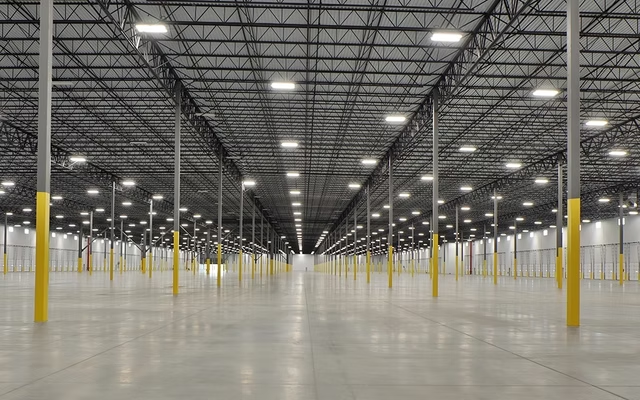
Smart Energy Saving Strategies begin with efficient lighting.
LED technology delivers measurable improvements through:
- Reduced electricity consumption
- Lower maintenance
- Smart automation
- Improved electrical efficiency
Organizations that adopt structured Energy Saving Strategies gain financial stability and sustainability advantages.
Contact Falcon today to get a customized LED lighting solution designed to maximize energy savings.
🌐 Website: https://falcontgroup.com/
📞 Phone: 01001458515
Sources :
- U.S. Department of Energy – Solid State Lighting
- International Energy Agency – Energy Efficiency
- IES Lighting Handbook
- World Bank – Energy Efficient Lighting Programs