Discover the key differences between Functional vs Decorative Lighting and learn 5 smart design strategies for balanced, efficient spaces in 2025.
Functional vs Decorative Lighting
Lighting is not just about brightness.
It defines how a space works and how it feels.
Understanding Functional vs Decorative Lighting helps designers, engineers, and property owners create balanced environments that are efficient and visually appealing.
In 2025, smart lighting design requires combining both types strategically.
Why Functional vs Decorative Lighting Matters in Modern Design
Poor lighting design leads to:
- Eye strain
- Energy waste
- Uneven illumination
- Weak visual impact
Proper understanding of Functional vs Decorative Lighting ensures both performance and atmosphere.
What Is Functional Lighting?
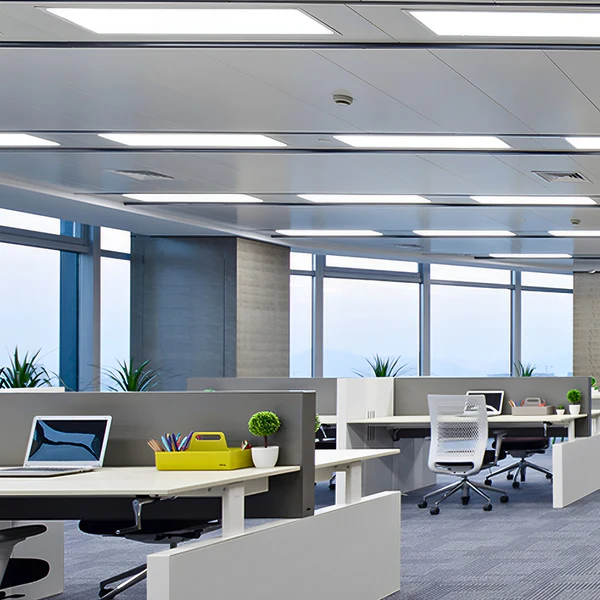
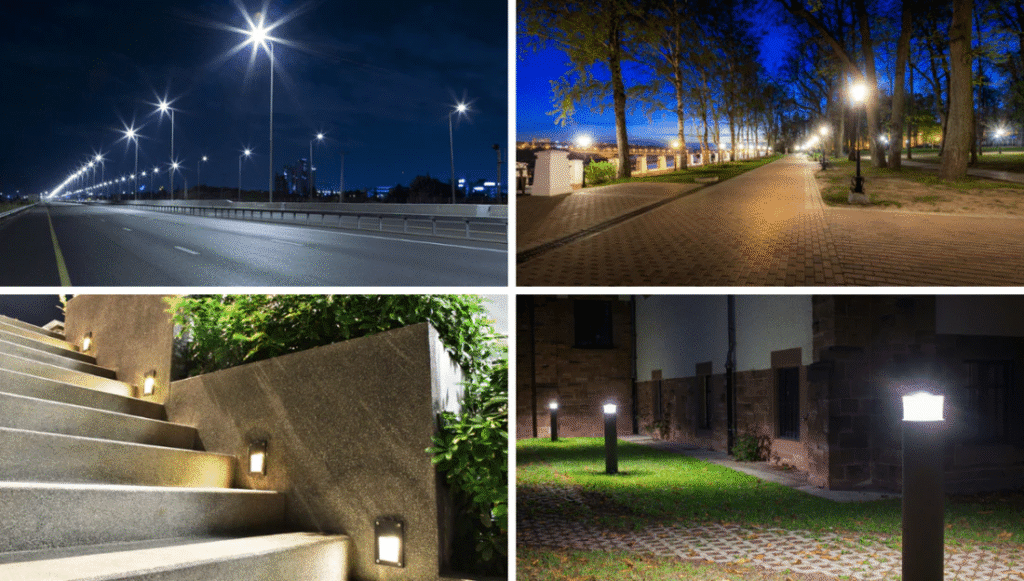
Functional lighting focuses on performance.
Its goal is to:
- Provide adequate illumination
- Improve visibility
- Support productivity
- Ensure safety
Examples include:
- Office LED panels
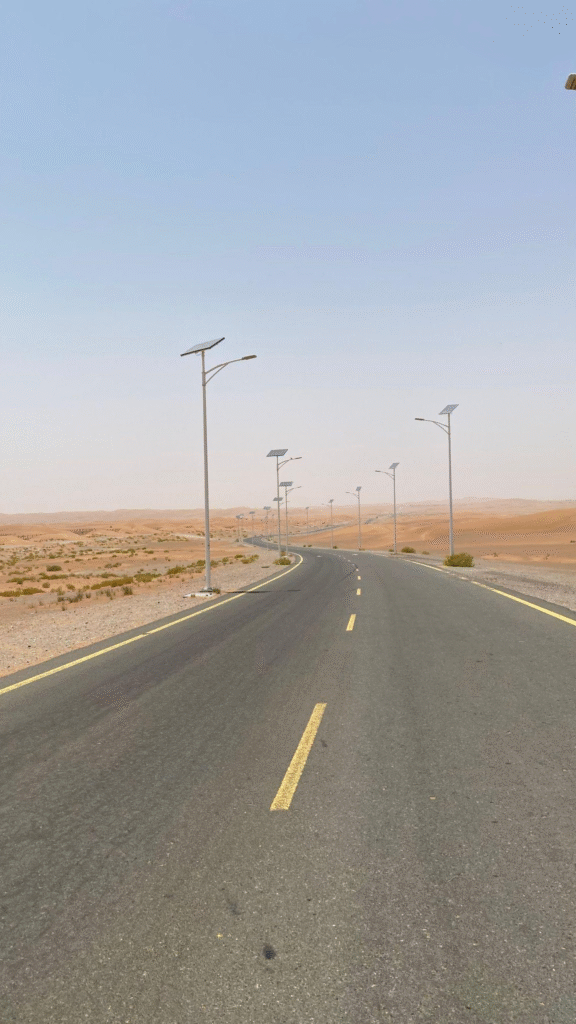
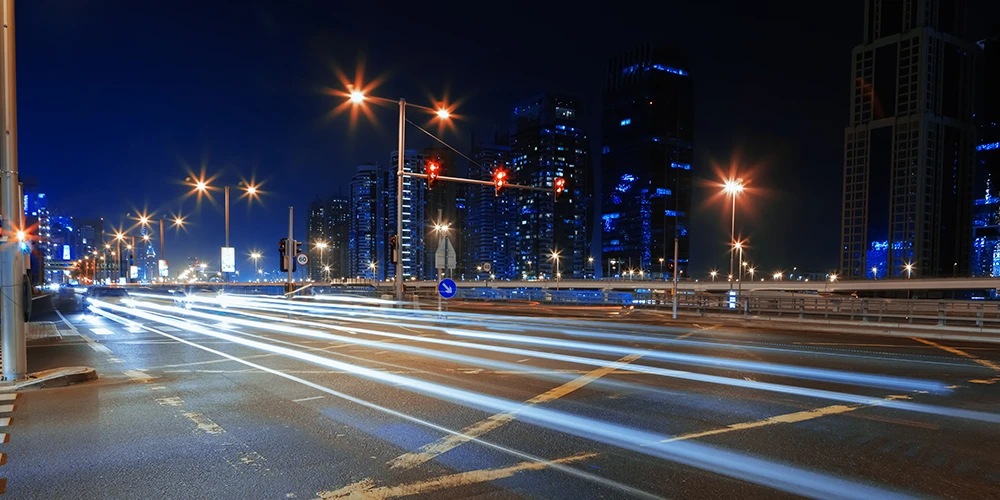
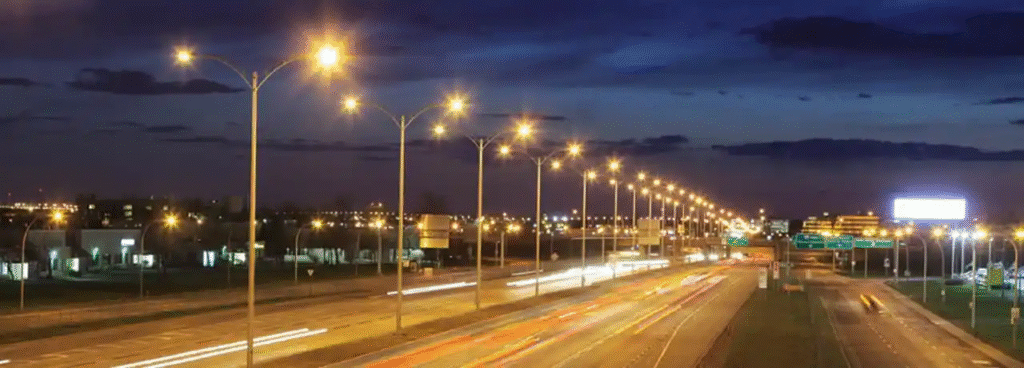
- Street lighting
- Industrial high bays
- Task lighting over workstations
Functional systems are designed using lux levels, lumen output, and beam distribution calculations.
In commercial and municipal projects, functional lighting directly affects energy efficiency and operational cost.
What Is Decorative Lighting?
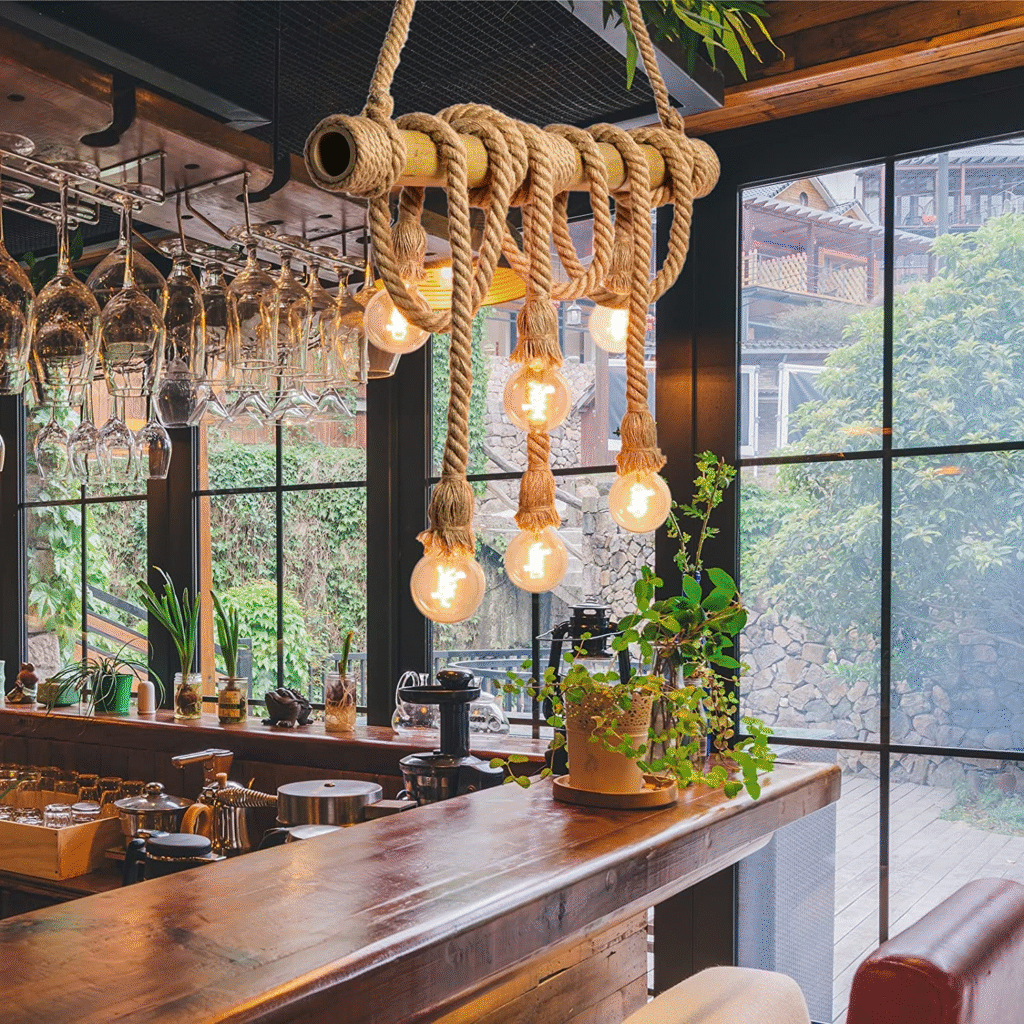
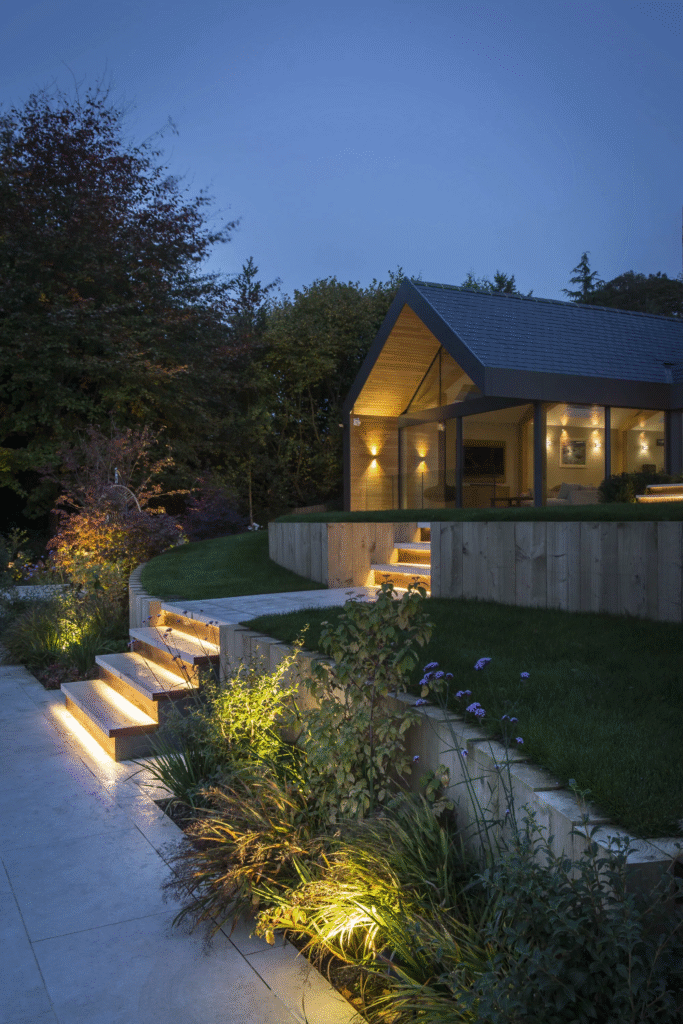
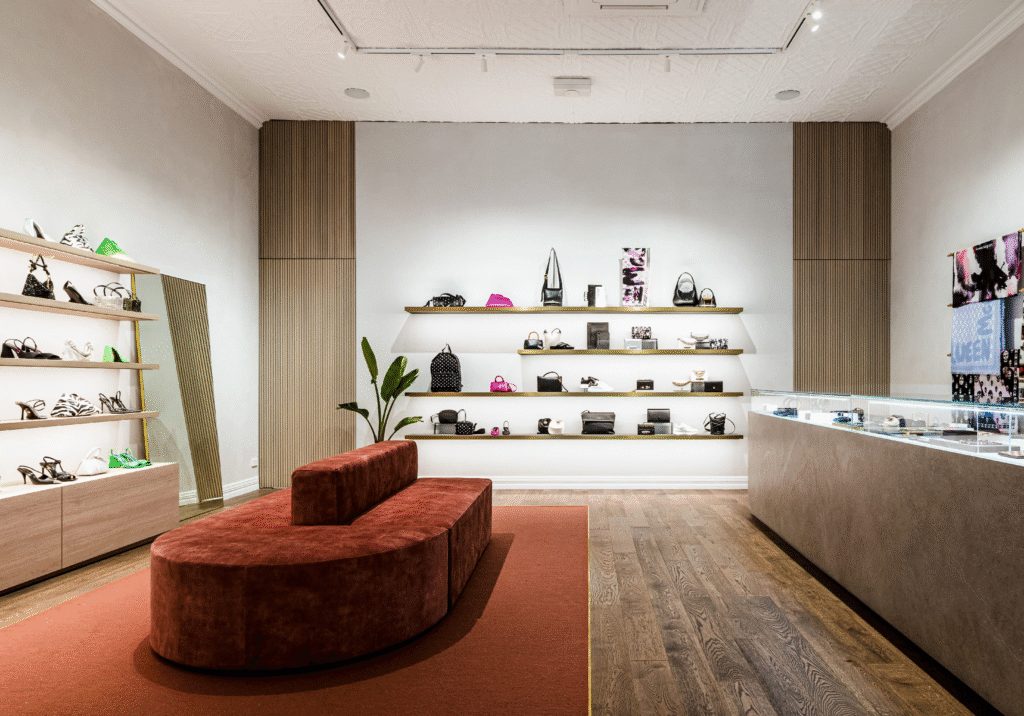
Decorative lighting focuses on aesthetics.
Its purpose is to:
- Enhance interior design
- Create ambiance
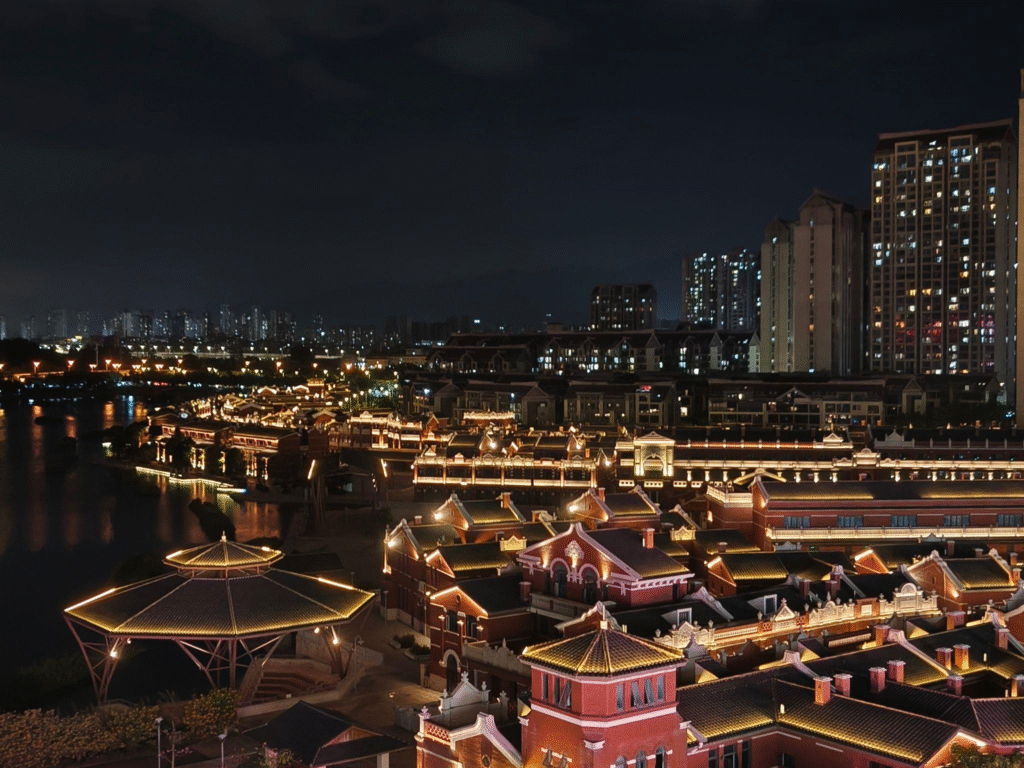
- Highlight architectural features
- Add visual identity
Examples include:
- Chandeliers
- Pendant lights
- Wall sconces
- Accent spotlights
Decorative lighting does not always prioritize maximum lux levels. It prioritizes mood and visual impact.
Understanding Functional vs Decorative Lighting helps avoid over-lighting or under-lighting spaces.
5️⃣ Smart Ways to Balance Functional vs Decorative Lighting
1️⃣ Define the Primary Purpose of the Space
Is the area for work, relaxation, or public movement?
Offices require higher lux levels.
Restaurants require controlled ambiance.
Correct classification improves Functional vs Decorative Lighting decisions.
2️⃣ Use Layered Lighting Design
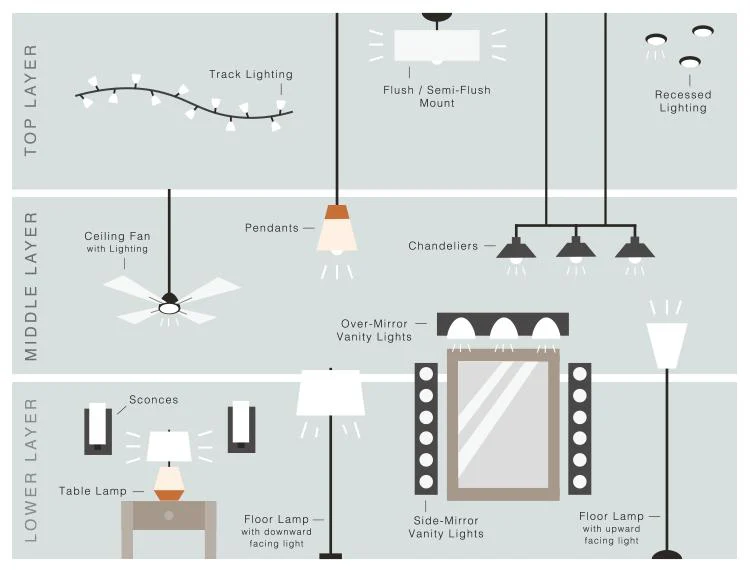
Combine:
- Ambient lighting
- Task lighting
- Accent lighting
Layering ensures both performance and aesthetics.
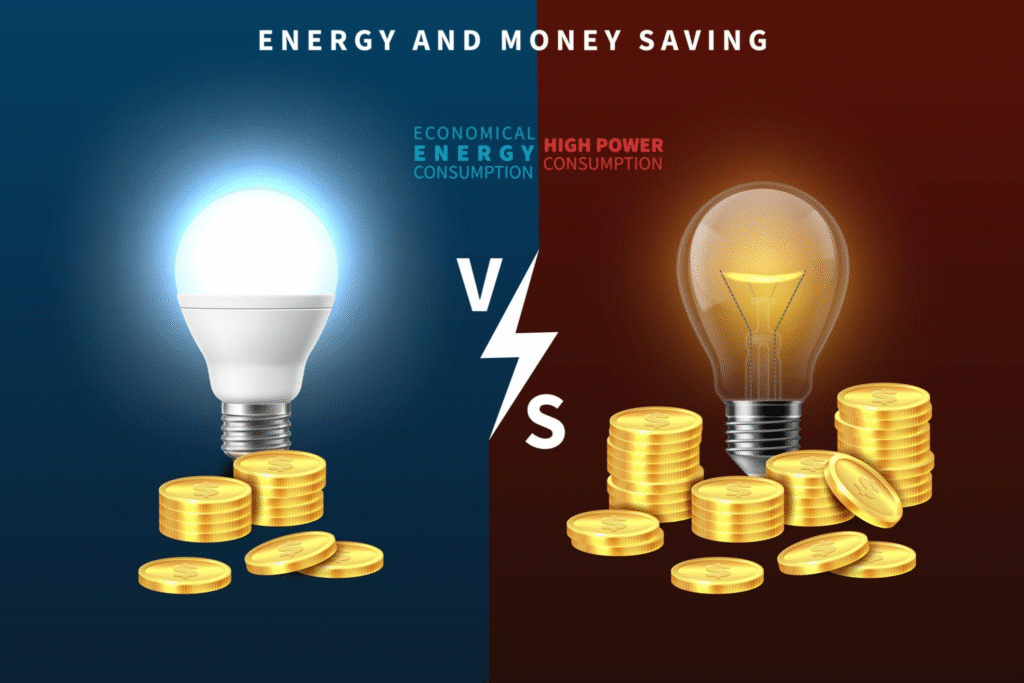
3️⃣ Prioritize Energy Efficiency
Even decorative lighting can use high-efficiency LED sources.
Selecting efficient fixtures reduces energy waste without compromising design.
4️⃣ Consider Thermal and Environmental Conditions
Outdoor decorative fixtures must handle:
- High temperatures
- Dust and moisture
- IP rating requirements
Functional outdoor systems often require wide temperature tolerance.
Proper engineering improves reliability in both Functional vs Decorative Lighting applications.
5️⃣ Maintain Visual Consistency
Mixing styles without planning creates imbalance.
Ensure:
- Consistent color temperature
- Matching CRI levels
- Balanced brightness ratios
Design harmony enhances both functionality and aesthetics.
Where Functional vs Decorative Lighting Works Best
Offices
Functional lighting dominates. Decorative accents enhance meeting areas.
Retail Stores
Functional lighting ensures product visibility. Decorative lighting builds brand identity.
Restaurants
Decorative lighting shapes atmosphere. Functional lighting supports kitchen safety.
Municipal Projects
Functional lighting ensures safety and compliance. Decorative lighting enhances urban identity.
Balanced design optimizes both performance and experience.
Role of Engineered LED Solutions
Modern LED technology supports both categories.
Well-designed LED systems offer:
- High lumen efficiency
- Adjustable color temperature
- Long lifespan
- Wide operating temperature ranges
This flexibility allows seamless integration of Functional vs Decorative Lighting in residential, commercial, and municipal environments.
Frequently Asked Questions
Can decorative lighting replace functional lighting?
No. Decorative lighting enhances design but cannot replace required illumination levels.
Is functional lighting always brighter?
Not necessarily. It must meet specific lux standards based on application.
Can LED fixtures serve both purposes?
Yes. Many modern LED fixtures combine efficiency with design appeal.
Does decorative lighting increase energy consumption?
Only if inefficient fixtures are used. LED-based decorative lighting minimizes impact.
Conclusion
Understanding Functional vs Decorative Lighting allows smarter design decisions.
Functional lighting ensures performance and safety.
Decorative lighting shapes atmosphere and identity.
The best lighting strategy combines both, using efficient and well-engineered LED systems.
Contact Falcon today to get a customized lighting solution that fits your project needs.
🌐 Website: https://falcontgroup.com/
📞 Phone: 01001458515
Sources
- IES Lighting Handbook
- U.S. Department of Energy – Solid State Lighting
- International Energy Agency – Energy Efficient Lighting
- CIE Lighting Standards