The Role of Green Lighting Technologies

Green Lighting Technologies are revolutionizing the lighting industry by cutting carbon emissions and improving sustainability. As demand for eco-friendly solutions grows, manufacturers focus on innovative materials that boost efficiency and durability. This article explores how sustainable materials are reshaping lighting production and reducing environmental impact.
Unddvaerstanding Carbon Footprint in Lighting Production
Lighting production impacts the environment through material extraction, manufacturing, transport, and disposal. Traditional lighting uses resource-heavy materials like plastics and metals with high energy consumption. Its carbon footprint includes:
- Raw material extraction: Mining metals and producing plastics generate emissions.
- Manufacturing processes: Energy-intensive production methods contribute to pollution.
- Transportation and distribution: Global supply chains increase fuel consumption.
- End-of-life disposal: Non-recyclable components contribute to landfill waste.
By adopting anced lighting solutions, manufacturers can cut environmental impact. The U.S. Department of Energy states LED lighting uses 75% less energy and lasts 25 times longer than incandescent bulbs, reducing emissions and waste. Sustainable lighting technologies enhance energy efficiency and minimize waste globally.
Sustainable Materials Revolutionizing Lighting Production
Falcon Electronics & Electrical Industries leads in eco-friendly lighting by using recycled metals, biodegradable plastics, and renewable resources. Their LED fixtures boost energy efficiency while cutting waste and environmental impact.
1. Recycled Metals and Alloys

Recycled aluminum and steel are increasingly used in lighting fixtures. These materials require significantly less energy to process compared to virgin metals. Key benefits include:
- Lower carbon emissions: Recycling metals reduces the need for mining and processing.
- Durability and efficiency: These materials maintain structural integrity while being eco-friendly.
- Alignment with Green Lighting Technologies: Using recycled materials further enhances sustainability in lighting production.
2. Biodegradable Plastics and Bio-Composites
Traditional plastics are a major pollutant in the lighting industry. Sustainable alternatives such as PLA (Polylactic Acid) and hemp-based plastics offer:
- Reduced dependency on fossil fuels: Derived from natural resources like corn starch.
- Biodegradability: Lower environmental impact at the end of the product’s lifecycle.
- Green Lighting Technologies applications: Biodegradable plastics are being integrated into next-generation eco-friendly lighting products.
3. Natural and Renewable Materials
Manufacturers are integrating wood, bamboo, and cork into lighting designs. These materials are:
- Sustainable and rapidly renewable: Bamboo, for instance, regenerates quickly.
- Aesthetic and unique: Offering natural textures for modern eco-conscious designs.
- Compatible with Green Lighting Technologies: These materials help create sustainable, stylish, and long-lasting lighting solutions.
4. LED Technology and Sustainable Components
LED lighting itself is an energy-efficient alternative to traditional incandescent and fluorescent bulbs. Sustainable advancements include:
- Phosphor-based LEDs: Reducing the use of rare earth elements.
- Longer lifespan: Reducing the frequency of replacements and electronic waste.
- Green Lighting Technologies integration: LEDs play a crucial role in sustainable lighting solutions by offering high efficiency and low energy consumption.
5. Smart Lighting Systems for Energy Efficiency

Green Lighting Technologies improve energy conservation when integrated with smart systems. The Philips Hue lighting system, for example, uses energy-efficient LEDs that adjust brightness based on user preferences and time. Its compatibility with smart assistants enables automated scheduling, cutting unnecessary energy use.
- Automated dimming and scheduling: Reducing unnecessary energy use.
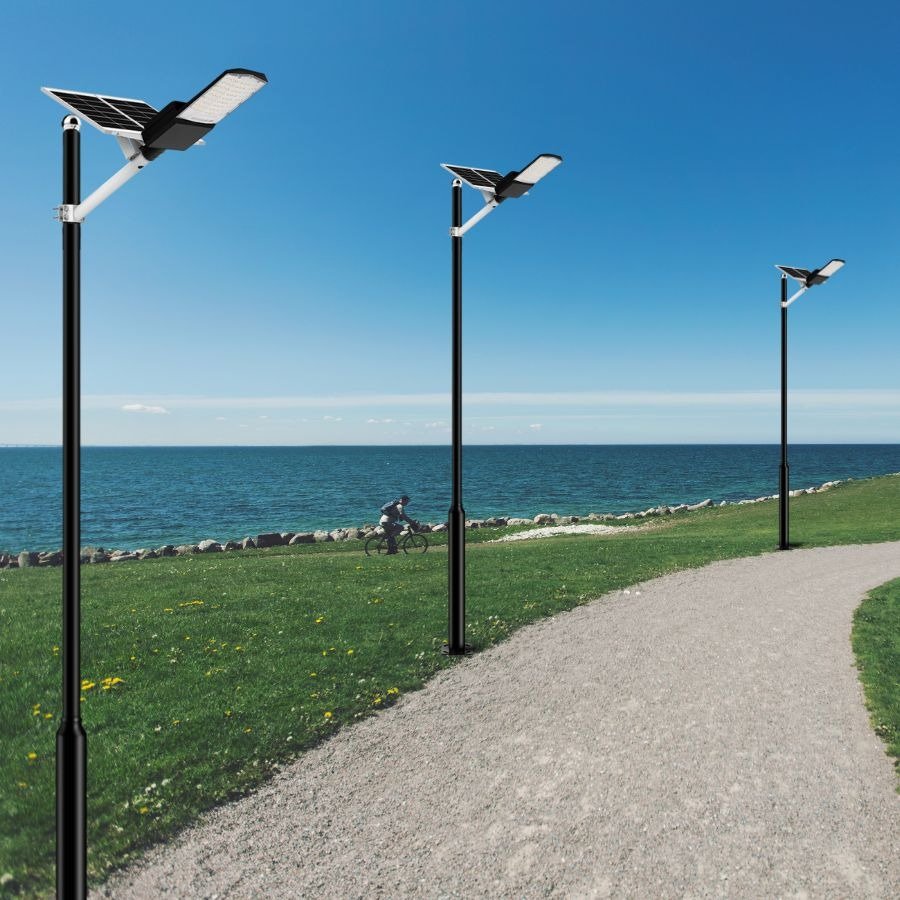
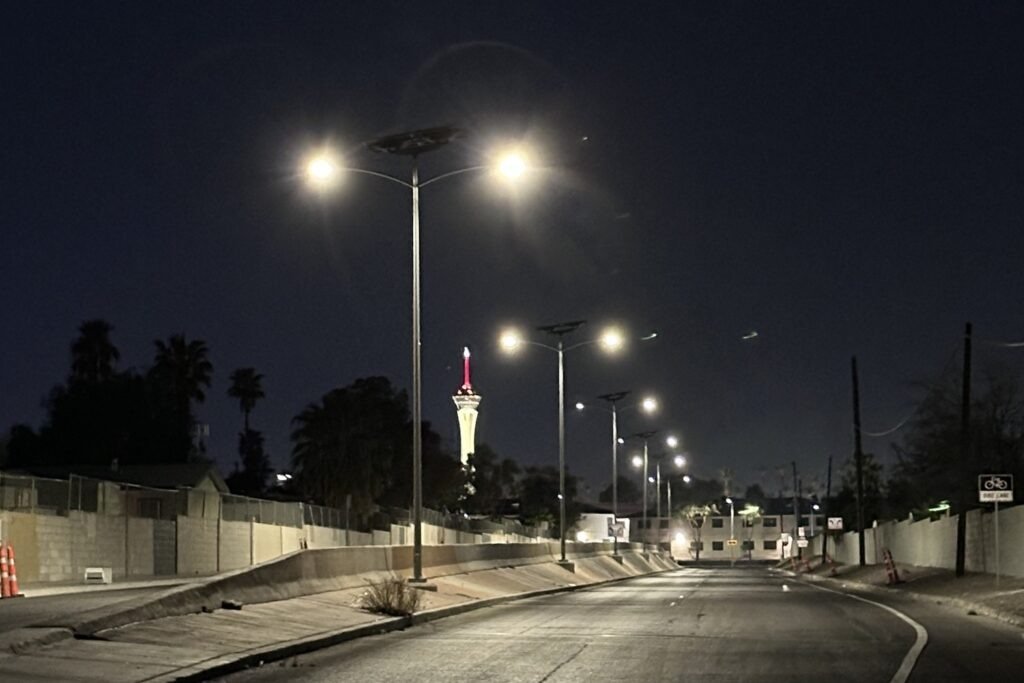
- Solar-powered lighting: Harnessing renewable energy for illumination.
- Smart integration with Green Lighting Technologies: Automation and AI-driven adjustments make lighting systems more efficient than ever.
Smart Lighting Systems for Energy Efficiency
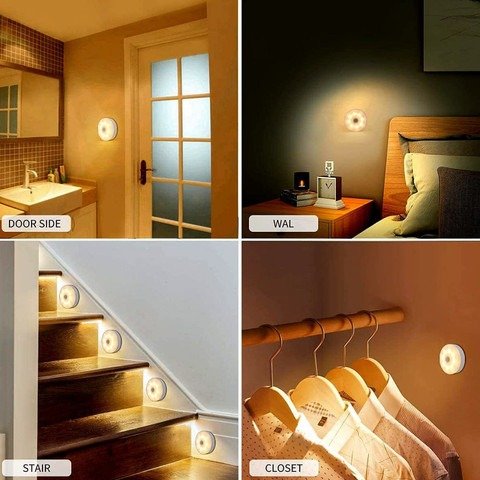
Falcon Electronics & Electrical Industries integrates smart lighting with home automation. Their LED and IoT-enabled products optimize energy use while enhancing convenience. Features like automated dimming, motion sensing, and solar power make Falcon’s systems a sustainable choice.
Frequently Asked Questions (FAQ)
Q: How is Falcon Electronics & Electrical Industries contributing to sustainable lighting?
A: Falcon Electronics & Electrical Industries is at the forefront of Green Lighting Technologies, using eco-friendly materials, smart lighting solutions, and energy-efficient LEDs. Their commitment to sustainability ensures reduced carbon footprints and long-lasting, high-performance lighting products.
Q: Are sustainable lighting materials more expensive?
A: Initially, they may have a higher upfront cost, but they often save money in the long run due to energy efficiency and longevity. Green Lighting Technologies help optimize these costs by reducing energy waste and increasing product lifespan.
Q: Can I recycle my old lighting fixtures?
A: Yes! Many manufacturers offer recycling programs for old fixtures and bulbs. Green Lighting Technologies encourage sustainable recycling programs to minimize waste.
Q: Do smart lighting systems really save energy?
A: Absolutely! Smart lighting can reduce electricity consumption by automatically adjusting brightness and timing. Green Lighting Technologies enhance these systems, making them even more efficient.
Q: What about installation and maintenance costs?
A: Though initial costs for smart and sustainable lighting may be higher, they are balanced by long-term energy savings and fewer replacements. Many Green Lighting Technologies are built for durability and low maintenance, making them cost-effective over time.
Q: Are sustainable lighting materials more expensive?
A: Initially, they may have a higher upfront cost, but they often save money in the long run due to energy efficiency and longevity. Green Lighting Technologies help optimize these costs by reducing energy waste and increasing product lifespan.
Q: Can I recycle my old lighting fixtures?
A: Yes! Many manufacturers offer recycling programs for old fixtures and bulbs. Green Lighting Technologies encourage sustainable recycling programs to minimize waste.
Q: Do smart lighting systems really save energy?
A: Absolutely! Smart lighting can reduce electricity consumption by automatically adjusting brightness and timing. Green Lighting Technologies enhance these systems, making them even more efficient.
Ready to Make the Switch?
It’s time to brighten up your space while protecting the planet! Check out our latest eco-friendly lighting solutions today and take the first step toward a more sustainable future. Explore Green Lighting Technologies and join the movement toward a greener future.
Suggested Topics
- LED Technology: The Positive Impact on Sustainable Lighting Solutions
- The Positive Impact of Smart LED Systems on Sustainable Living
- Smart Bulbs: How to Choose the Right One for Your Home (Ultimate Guide
Sources
- Falcon Electronics & Electrical Industries
- Sustainable Materials in Manufacturing – Research Article
- Philips Hue Smart Lighting
- U.S. Department of Energy – Energy Efficiency & Renewable Energy