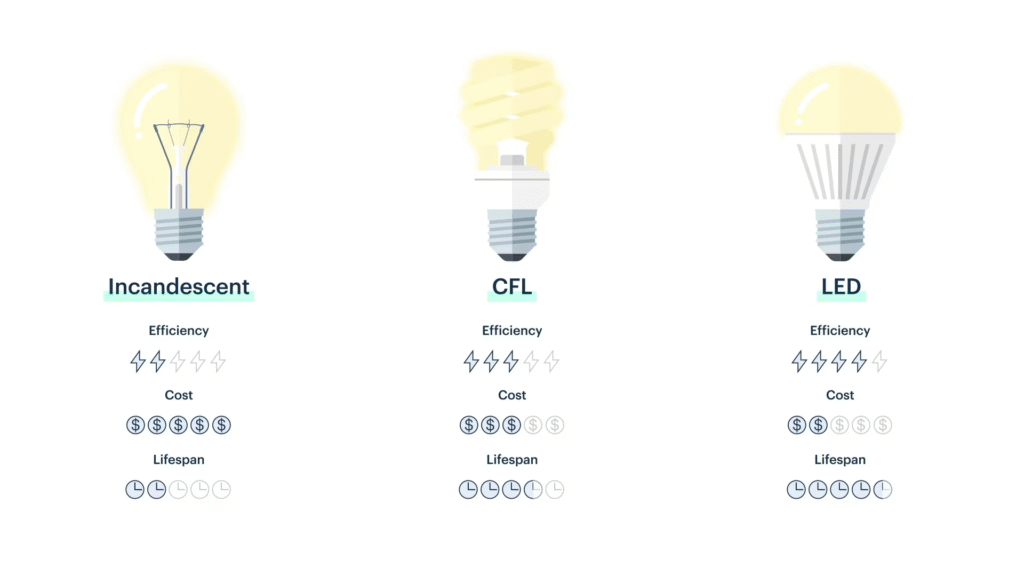
Lighting is one of the most influential elements in any built environment. It affects how people see, think, feel, and perform tasks throughout the day. Over time, lighting systems have evolved from simple illumination tools into carefully engineered solutions designed to support human comfort and efficiency. Today, LED lighting stands at the center of this evolution, offering a unique balance between Improving Light Quality and reducing overall energy consumption.
Unlike traditional lighting technologies, LEDs are not limited to brightness alone. They are designed to control light distribution, color accuracy, stability, and efficiency at the same time. This combination allows modern spaces to achieve Improving Light Quality without increasing power demand, making LED lighting one of the most impactful innovations in modern building design.
What Does Improving Light Quality Really Mean?
Improving Light Quality refers to enhancing how light supports human vision and comfort rather than simply increasing illumination levels. High-quality lighting allows people to see clearly without strain, perceive colors accurately, and work or move within a space comfortably.
Several factors define light quality:
- Uniform distribution without dark zones
- Stable output without flicker
- Accurate color rendering
- Appropriate brightness for the task
- Controlled glare and reflections
LED lighting systems are engineered to address all these factors together, making them a powerful tool for Improving Light Quality across different environments.
Why Traditional Lighting Struggles with Light Quality
Older lighting technologies such as incandescent and fluorescent lamps were never designed with full visual comfort in mind. They often suffer from uneven distribution, rapid performance degradation, and unstable output.
Common issues include:
- Flicker that causes headaches and fatigue
- Color distortion over time
- Excessive heat generation
- High energy waste
Because of these limitations, traditional lighting often fails at Improving Light Quality, even when energy consumption is high.
How LED Lighting Achieves Improving Light Quality
1. Uniform and Controlled Light Distribution
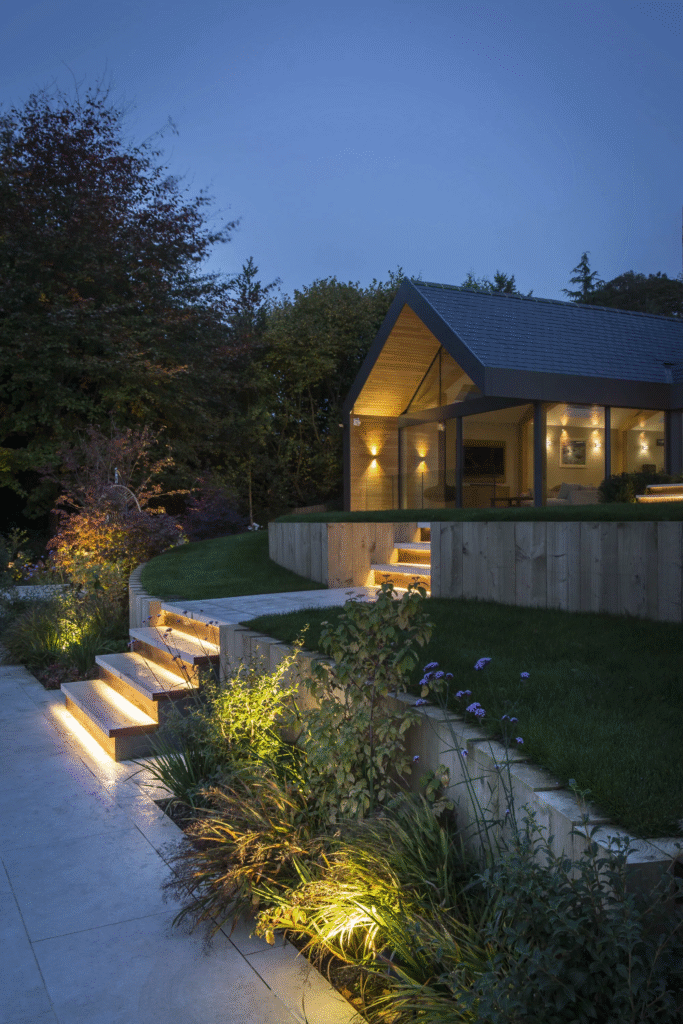
LEDs emit light directionally, allowing designers to place illumination exactly where it is needed. This precision eliminates harsh contrasts and shadow-heavy areas. Even lighting reduces eye movement stress and supports Improving Light Quality in offices, schools, healthcare facilities, and homes.
Uniform distribution also improves spatial awareness, making environments feel more organized and visually comfortable.
2. High Color Rendering for Accurate Vision
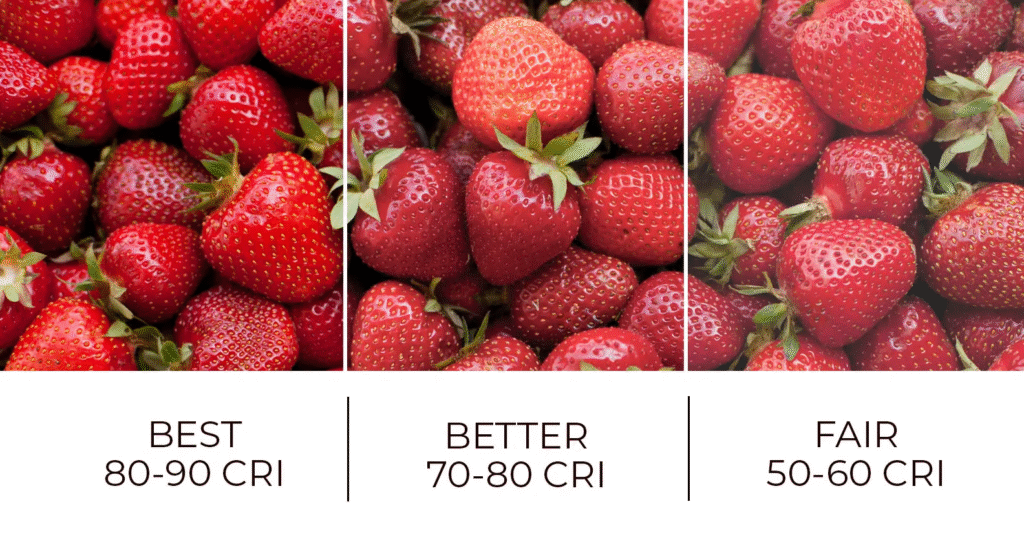
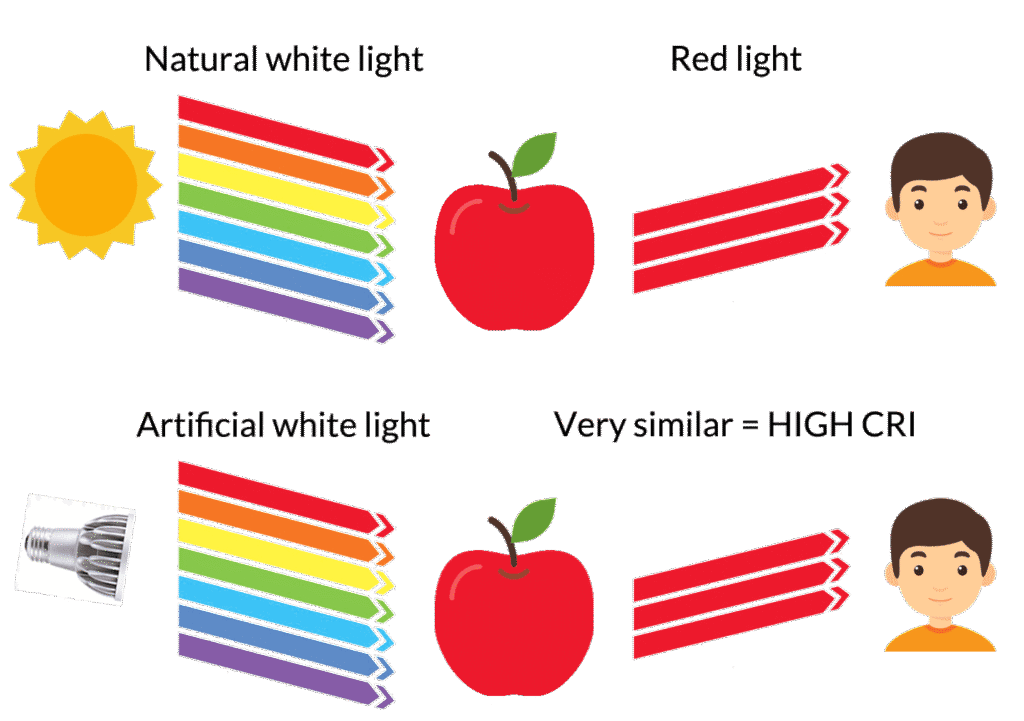
Color accuracy is essential in many environments, from workspaces to retail and medical facilities. LED lighting with high Color Rendering Index values ensures that colors appear natural and consistent.
Accurate color perception is a core element of Improving Light Quality, as it prevents visual misjudgment and enhances trust in what people see.
3. Flicker-Free and Stable Performance
Many lighting systems produce flicker that is invisible to the naked eye but stressful to the brain. LED lighting, when properly designed, delivers stable illumination that eliminates flicker-related discomfort.
By removing this hidden stressor, LED systems contribute directly to Improving Light Quality and long-term visual health.
4. Flexible Color Temperature Control
LED technology allows precise adjustment of color temperature. Different tones support different human responses:
- Cooler tones enhance alertness and focus
- Neutral tones support balanced tasks
- Warmer tones promote relaxation
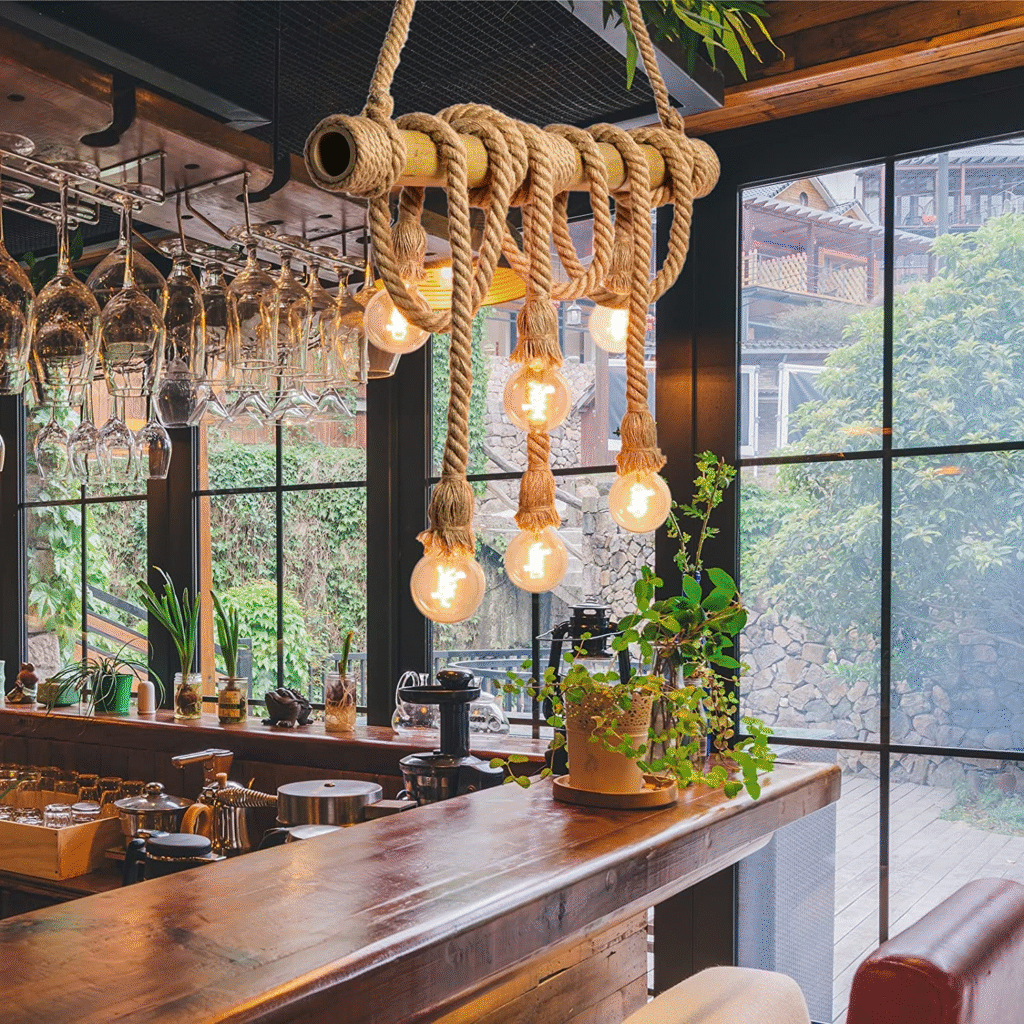
This adaptability supports Improving Light Quality by matching lighting conditions to human needs rather than forcing adaptation.
Improving Light Quality While Reducing Energy Use
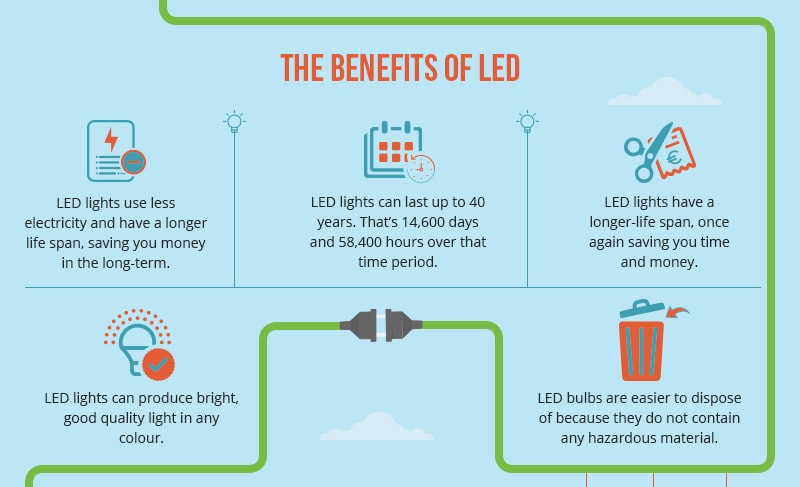
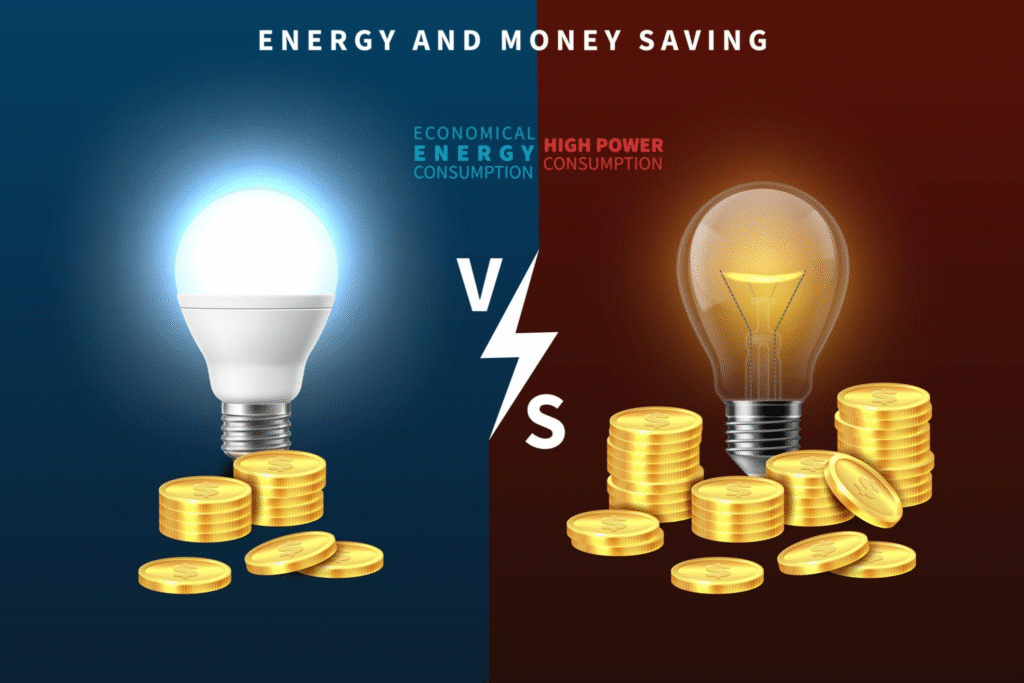
One of the most important advantages of LED lighting is that visual improvement does not require higher energy input. In fact, Improving Light Quality often leads to lower energy consumption when LEDs are used correctly.
1. Higher Luminous Efficiency
LEDs convert a larger percentage of electricity into visible light. Less energy is wasted as heat, allowing spaces to achieve better illumination with lower power levels.
2. Reduced Overlighting
Traditional systems often rely on excessive brightness to compensate for poor distribution. LED systems eliminate this need by delivering light precisely, supporting Improving Light Quality without unnecessary energy use.
3. Lower Cooling Demand
Because LEDs generate minimal heat, buildings require less cooling. This indirect effect further reduces total energy consumption while maintaining high light quality.
Environments That Benefit Most from Improving Light Quality
Workplaces
In offices, lighting directly affects focus, accuracy, and comfort. LED systems support Improving Light Quality by reducing eye strain, stabilizing brightness, and supporting long working hours without fatigue.
Educational Facilities
Students benefit from glare-free, stable lighting that supports concentration. Improving Light Quality in classrooms leads to better engagement and reduced visual stress.
Healthcare Settings
Medical environments require precise visual conditions. LED lighting enhances visibility, supports accurate diagnosis, and contributes to patient comfort while maintaining energy efficiency.
Retail and Commercial Spaces
In retail, lighting quality influences purchasing behavior. Improving Light Quality makes products appear clearer and more appealing while reducing operational costs.
Long-Term Performance and Sustainability
LED lighting maintains performance over a much longer lifespan compared to traditional lamps. Stable output over time ensures continuous Improving Light Quality without frequent replacement.
This longevity reduces maintenance costs, material waste, and environmental impact, aligning lighting systems with sustainability goals.
Design Strategies for Improving Light Quality with LEDs
To fully benefit from LED technology, lighting design must be intentional:
- Correct fixture placement
- Balanced ambient and task lighting
- Proper selection of color temperature
- Adequate illumination levels for tasks
- Use of diffusers and glare-control optics
When design supports technology, Improving Light Quality becomes consistent and measurable.
The Future of Improving Light Quality and Energy Efficiency
Smart lighting systems are expanding the role of LEDs. Automated controls, occupancy sensors, and daylight integration further enhance Improving Light Quality while optimizing energy use.
Future LED systems will continue to align lighting performance with human behavior, environmental responsibility, and operational efficiency.
Conclusion
LED lighting has proven that high visual comfort and energy efficiency are not opposing goals. Through advanced control, precise distribution, and stable performance, LEDs achieve Improving Light Quality while significantly reducing energy use.
As buildings move toward smarter and more sustainable solutions, LED lighting remains the most reliable path to creating visually comfortable environments that consume less energy and deliver lasting value.
Suggested Topics :
- Creating the Perfect Workspace with LED Lighting
- Precision & Safety with Laboratory Lighting Systems
- Why CRI Matters for Outdoor Retail and Commercial Facades