Let’s be honest.
Choosing an LED Downlight sometimes feels like solving a math problem you didn’t sign up for.
Wattage.
Lumens.
Beam angle.
You just want good lighting. Not a physics lesson.
So let’s break everything down in a simple way. No complicated terms. Just clear decisions you can actually use.
Why Choosing the Right LED Downlight Really Matters
The wrong downlight can cause:
- Rooms that feel too dark
- Light that hurts your eyes
- High electricity bills
- Bright spots in one area and shadows in another
The right LED Downlight makes the space feel balanced, comfortable, and modern.
Good lighting changes how a room feels. It can make a small space look bigger. It can make a living room feel cozy. It can make a store look professional.
First: Wattage – Think of It as Fuel Consumption
Here’s the simple rule:
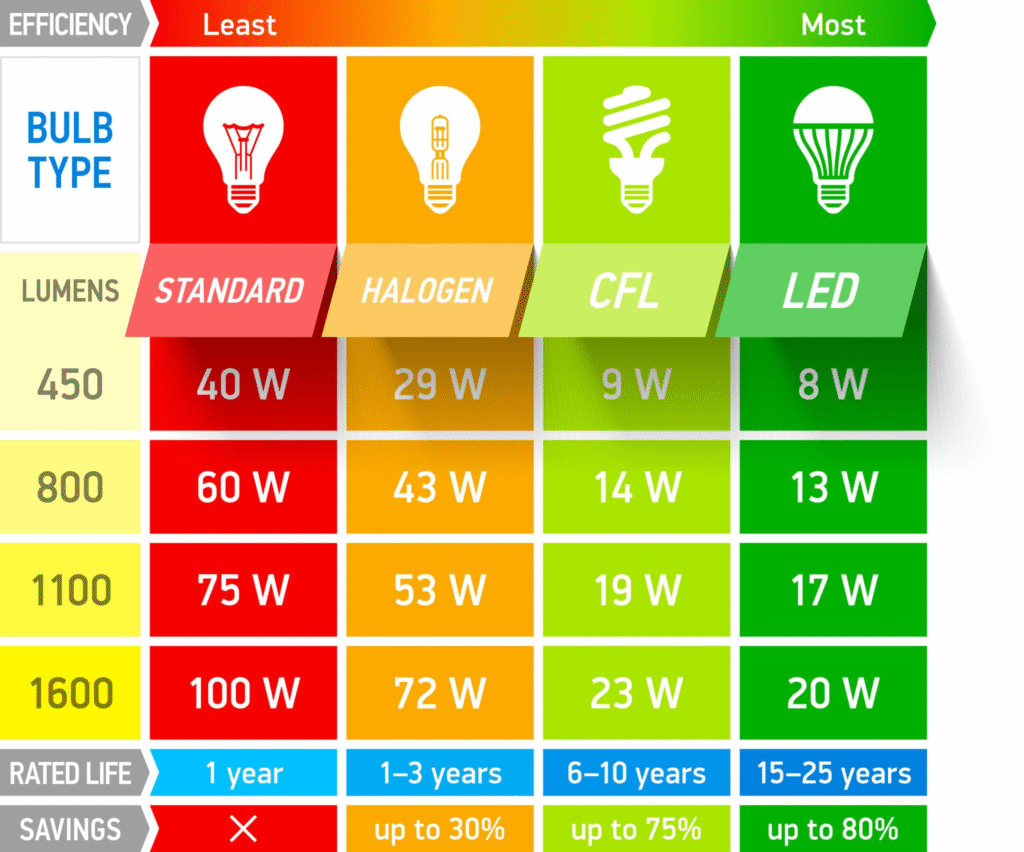
Wattage = how much electricity the light uses.
Not how bright it is.
In older bulbs, higher watts meant brighter light.
With LED Downlight technology, that rule is outdated.
Examples:
- 7W–9W → Small hallway or bathroom
- 10W–12W → Bedroom
- 15W–18W → Living room or office
- 20W+ → Large commercial space
If someone tells you “This is 20W so it’s stronger,”
Ask: “How many lumens?”
Because wattage only tells you how much power you’re paying for.
Second: Lumens – This Is the Real Brightness
Lumens tell you how bright the LED Downlight actually is.
Think of lumens like the volume button for light.
General guide:
- 600–800 lumens → Soft lighting
- 1000–1200 lumens → Comfortable room lighting
- 1500+ lumens → Bright work areas
If your room feels dim even though the wattage is high,
It probably means the lumens are low.
Always check lumens first when choosing an LED Downlight.
Third: Beam Angle – How the Light Spreads
Now this one is important and most people ignore it.
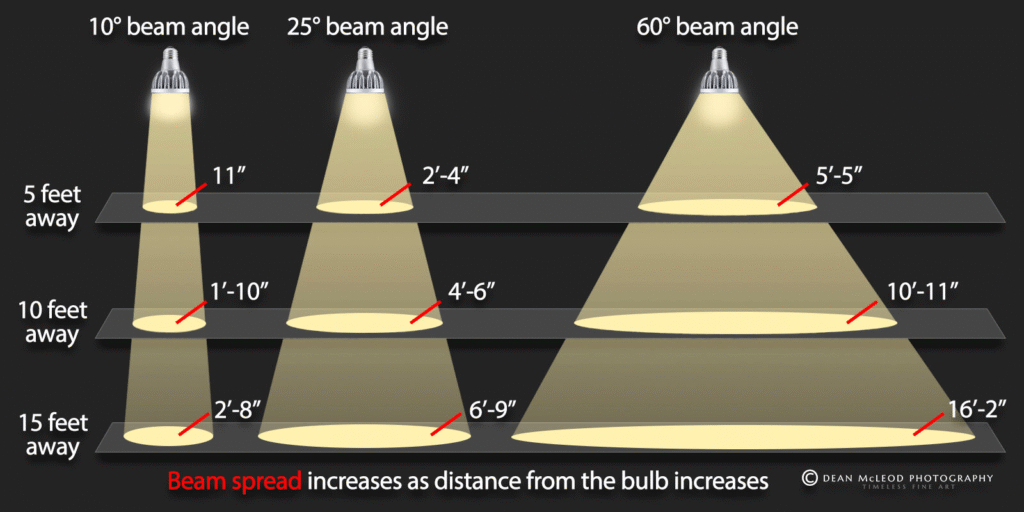
Beam angle decides whether the light is:
- Focused like a spotlight
- Or wide and soft across the room
Common beam angles:
- 24°–36° → Focused light (for art, shelves, décor)
- 60° → Balanced room lighting
- 90°–120° → Wide coverage
Imagine pouring water from a bottle.
A narrow beam angle = tight stream.
A wide beam angle = splash everywhere.
If you want general room lighting, choose a wider beam LED Downlight.
If you want to highlight something, choose narrow.
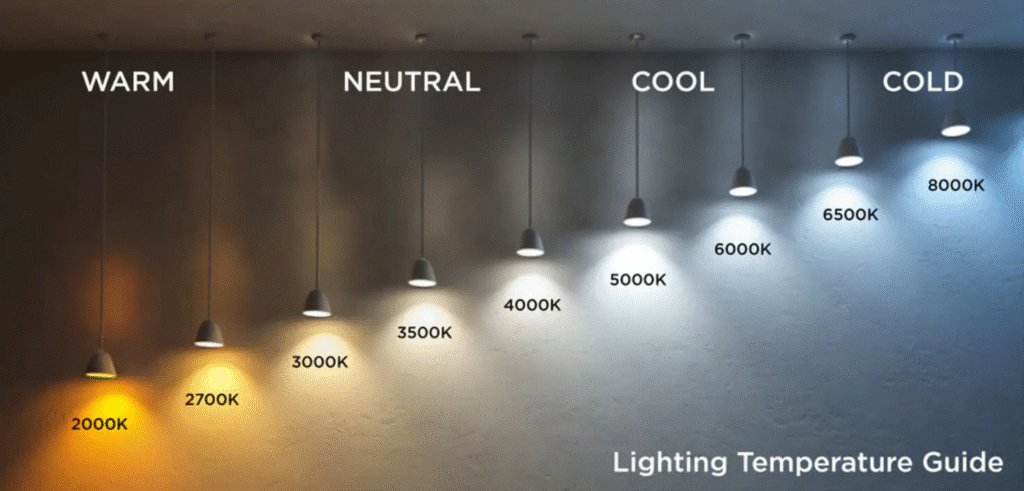
Let’s Make It Practical
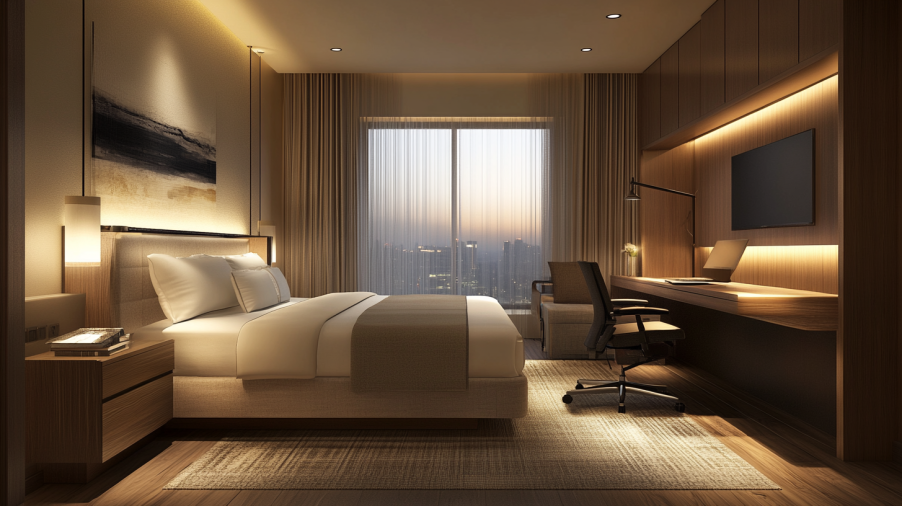
Example 1: Bedroom
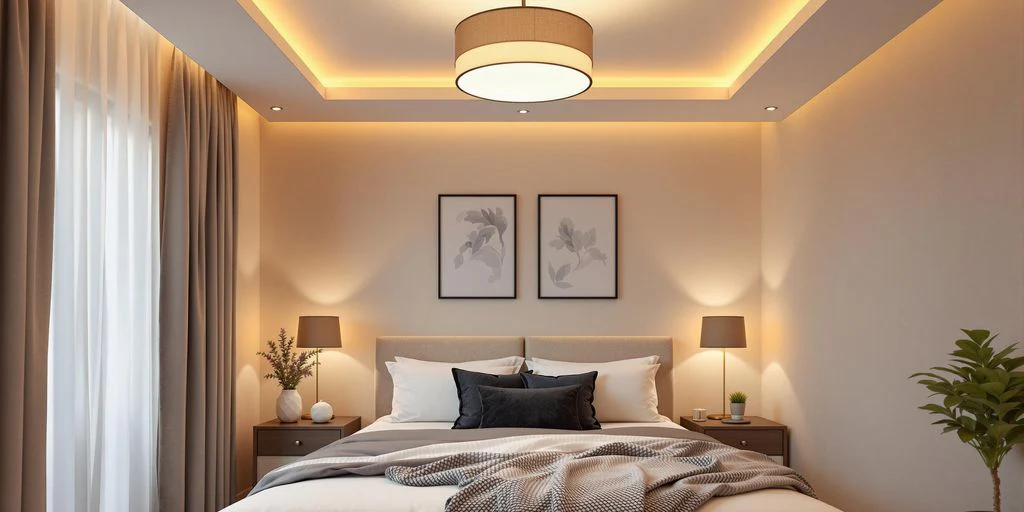
You want soft and comfortable.
Choose:
- 10W–12W
- 1000–1200 lumens
- 60°–90° beam
- 3000K warm white
Result? Cozy atmosphere.
Example 2: Kitchen
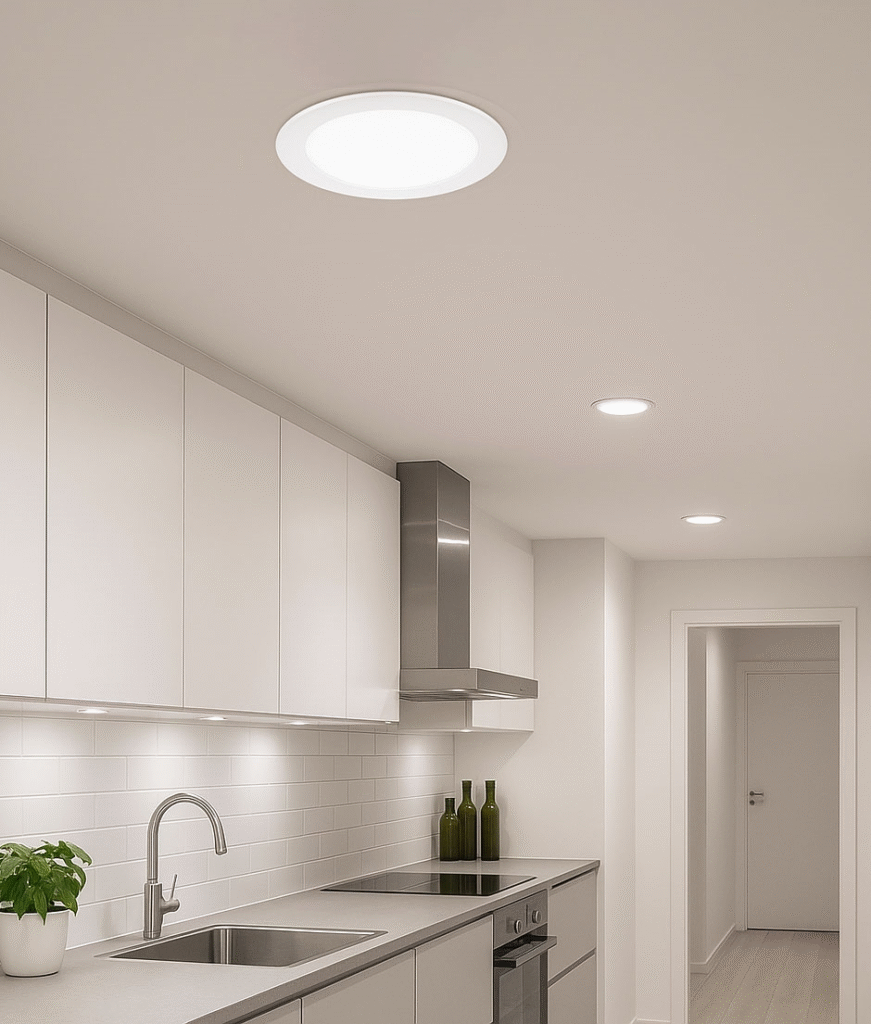
You need clarity.
Choose:
- 15W
- 1400+ lumens
- 60° beam
- 4000K neutral white
Result? Clear visibility for cooking.
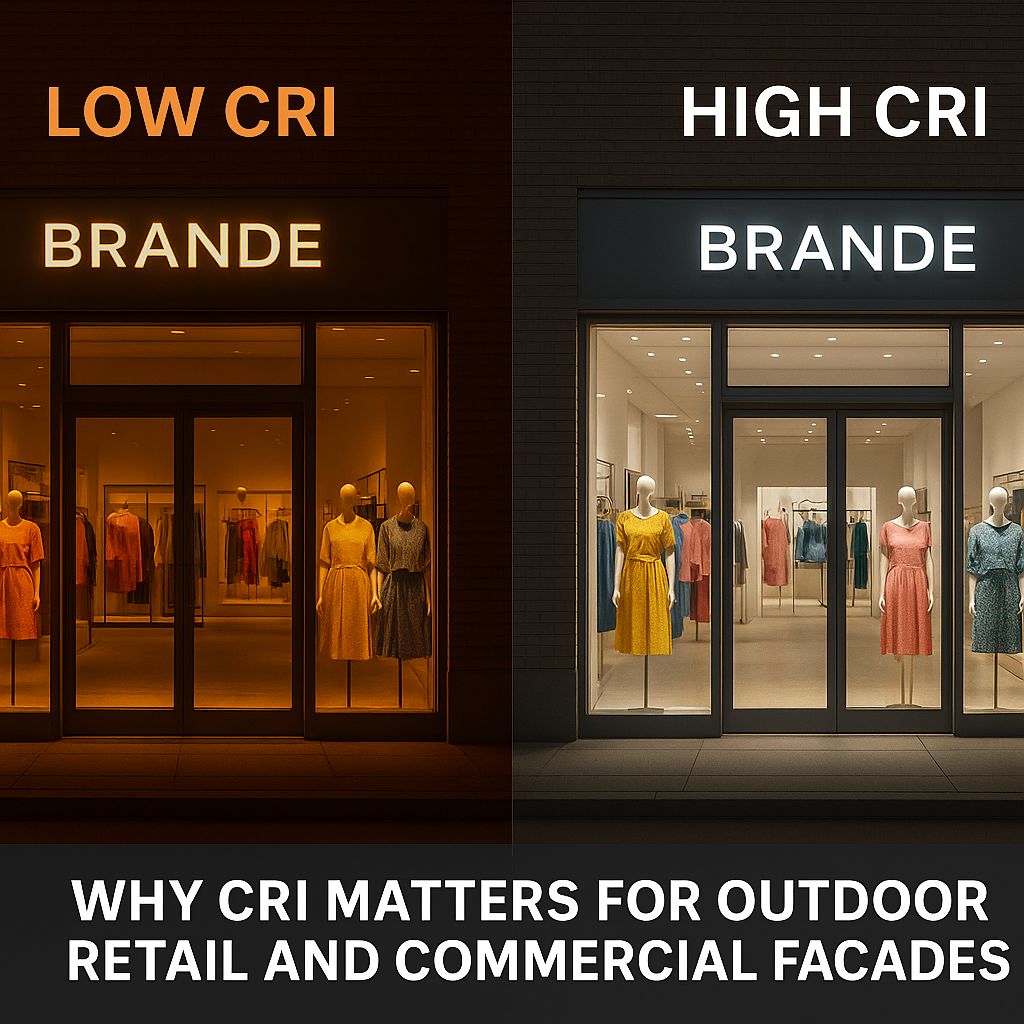
Example 3: Shop or Retail
You want products to stand out.
Choose:
- 18W–24W
- 1800+ lumens
- 36°–60° beam for focused areas
- 4000K
Result? Bright, professional look.
Don’t Forget Ceiling Height
Higher ceiling?
You need:
- Higher lumens
- Wider beam
- Slightly stronger LED Downlight
Standard ceiling (around 2.7m)?
Normal 10W–15W downlights are usually enough.
How Many LED Downlights Do You Need?
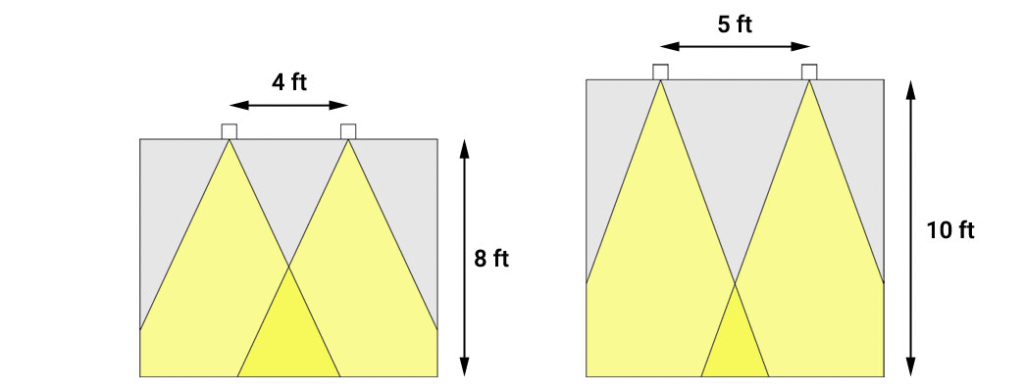
Simple spacing rule:
Distance between lights ≈ 1 to 1.5 times the ceiling height.
So if your ceiling is 3 meters:
Keep about 3 to 4 meters between fixtures.
This avoids:
- Dark corners
- Overlapping bright spots
Balanced placement matters as much as choosing the right LED Downlight.
Quality Makes a Big Difference
Two downlights may look the same on the outside.
But inside:
- Driver quality matters
- Heat dissipation matters
- Aluminum body lasts longer
Cheap fixtures may lose brightness quickly.
A good LED Downlight keeps stable light for years and saves more electricity long term.
Quick Checklist Before You Buy
Ask yourself:
- How big is the room?
- What is the ceiling height?
- Do I want soft or bright lighting?
- Is this for relaxing or working?
- What beam angle fits the purpose?
If you answer these five questions, choosing the right LED Downlight becomes easy.
Frequently Asked Questions
Is higher wattage always better?
No. Higher wattage means more electricity use, not necessarily more brightness.
What matters more, wattage or lumens?
Lumens. Always check lumens first.
What beam angle is best for living rooms?
Usually 60°–90° for even coverage.
Can LED Downlight reduce my electricity bill?
Yes. Compared to halogen lights, LED Downlight fixtures can reduce consumption by up to 70%.
Final Thoughts
Choosing the right LED Downlight is not complicated.
Remember three simple things:
- Wattage = power consumption
- Lumens = brightness
- Beam angle = light spread
When these three match your room, you get:
- Comfortable lighting
- Lower electricity bills
- Better overall atmosphere
Contact Falcon today to get a customized LED Downlight solution for your home or project.
🌐 Website: https://falcontgroup.com/
📞 Phone: 01001458515
Sources
- U.S. Department of Energy – LED Basics
https://www.energy.gov/eere/ssl - IES Lighting Handbook
https://www.ies.org - International Energy Agency – Lighting Efficiency
https://www.iea.org