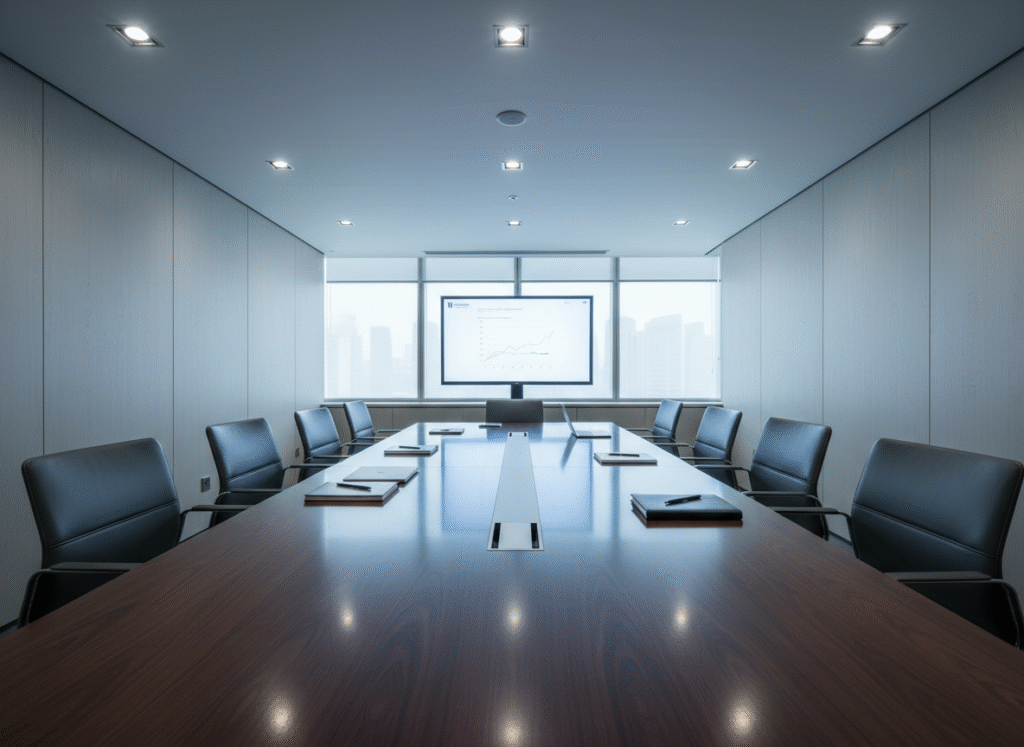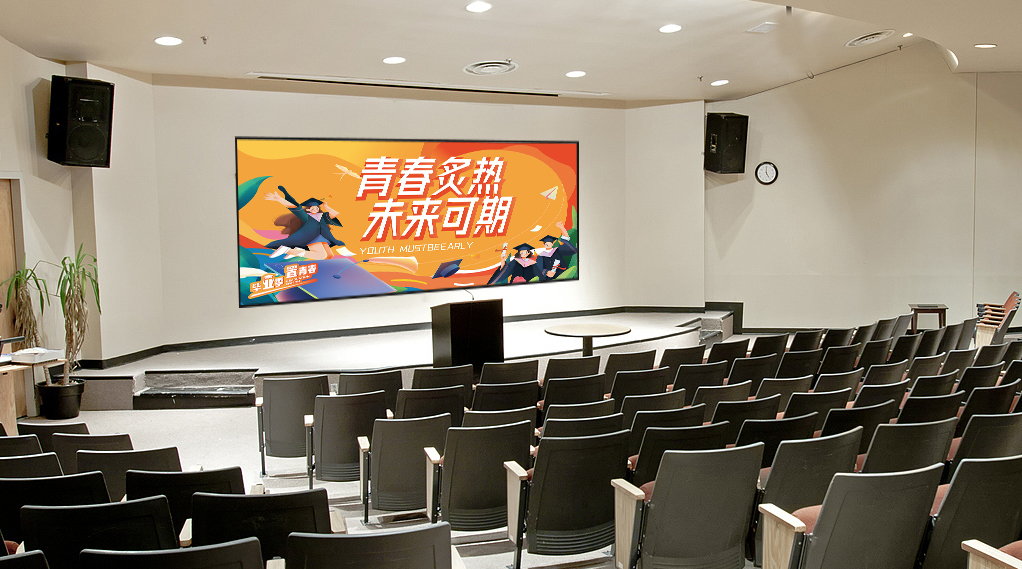
Lecture halls and auditoriums are among the most visually demanding spaces in educational and professional environments. These spaces must support clear communication, sustained attention, and visual comfort for large audiences over extended periods. Lighting, therefore, becomes a fundamental system rather than a secondary architectural feature. This is why LED Lighting for Lecture Halls has emerged as the most reliable and advanced solution for modern academic institutions, conference centers, and auditoriums.
Unlike conventional lighting systems, LED Lighting for Lecture Halls delivers precision, flexibility, and efficiency in a single integrated platform. It enhances visibility for students and presenters, improves engagement, and significantly reduces operational energy costs.
The Strategic Role of Lighting in Lecture Halls and Auditoriums

Lighting in lecture halls directly affects how information is perceived and retained. Students and attendees must clearly see presentation screens, instructors, written materials, and spatial movement across the stage. Inadequate lighting introduces glare, shadows, and uneven brightness, all of which negatively impact concentration.
By implementing LED Lighting for Lecture Halls, institutions create a visually stable environment where every seat receives balanced illumination. This consistency supports focus, minimizes distraction, and enhances the overall learning experience.
Visual Uniformity as a Foundation for Effective Learning
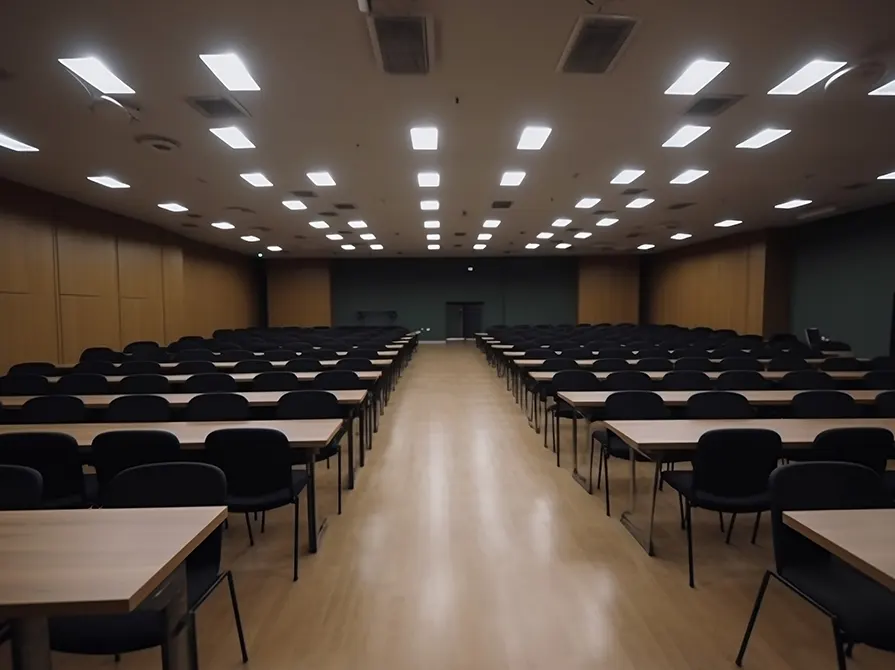
One of the most critical challenges in large lecture halls is uneven illumination. Traditional systems often over-light the front rows while leaving the rear seating under-lit.
LED Lighting for Lecture Halls addresses this issue through carefully calculated fixture placement and beam control.
Uniform illumination ensures that all attendees experience equal visual comfort, regardless of their position. This visual equality promotes inclusivity and supports consistent engagement across the entire audience.
Optimized Visibility for Presentation Screens and Teaching Surfaces

Modern lecture halls rely heavily on digital projection systems, LED screens, and interactive boards. Poor lighting design can wash out projected content or force the room into near darkness, reducing note-taking efficiency.
Advanced LED Lighting for Lecture Halls balances ambient and task lighting to maintain screen clarity while preserving sufficient brightness in seating areas. This balance enables seamless transitions between lectures, discussions, and multimedia presentations without visual disruption.
Visual Comfort and Reduction of Eye Fatigue
Lecture halls are frequently used for long sessions, including lectures, exams, conferences, and academic events. Extended exposure to glare, flicker, or poor contrast leads to eye strain and fatigue.
High-quality LED Lighting for Lecture Halls systems provide flicker-free illumination, controlled brightness, and effective glare reduction. These features significantly improve visual comfort, allowing audiences to remain attentive for longer periods without discomfort.
Advanced Optical Control and Light Distribution
Precision is a defining characteristic of LED Lighting for Lecture Halls. LED fixtures emit directional light, enabling designers to target specific functional zones such as:
- Seating areas
- Stages and podiums
- Writing boards and screens
- Aisles, steps, and exits
This targeted distribution minimizes light spill, reduces wasted energy, and ensures that illumination serves its intended purpose.
Adaptive Color Temperature for Multi-Functional Spaces
Lecture halls and auditoriums are increasingly used for diverse activities beyond traditional teaching. Different events require different lighting atmospheres.
With LED Lighting for Lecture Halls, color temperature can be adjusted to suit each function:
- Neutral white for lectures and examinations
- Cooler tones for technical or scientific presentations
- Warmer tones for panel discussions, ceremonies, and cultural events
This adaptability enhances comfort and allows a single space to serve multiple purposes effectively.
High Color Rendering for Accurate Visual Communication
Accurate color representation is essential for diagrams, charts, maps, and visual demonstrations. Poor color rendering can distort information and reduce comprehension.
High-CRI LED Lighting for Lecture Halls ensures that colors appear natural and consistent, supporting clear interpretation of visual content. This is particularly important in scientific, medical, and engineering lectures where color accuracy matters.
Intelligent Control Systems and Lighting Automation
Modern educational facilities increasingly adopt smart infrastructure.
LED Lighting for Lecture Halls integrates seamlessly with intelligent control systems that allow:
- Scene-based lighting presets
- Smooth dimming during presentations
- Synchronization with audio-visual equipment
- Scheduled operation to match usage patterns
These controls improve user experience while optimizing energy consumption and reducing operational costs.
Energy Efficiency and Long-Term Operational Savings
Lecture halls typically operate for many hours each day, making energy efficiency a critical concern.
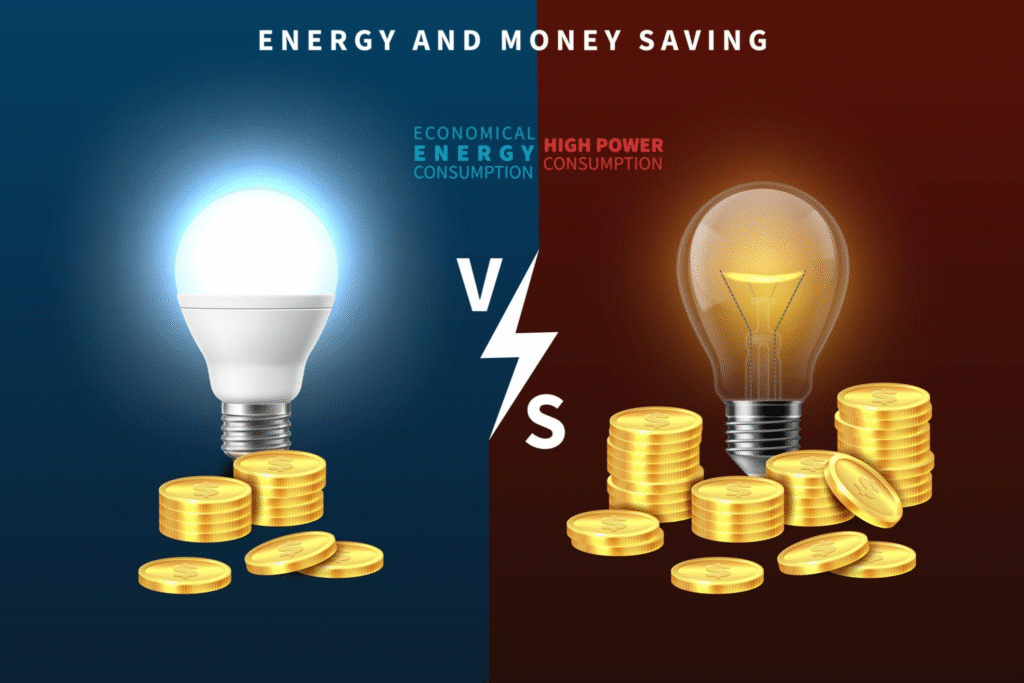
Compared to traditional lighting technologies, LED Lighting for Lecture Halls offers substantial reductions in energy use.
Key benefits include:
- Lower electricity consumption
- Reduced heat generation
- Decreased load on HVAC systems
- Extended fixture lifespan
These advantages translate into measurable cost savings and support institutional sustainability goals.
Safety, Accessibility, and Regulatory Compliance

Safety is a fundamental requirement in large public spaces.
LED Lighting for Lecture Halls enhances safety by ensuring:
- Clear illumination of aisles, stairs, and exits
- Reliable emergency lighting integration
- Stable performance during power transitions
- Compliance with international lighting standards
Well-lit circulation paths reduce the risk of accidents and support safe evacuation when required.
Applications Across Educational and Professional Facilities
University Lecture Theaters
Support daily academic activities with stable, comfortable, and efficient lighting.
Conference and Convention Auditoriums
Enable flexible lighting scenes for keynote speeches, panel discussions, and multimedia events.
Training and Seminar Halls
Enhance clarity and focus during professional development programs.
Multi-Purpose Academic Spaces
Adapt lighting easily for lectures, examinations, performances, and public events.
In all these settings, LED Lighting for Lecture Halls delivers consistent performance and adaptability.
Design Principles for Optimal LED Lighting for Lecture Halls
Successful implementation depends on careful planning and coordination. Key considerations include:
- Seating geometry and sightlines
- Ceiling height and fixture spacing
- Balance between ambient, task, and accent lighting
- Integration with AV and acoustic systems
- Architectural and aesthetic requirements
When these elements align, LED Lighting for Lecture Halls performs at its highest potential.
Emerging Trends in Lecture Hall LED Lighting
The future of LED Lighting for Lecture Halls is shaped by innovation and digital integration:
- Human-centric lighting that supports circadian rhythms
- AI-driven lighting control and optimization
- Modular fixtures for flexible space reconfiguration
- Integration with smart campus management systems
These trends aim to further enhance learning environments while maximizing efficiency and user comfort.
Conclusion
Lecture halls and auditoriums demand lighting systems that support visibility, comfort, flexibility, and efficiency.
Through precise control, visual uniformity, and intelligent operation, LED Lighting for Lecture Halls meets these demands and sets a new standard for educational and presentation spaces.
By investing in advanced LED solutions, institutions can improve engagement, reduce operational costs, and create environments that truly support learning and communication.
Sources:
- Illuminating Engineering Society (IES)
- U.S. Department of Energy – Solid State Lighting
- International Commission on Illumination (CIE)