🔷 Illuminating the Future: An Introduction to Laboratory Lighting Systems
In the high-stakes world of scientific research and testing, Laboratory Lighting Systems play a crucial role at the intersection of precision and safety.
From delicate measurements to hazardous procedures, the laboratory environment demands lighting that is not only bright—but smart, accurate, and reliable.
In this article, we explore how Laboratory Lighting Systems can elevate both the precision of experiments and the safety of personnel by 2025 standards.
🔬 1. Why Precision Matters in Laboratory Lighting Systems
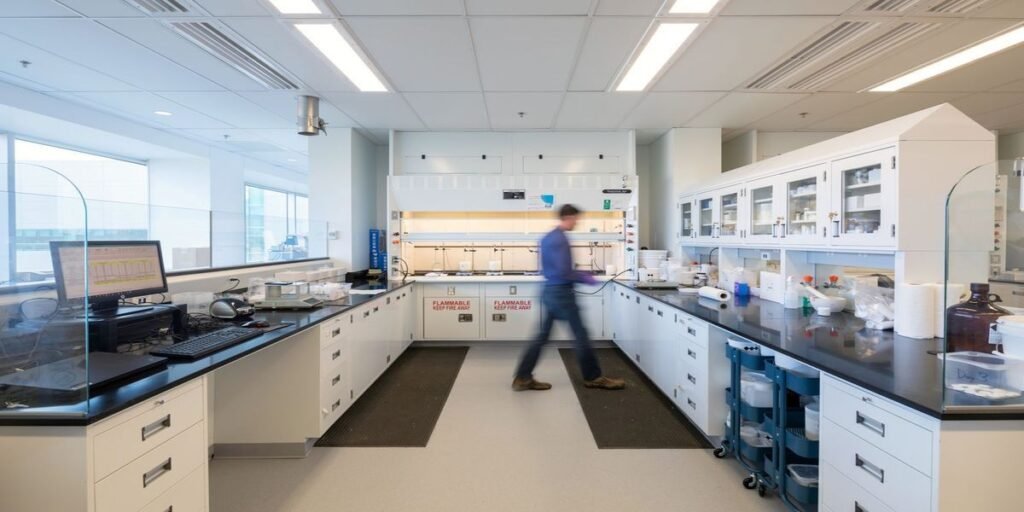
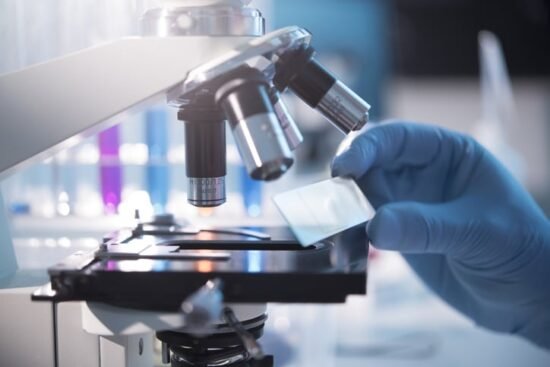
- Specialized lab tasks (microscopy, pipetting, colorimetric analyses) require lighting that reveals fine details clearly.
- Proper colour rendering and consistent illumination are essential to avoid mis-interpretation of samples or readings.
- Inconsistent lighting (shadows, glare, poor brightness) increases error risk and undermines results.
- Designing layered task and ambient lighting contributes to researcher eye comfort and productivity.
Key takeaway: Laboratory Lighting Systems must deliver high-quality, uniform light that supports the exacting requirements of scientific work.
🧪 2. How Safety Is Enhanced via Laboratory Lighting Systems
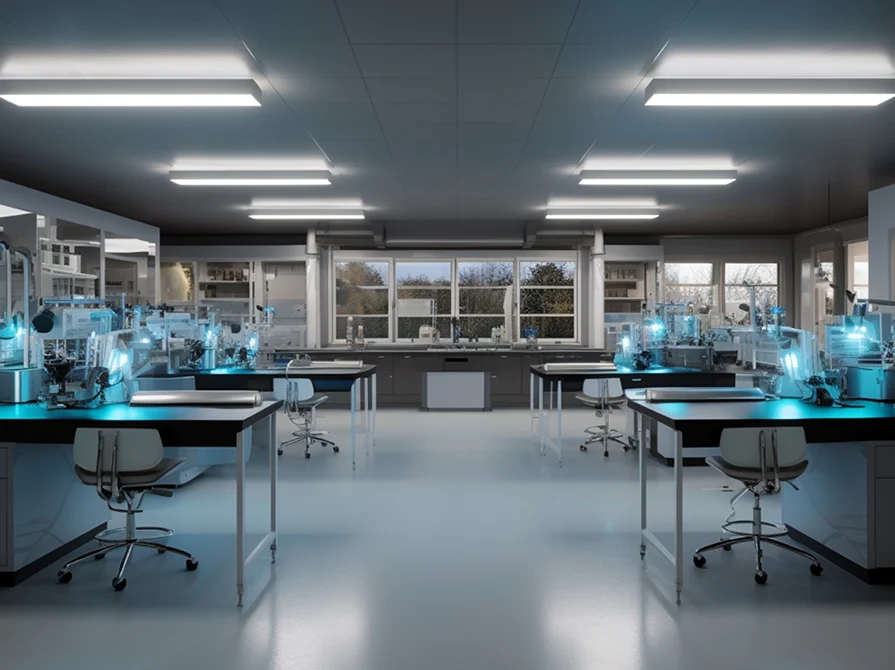
- Safety in laboratories is directly linked to visibility: hazards such as spills, broken glassware, or chemical reactions must be clearly visible.
- Emergency lighting and backup systems are critical for continuous safety during power loss.
- Lighting fixtures often need IP65 ratings to withstand dust, moisture, and chemical exposure.
Key takeaway: A well-designed Laboratory Lighting System protects personnel and processes—not just illuminates them.
💡 3. Core Elements of Effective Laboratory Lighting Systems

| Element | Why it matters | Typical guideline |
|---|---|---|
| Illuminance levels | Ensures enough light for the task | 300 lux for general, 500+ lux for bench work, 750-1000 lux for critical tasks. |
| Colour Rendering Index (CRI) | Accurate colour perception for samples/tests | High CRI lighting preferred. |
| Glare and shadow control | Reduces eye-strain and mis-reads | Position fixtures and use diffusers appropriately. |
| Task vs Ambient lighting | Supports general illumination and focused work | Balanced layered lighting. |
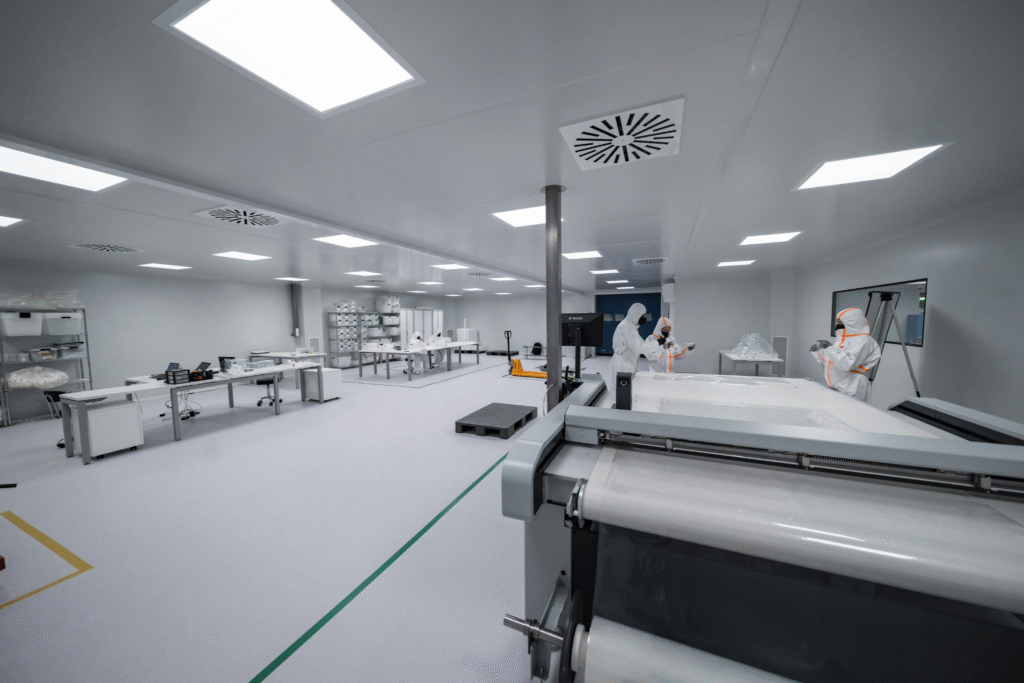
| Cleanroom / lab-rugged fixtures | Handles lab-specific hazards | Fixtures with high IP ratings. |
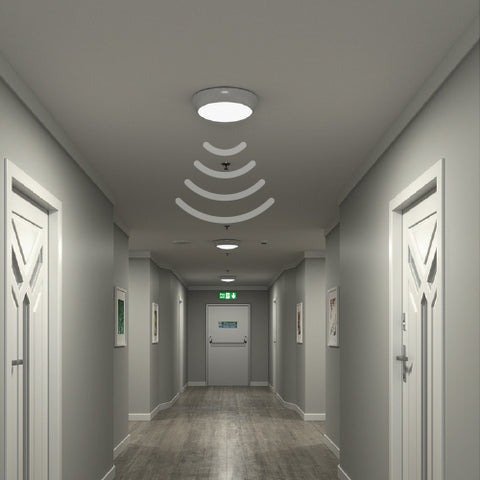
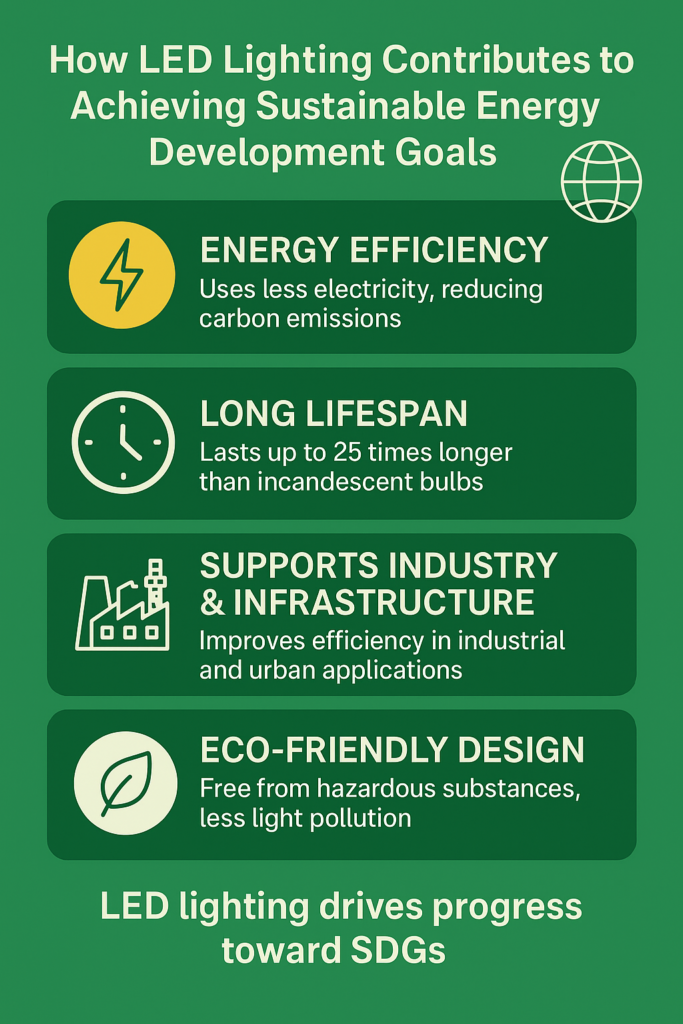
| Energy & control systems | Reduces cost and supports flexibility | LED, occupancy sensors, daylight integration. |
⚙️ 4. Best Practices & Recommendations for 2025
- Choose high-efficiency LED lighting with high CRI and controlled glare.
- Segment lighting: ensure specific tasks (e.g., microscopes, benches) have dedicated task-lighting.
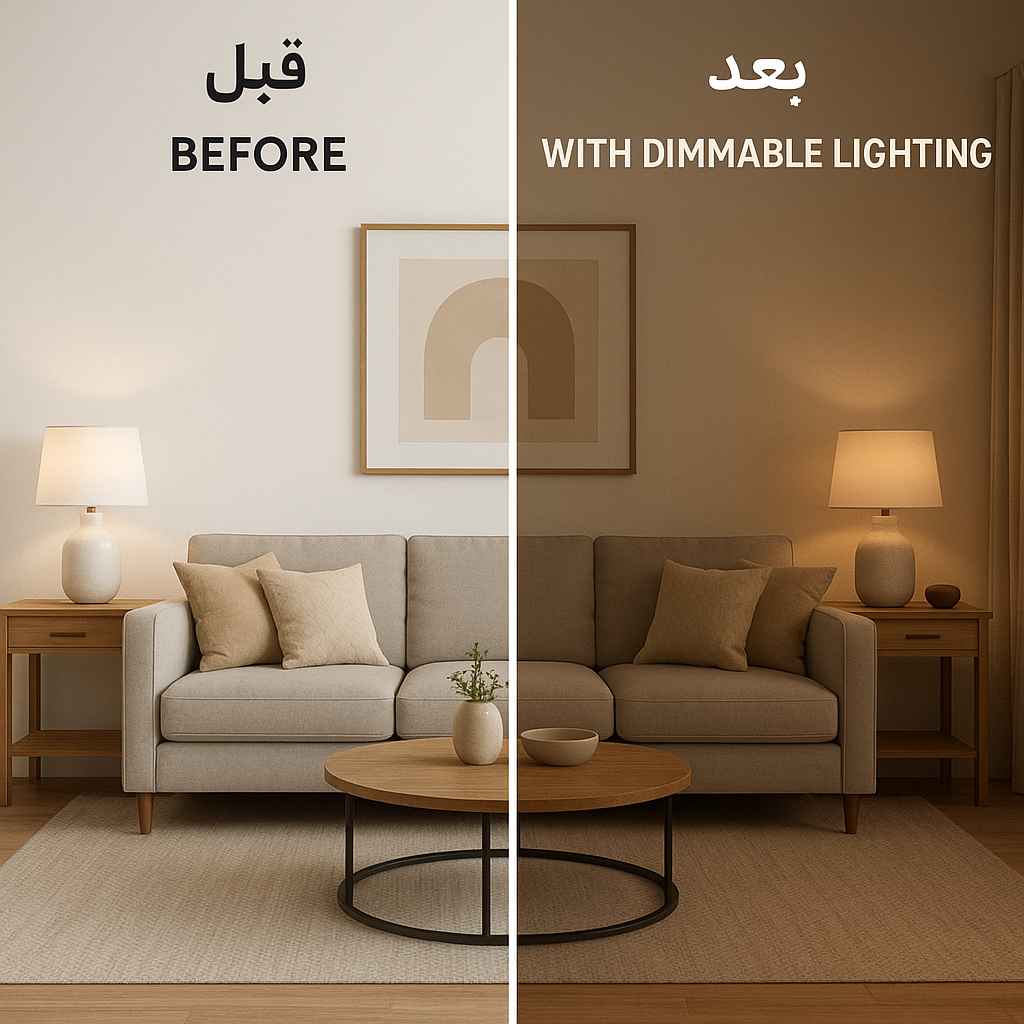
- Incorporate smart control systems (dimmers, occupancy and daylight sensors).
- Ensure fixtures are lab-rated and easy to clean.
- Maintain consistent light levels through routine cleaning and replacement.
- Consider human-centric lighting to support alertness and reduce fatigue.
❓ Expert Insights: Frequently Asked Questions about Laboratory Lighting Systems
Q1: What is the ideal colour temperature for a laboratory?
A1: A cooler white light (around 4000 K to 5000 K) provides good contrast and colour accuracy.
Q2: Is standard office lighting sufficient for laboratories?
A2: No. Lab work requires higher brightness, better CRI, and task-specific lighting.
Q3: How can lighting reduce energy consumption in labs?
A3: Efficient LEDs and control systems can cut energy use by up to 25%, lowering both cost and carbon impact.
Q4: What safety risks arise from poor laboratory lighting?
A4: Poor lighting can hide hazards, distort readings, and cause eye strain, leading to accidents or data errors.
💼 Partner with Falcon Group for Smarter, Safer Laboratory Lighting Solutions
If you’re ready to upgrade your laboratory lighting for greater precision, safety, and sustainability, Falcon Group is here to help.
We design and implement Laboratory Lighting Systems tailored to the latest global standards.
🌐 Visit us at https://falcontgroup.com/
📞 Call us at 01001458515
🔗 Sources & Further Reading
- Westlab – Role of Laboratory Lighting Fixtures for Better Scientific Research
- Kewaunee – Importance of Lighting in Laboratory Environments
- PSA Laboratory Furniture – Importance of Proper Lighting Systems in Your Laboratory
- ETA Lab – Efficient Electrical Lighting for Laboratories
- Prilux – Lighting in Laboratories and Clean Rooms
- Innova Design Group – Illuminating Your Lab: The Importance of Proper Lighting