Energy inflation, aging infrastructure, and sustainability regulations are placing serious pressure on city budgets.
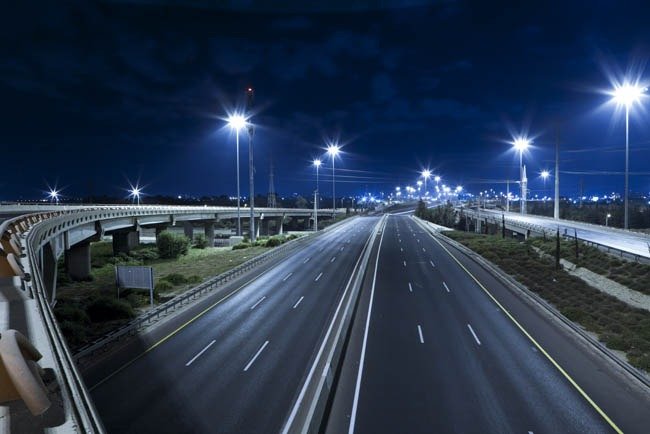
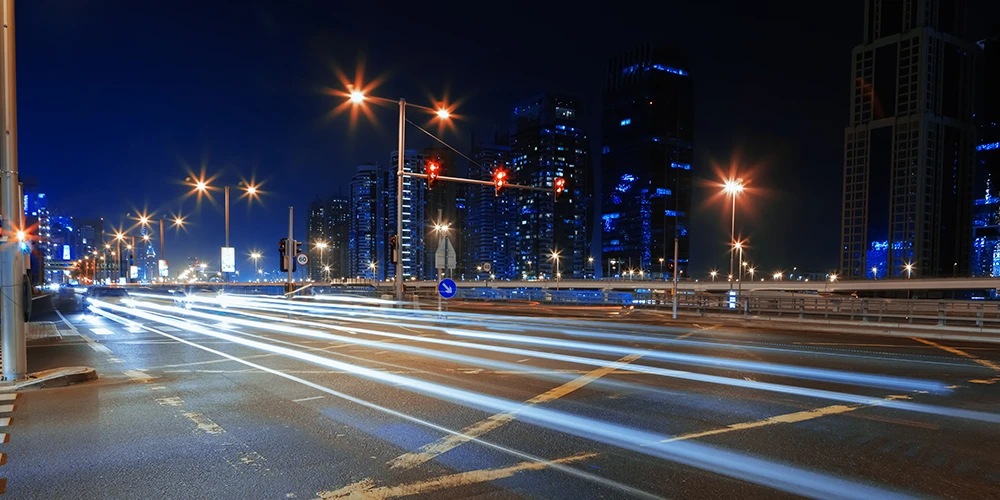
In many regions, street lighting accounts for 30% to 50% of total municipal electricity consumption.
Controlling Public Lighting Costs for Municipalities is no longer a technical upgrade. It is a financial strategy.
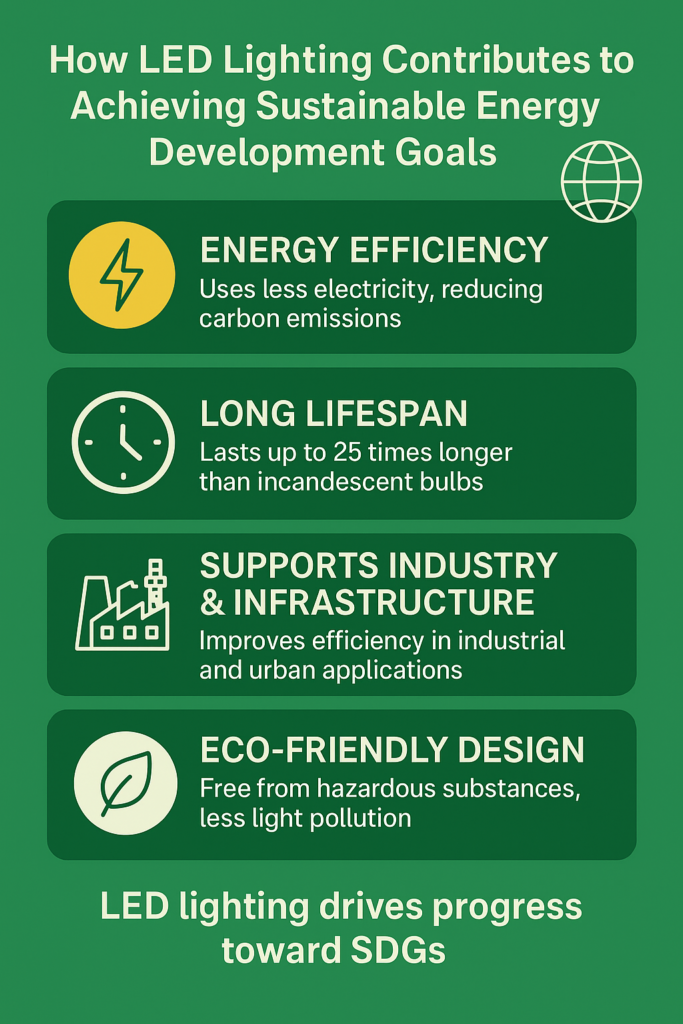
LED lighting has become the most effective tool for reducing operational and lifecycle expenses while maintaining safety and compliance.
Why Public Lighting Costs for Municipalities Are Rising
Several structural factors are increasing expenses:
- Higher electricity tariffs worldwide
- Outdated high-pressure sodium systems
- Short lamp replacement cycles
- Reactive maintenance models
- Inefficient optical distribution
According to the U.S. Department of Energy, LED street lighting can reduce energy use by 50% or more compared to legacy systems. Without modernization, Public Lighting Costs for Municipalities continue increasing annually.
1️⃣ Energy Efficiency Delivers Immediate Savings
Traditional 250W high-pressure sodium lamps are commonly replaced with 100–120W LED fixtures.
This results in:
- 50–70% lower electricity consumption
- Reduced peak demand charges
- Lower carbon emissions
Example:
If a municipality operates 10,000 streetlights:
- 250W × 10,000 = 2.5 MW load
- 120W × 10,000 = 1.2 MW load
That is a 1.3 MW reduction in connected load.
Energy reduction is the fastest way to reduce Public Lighting Costs for Municipalities.
(Source: U.S. DOE Solid State Lighting Program)
2️⃣ Extended Lifespan Reduces Replacement Cycles
High-pressure sodium lamps typically last:
- 10,000–20,000 hours
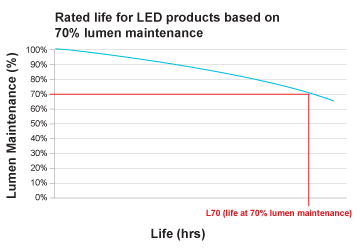
LED street fixtures commonly reach:
- 50,000–100,000 hours (L70 standard)
This reduces:
- Labor hours
- Bucket truck usage
- Road closure disruptions
- Inventory management costs
Longer service intervals significantly stabilize Public Lighting Costs for Municipalities over a 10-year period.
(Source: IES LM-80 & TM-21 testing standards)
3️⃣ Smart Controls Optimize Real-Time Consumption
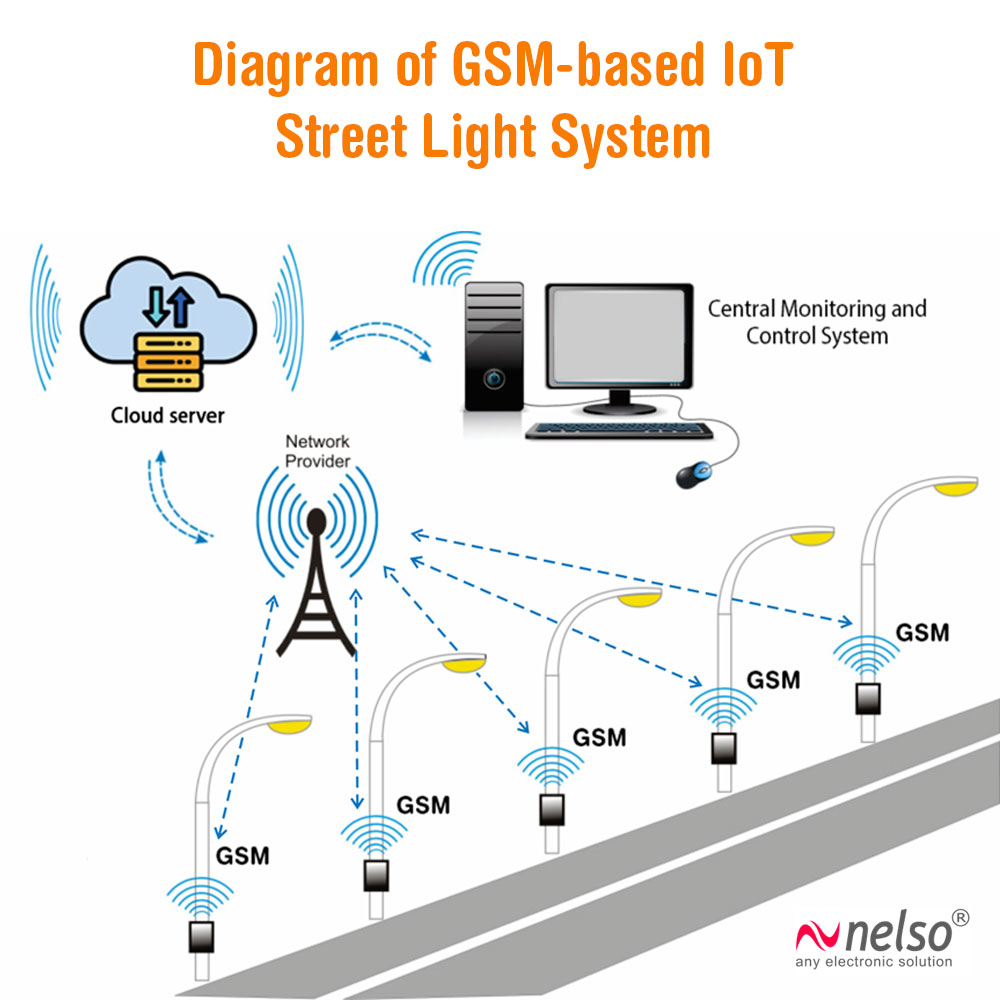
Modern LED systems allow:
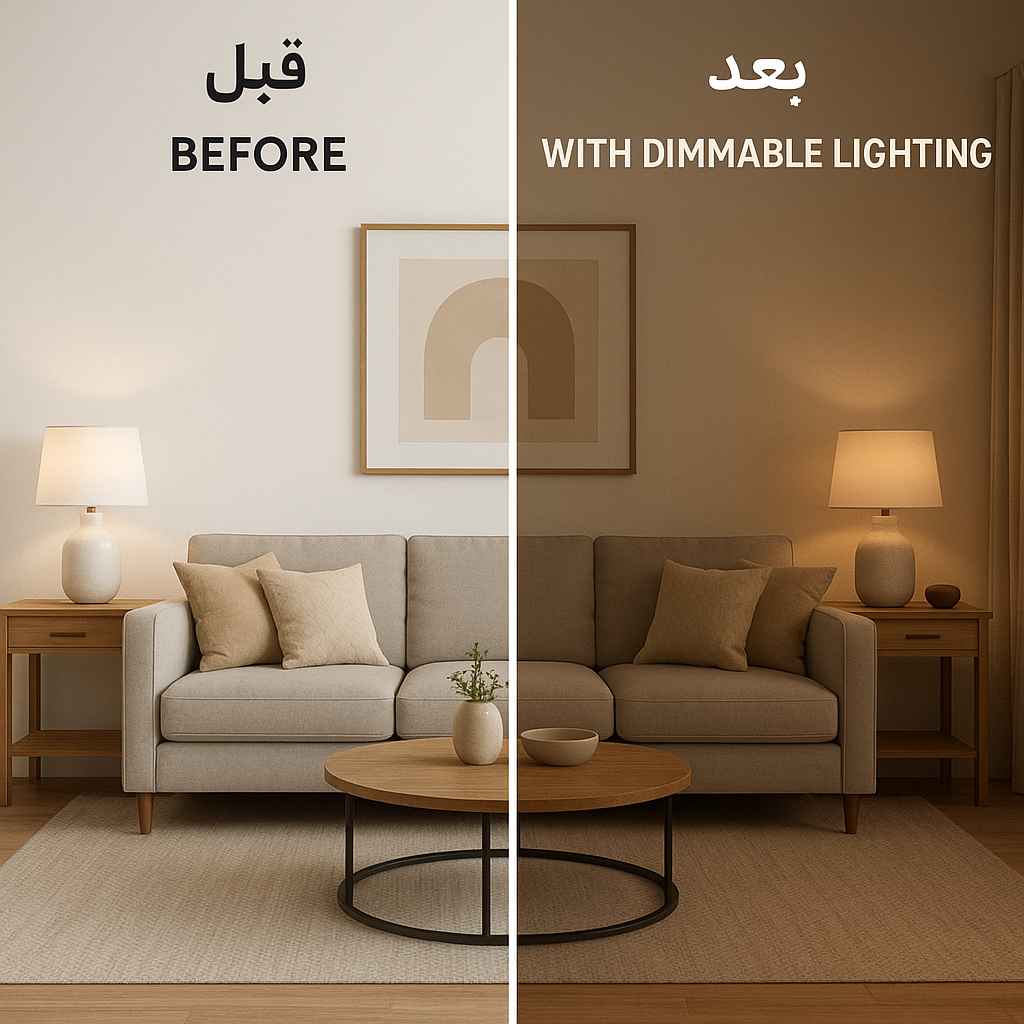
- Adaptive dimming
- Traffic-based light levels
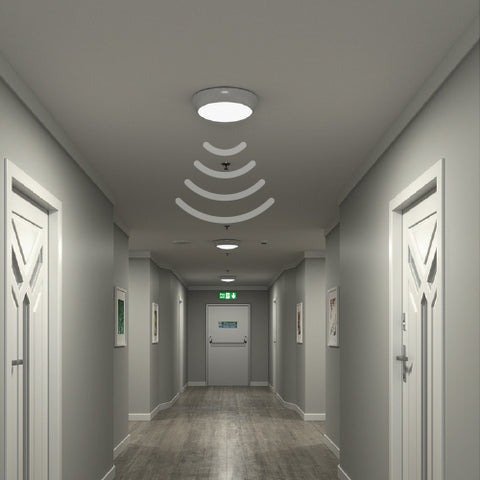
- Centralized monitoring
- Fault detection alerts
Studies from the International Energy Agency show that adaptive dimming can reduce energy consumption by an additional 10–25%.
Smart systems transform static lighting networks into dynamic infrastructure and further reduce Public Lighting Costs for Municipalities.
4️⃣ Improved Optical Efficiency Eliminates Over-Lighting
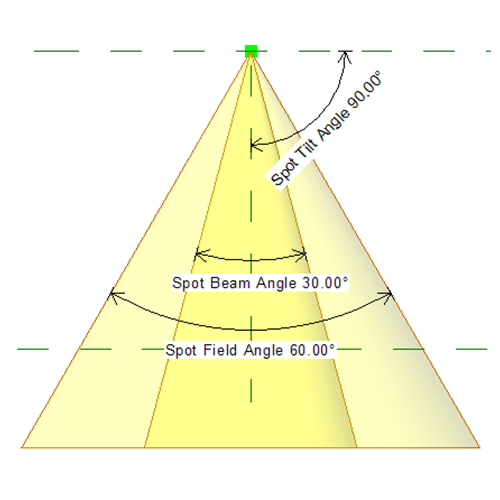
LED optics provide precise beam control.
This means:
- Lower wattage required per pole
- Uniform road luminance
- Reduced glare
- Improved pedestrian safety
Professional photometric planning ensures municipalities do not over-install or over-power fixtures.
Correct optical design directly impacts long-term Public Lighting Costs for Municipalities.
(Source: IES Lighting Handbook)
5️⃣ Thermal Engineering Reduces Failure Rates
High ambient temperatures shorten driver and component lifespan.
Fixtures rated for:
- -30°C to +60°C
- Outdoor IP66 protection
- Corrosion-resistant housing
Reduce early failure rates.
Thermal stability lowers emergency maintenance calls and protects capital investment.
Well-engineered systems help municipalities maintain predictable Public Lighting Costs for Municipalities year after year.
6️⃣ Power Factor and Grid Stability Improvements
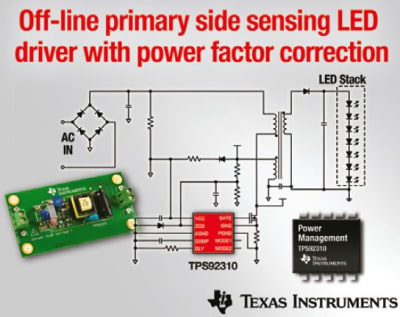
High-efficiency LED drivers often operate with:
- Power factor above 0.95
- Reduced harmonic distortion
- Lower reactive losses
This improves transformer efficiency and reduces distribution stress.
Electrical optimization contributes indirectly but meaningfully to controlling Public Lighting Costs for Municipalities.
7️⃣ Solar and Hybrid Infrastructure Expansion
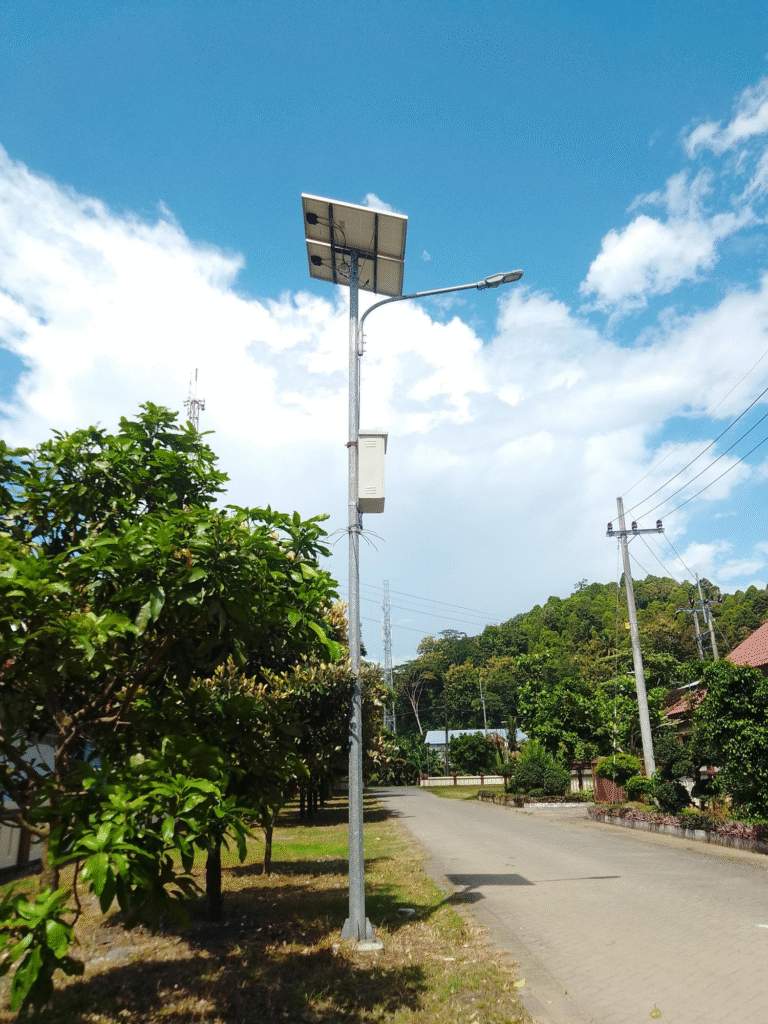
In rural or remote areas, municipalities can deploy:
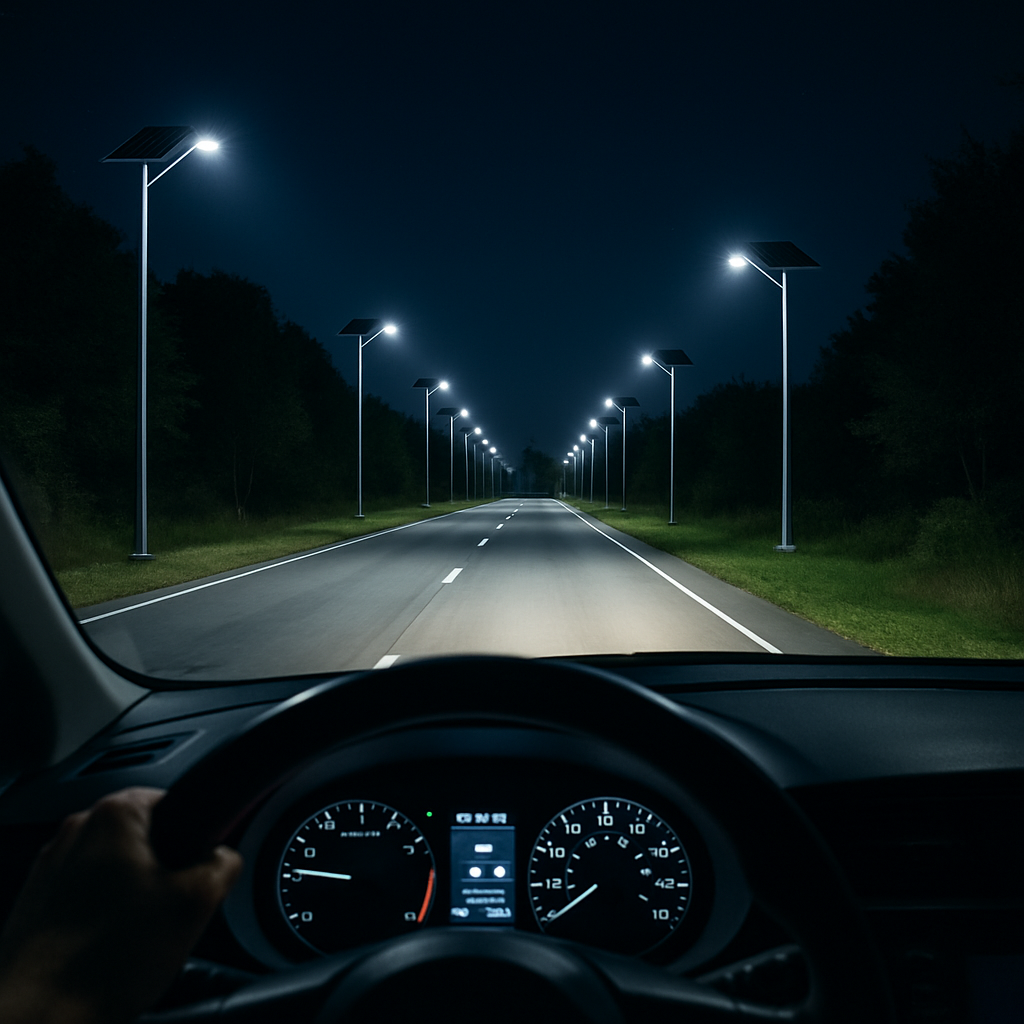
- Solar LED streetlights
- Hybrid grid-battery systems
Advantages include:
- Eliminated energy bills in isolated zones
- Reduced trenching and cabling costs
- Faster deployment
These systems provide long-term control over Public Lighting Costs for Municipalities, especially where grid expansion is expensive.
(Source: World Bank Energy Efficient Street Lighting Programs)
Lifecycle Cost Perspective
Initial LED investment is higher than traditional lamps.
However:
- Energy savings often generate ROI within 3–5 years
- Maintenance savings accumulate over 10+ years
- Carbon reduction may unlock sustainability funding
Lifecycle cost analysis consistently shows lower total ownership cost when municipalities modernize lighting networks.
Engineering Standards That Matter
When selecting LED systems for municipal use, cities should verify:
- LM-80 lumen maintenance testing
- TM-21 lifetime projection
- IP rating (IP65/IP66 minimum)
- IK impact resistance rating
- Operating temperature range
Proper specification reduces technical risk and protects Public Lighting Costs for Municipalities from unexpected failures.
Role of Engineered Lighting Solutions
Municipal projects require durability and predictable performance.
Street lighting systems designed with:
- High-efficiency drivers
- Advanced aluminum heat dissipation
- Corrosion-resistant housing
- Wide operating temperature tolerance
Support stable operation in harsh climates.
Engineered LED solutions designed for infrastructure use help municipalities maintain long-term cost control without increasing maintenance burdens.
Frequently Asked Questions
How much can LED reduce Public Lighting Costs for Municipalities?
Energy savings typically range from 50% to 70%, depending on system design.
Is the ROI period realistic?
Yes. Most LED retrofits achieve return on investment within 3 to 5 years.
Are smart controls necessary?
They are not mandatory, but they significantly increase cost optimization potential.
Do LEDs require less maintenance?
Yes. Longer lifespan dramatically reduces replacement frequency and labor costs.
Conclusion
Reducing Public Lighting Costs for Municipalities requires a structured, data-driven strategy.
LED technology delivers measurable benefits through:
- Energy efficiency
- Reduced maintenance
- Smart management
- Improved reliability
Municipalities that modernize their lighting infrastructure achieve stronger financial stability and more sustainable public services.
Contact Falcon today to get a customized solution that fits your municipal project needs.
🌐 Website: https://falcontgroup.com/
📞 Phone: 01001458515
Sources
- U.S. Department of Energy – Solid State Lighting
- International Energy Agency – Energy Efficient Lighting
- IES Lighting Handbook & LM-80 Standard
- World Bank – Energy Efficient Street Lighting Programs