Lighting systems have evolved far beyond manual switches and fixed schedules. As buildings become smarter and energy efficiency becomes a global priority, automated lighting solutions are rapidly replacing conventional systems. Among these solutions, Sensor Lights stand out as one of the most practical and widely adopted technologies in residential, commercial, and industrial environments.
The growing interest in Sensor Lights raises a critical question: are Sensor Lights truly worth the investment, or are they simply a convenience feature with limited impact? To answer this, it is necessary to examine how Sensor Lights operate, compare their different types, and analyze their real-world applications and long-term value.
How Sensor Lights Operate in Modern Lighting Systems
Sensor Lights are lighting fixtures equipped with integrated sensors that control illumination automatically. Instead of relying on human interaction, Sensor Lights respond to environmental conditions such as movement, occupancy, or surrounding light levels.
The operating logic of Sensor Lights is simple but effective. When the sensor detects a predefined trigger, the light turns on. When that trigger disappears, the Sensor Lights turn off or dim. This automated behavior ensures that lighting is used only when required, reducing waste and improving efficiency.
Modern Sensor Lights often combine more than one sensing method to improve accuracy and reliability, especially in demanding environments.
Why Sensor Lights Are Increasingly Preferred
The popularity of Sensor Lights is driven by tangible benefits rather than technological novelty. Sensor Lights help reduce energy consumption, eliminate lights being left on unintentionally, and support sustainability goals.
Key reasons for adopting Sensor Lights include:
- Reduced electricity usage
- Lower operating costs
- Improved safety and visibility
- Hands-free operation
- Extended fixture lifespan
In spaces with irregular occupancy patterns, Sensor Lights provide a level of control that manual lighting systems cannot match.
Main Types of Sensor Light and Their Characteristics
Understanding the different types of Sensor Lights is essential when evaluating their suitability for specific applications.
Motion-Based Sensor Light
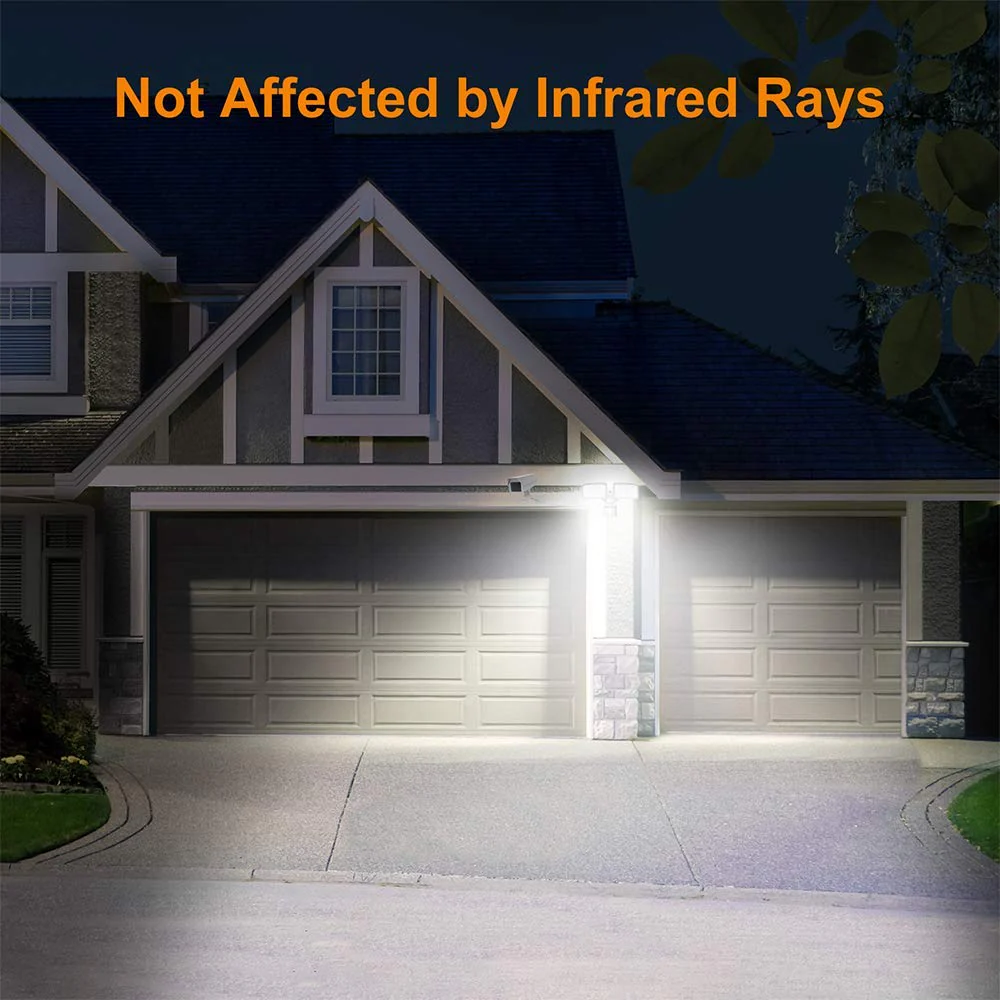
Motion-based Sensor Lights activate when physical movement is detected within a defined area. These Sensor Light typically use infrared or microwave technology to sense changes caused by moving objects.
Motion Sensor Lights are highly effective in areas with intermittent activity such as corridors, entrances, and parking spaces. By operating only when movement is detected, these Sensor Lights significantly reduce unnecessary energy use.
However, in spaces where occupants remain stationary for long periods, motion-based Sensor Light may turn off unintentionally if not properly configured.
Occupancy Sensor Light

Occupancy Sensor Light focus on detecting the presence of people rather than simple movement. These Sensor Light remain active as long as the space is occupied, even when movement is minimal.
Occupancy Sensor Lights are commonly used in offices, classrooms, meeting rooms, and restrooms. They provide a balance between comfort and efficiency, making them one of the most widely used forms of Sensor Light in commercial buildings.
Daylight Sensor Light
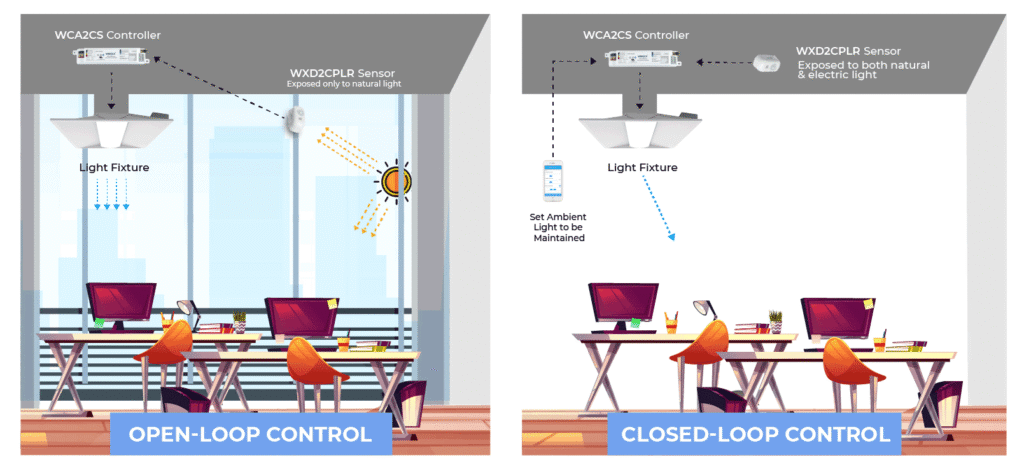
Daylight Sensor Light respond to ambient light levels rather than human presence. When natural daylight is sufficient, these Sensor Light reduce artificial lighting output or turn it off completely.
In large commercial facilities, daylight-responsive Sensor Lights play a major role in reducing energy consumption while maintaining consistent visual conditions. These Sensor Light are especially effective in spaces with windows or skylights.
Microwave Sensor Light
Microwave Sensor Light emit low-power microwave signals and detect movement based on signal reflection. Unlike infrared-based Sensor Light, they can detect motion through certain materials such as glass or thin walls.
Because of their wide detection range, microwave Sensor Light are often used in warehouses, industrial facilities, and outdoor environments. Proper calibration is essential to prevent false activation.
Dual-Technology Sensor Light
Dual-technology Sensor Light combine two sensing methods, commonly infrared and microwave detection. These Sensor Light activate only when both sensors confirm movement or occupancy.
This approach significantly reduces false triggers and improves reliability. Although dual-technology Sensor Light typically have a higher initial cost, they are ideal for high-traffic and security-sensitive environments.
Applications of Sensor Light Across Different Environments
Residential Use of Sensor Light
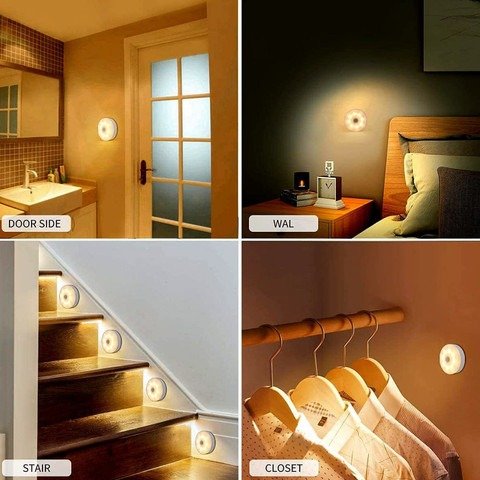
In residential settings, Sensor Light are widely installed in hallways, staircases, bathrooms, garages, and outdoor entrances. These Sensor Light improve safety at night, reduce energy waste, and provide convenient hands-free operation.
Commercial Applications of Sensor Light
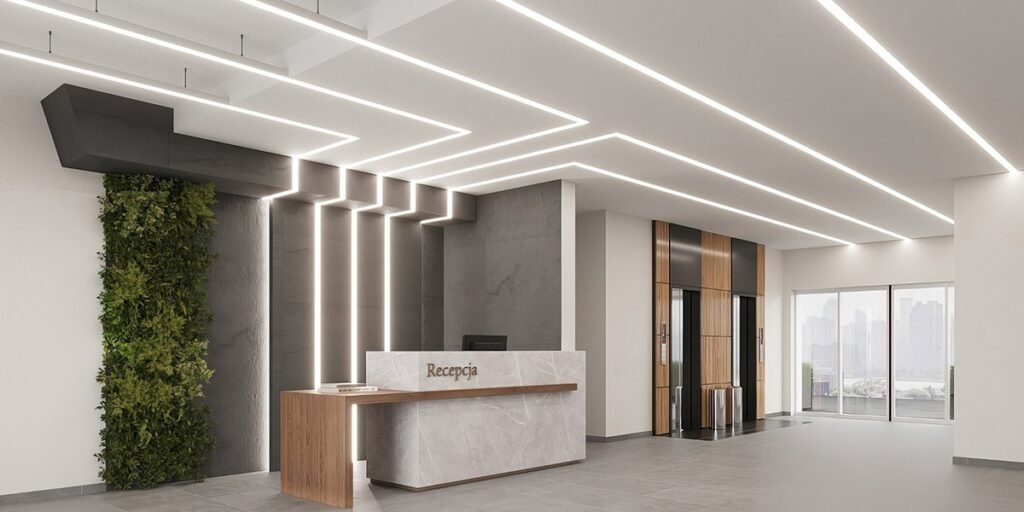
Commercial buildings rely on Sensor Light to manage lighting in corridors, meeting rooms, storage areas, and parking facilities. By using Sensor Light, businesses can significantly lower operational costs while ensuring adequate illumination whenever spaces are occupied.
Industrial Applications of Sensor Light
In industrial environments, Sensor Light support both safety and efficiency. Warehouses, production zones, and loading areas use Sensor Light to ensure visibility only when activity is present, minimizing energy use during idle periods.
Outdoor and Public Applications of Sensor Light
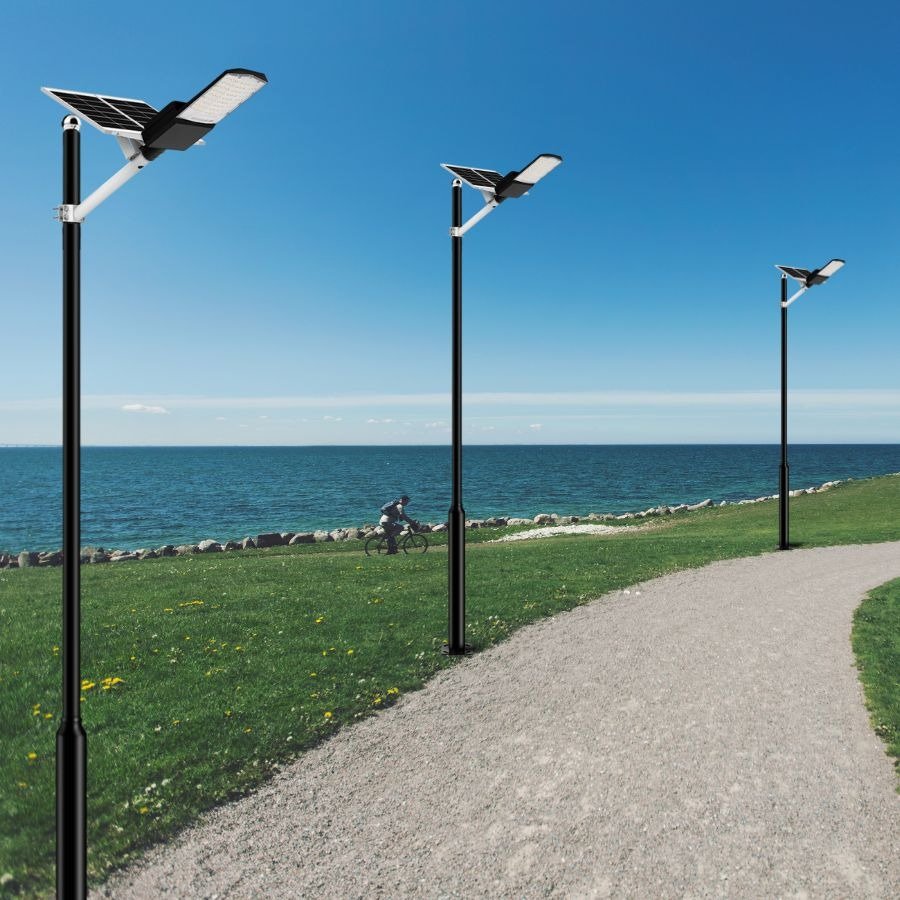
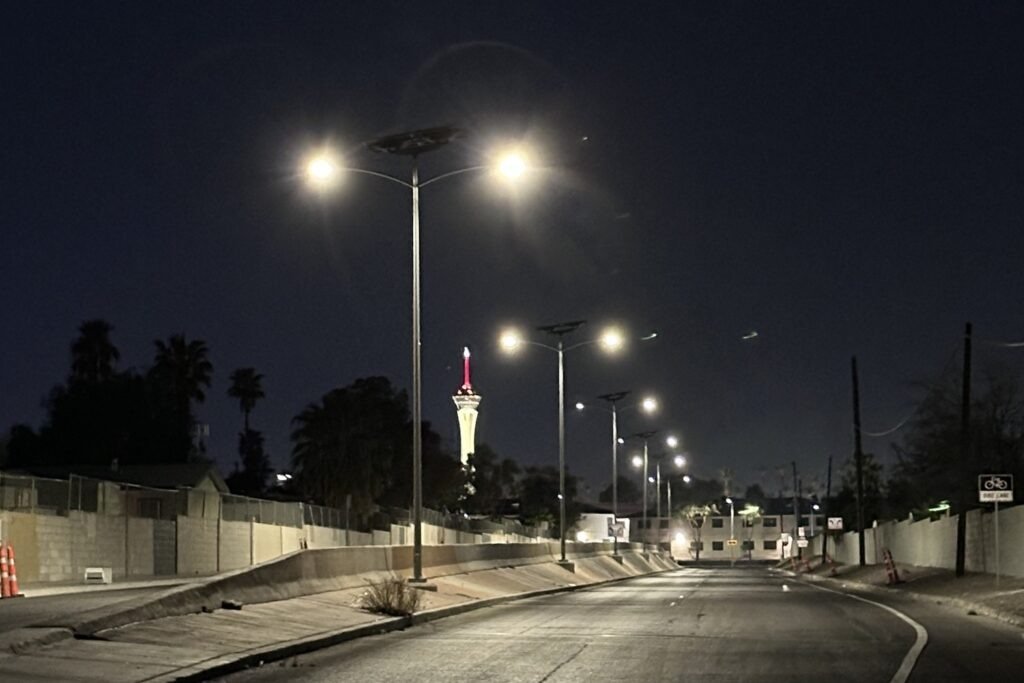
Outdoor spaces such as walkways, parks, and public facilities benefit greatly from Sensor Light. These Sensor Light enhance security and visibility while conserving energy during low-traffic hours.
Energy Savings and Financial Impact of Sensor Light
One of the strongest arguments in favor of Sensor Light is their long-term financial value. While Sensor Light generally require a higher upfront investment, they often deliver substantial savings over time.
Studies and real-world installations show that Sensor Light can reduce lighting energy consumption by 30% to 60%. Additional savings result from reduced maintenance, longer fixture lifespan, and lower cooling demands due to reduced heat output.
When evaluated across their full lifecycle, Sensor Light frequently provide a strong return on investment.
Limitations and Challenges of Sensor Light
Despite their advantages, Sensor Light are not suitable for every situation. Poor placement or incorrect sensitivity settings can reduce performance.
Common challenges associated with Sensor Light include:
- False activation in high-traffic areas
- Delayed response if improperly adjusted
- Higher initial installation costs
- Sensitivity to environmental conditions
Proper planning and professional installation are critical to maximizing the effectiveness of Sensor Light.
How to Select the Right Sensor Light
Choosing the appropriate Sensor lights requires careful evaluation of the space and usage patterns. Important considerations include:
- Frequency and duration of occupancy
- Indoor or outdoor environment
- Required detection range
- Sensitivity and time-delay settings
- Compatibility with existing lighting infrastructure
Selecting the right Sensor lights ensures reliable operation and optimal energy savings.
Conclusion
Sensor Light represent a practical and efficient evolution in modern lighting technology. By responding automatically to real-world conditions, Sensor lights deliver meaningful improvements in energy efficiency, safety, and convenience.
Although the initial investment may be higher, the long-term benefits of Sensor lights—particularly reduced energy consumption and maintenance costs—often justify the expense. When properly selected and installed, Sensor lights are not only worth the investment but also a strategic upgrade for modern lighting systems.
Suggestesd Topics :
- Advanced LED Lighting for Lecture Halls & Auditoriums
- CCT in Hotel Rooms and Its Effect on Guest Experience in 2025
- Enhancing Product Visibility with LED Showroom Lighting