The Role of Smart Lighting in Achieving Sustainability Goals
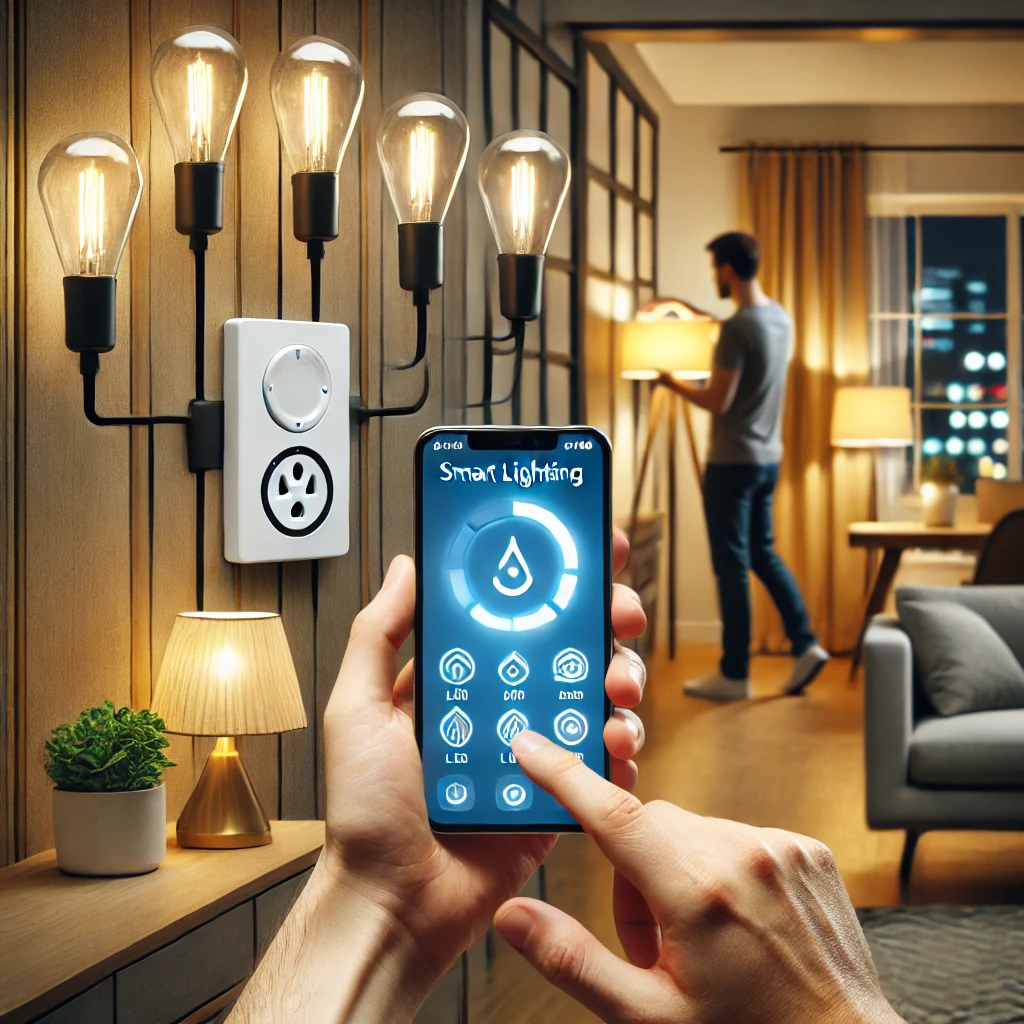
Achieving sustainability goals is crucial, driving energy-saving efforts. Smart lighting technology automates efficiency, reducing waste. Imagine lights adjusting automatically—no wasted electricity!
Energy Efficiency and Reduced Consumption to Meet Sustainability Goals
How Smart Lighting Minimizes Energy Waste
Smart lighting optimizes energy use, supporting sustainability goals by reducing waste. Unlike traditional lights, it uses motion sensors, daylight harvesting, and schedules to cut excess consumption.
- Motion Sensors: Automatically turn lights on or off based on occupancy, reducing wasted energy and supporting sustainability goals. Ever walked into a grocery store’s freezer aisle and noticed the lights magically turning on as you approach? That’s motion sensor technology at work!
- Daylight Harvesting: Adjusts artificial lighting based on natural light availability, ensuring optimal illumination while conserving energy. Think of it as sunglasses for your home—adjusting to the brightness of the sun.
- Programmable Schedules: Enables users to set lighting schedules to align with occupancy patterns, minimizing energy use during off-peak hours. Perfect for those who always forget to turn off the kitchen light after a midnight snack run!
LED Technology: The Foundation of Smart Lighting for Sustainability
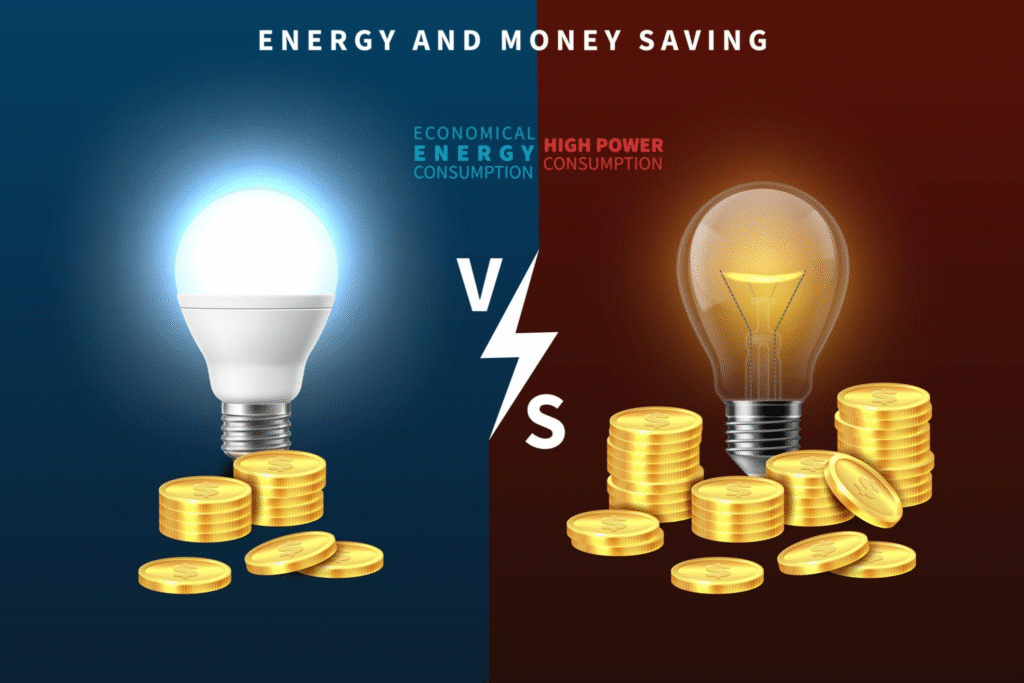
LED smart lighting is highly energy-efficient, using up to 80% less power and lasting 25 times longer than traditional bulbs. This reduces costs and waste, making it a key player in sustainability goals. Imagine changing bulbs once a decade instead of every few months!
Carbon Footprint Reduction Through Smart Lighting
Lower Emissions Through Smart Lighting Adoption
Smart lighting reduces energy use and lowers emissions, supporting global sustainability goals. The U.S. Department of Energy estimates widespread LED adoption could cut carbon emissions by 1.8 billion metric tons yearly—like removing 388 million cars from the road!
Integration with Renewable Energy Sources to Enhance Sustainability
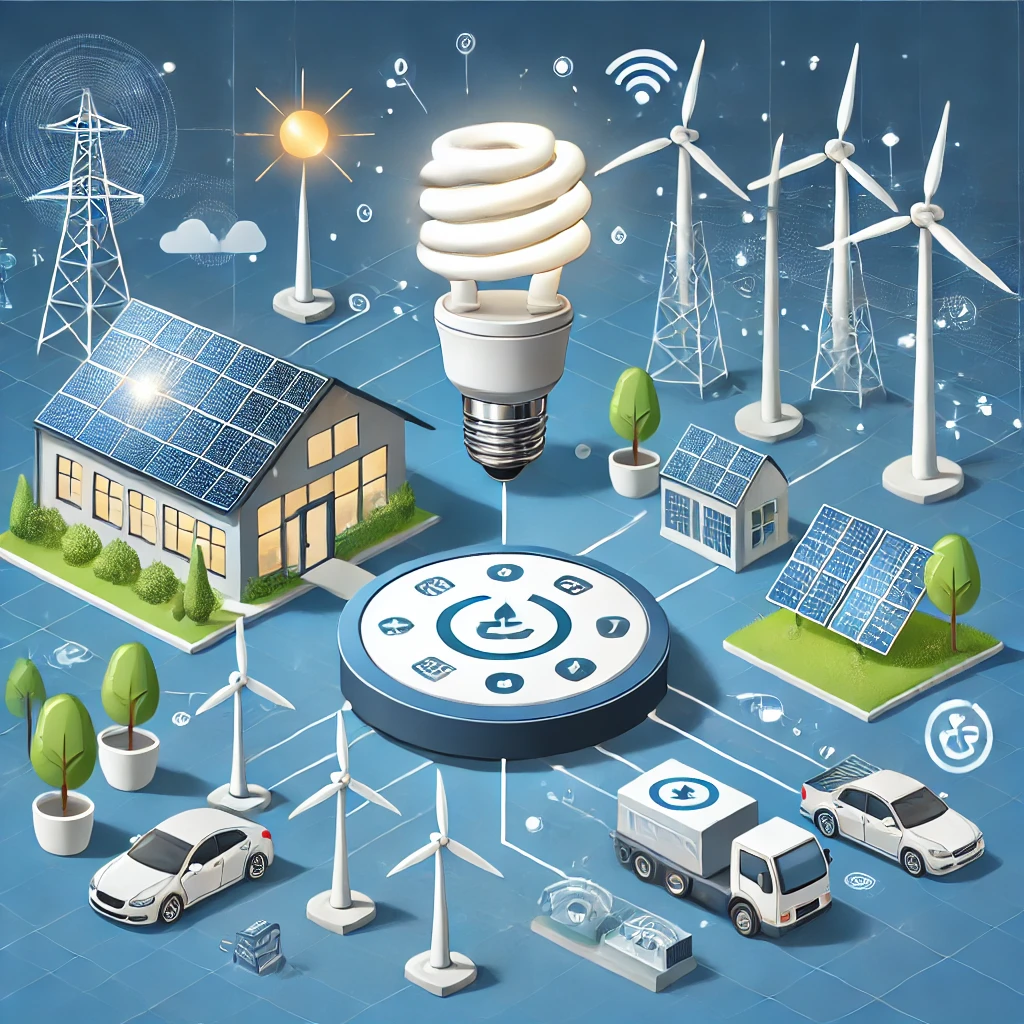
Smart lighting integrates with solar and wind power, ensuring efficiency even on renewable energy alone. Automation and storage enhance reliability, supporting sustainability goals. Imagine solar-powered days and smart-lit nights—true futuristic living!
Cost Savings and Economic Benefits of Sustainable Lighting
Lower Electricity Bills for Consumers and Businesses
Smart lighting benefits both the environment and your wallet. It cuts electricity bills by up to 50%, optimizing energy use and reinforcing sustainability goals—like earning a monthly discount just for being energy-smart!
Reduced Maintenance Costs
LED smart bulbs last longer, cutting maintenance costs, especially for large facilities. This supports sustainability goals—imagine never climbing a ladder for a flickering bulb again!
Smart Lighting in Urban Sustainability
Smart Cities and Intelligent Lighting Networks

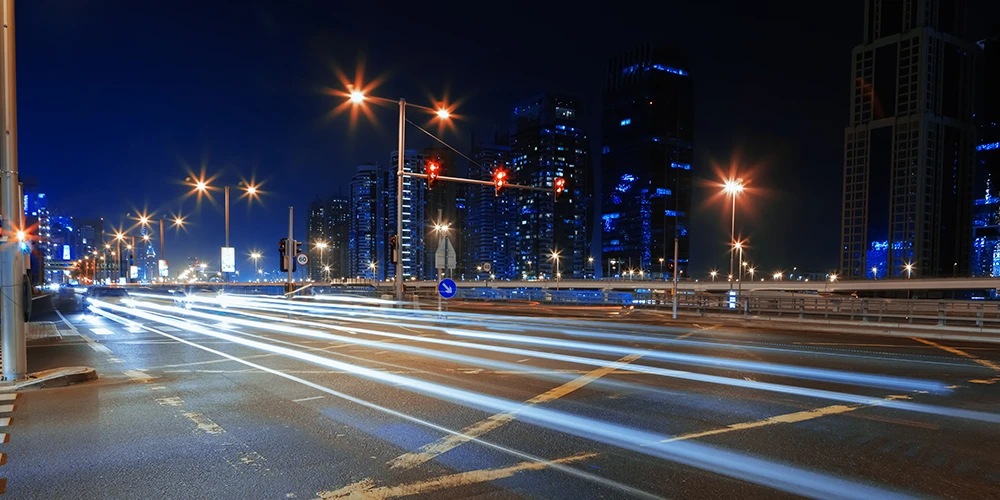
Smart lighting helps cities achieve sustainability goals by adapting streetlights to real-time conditions. Lights dim when streets are empty and brighten as needed, saving energy and enhancing safety—a smart, efficient urban solution!
Enhancing Public Safety While Saving Energy
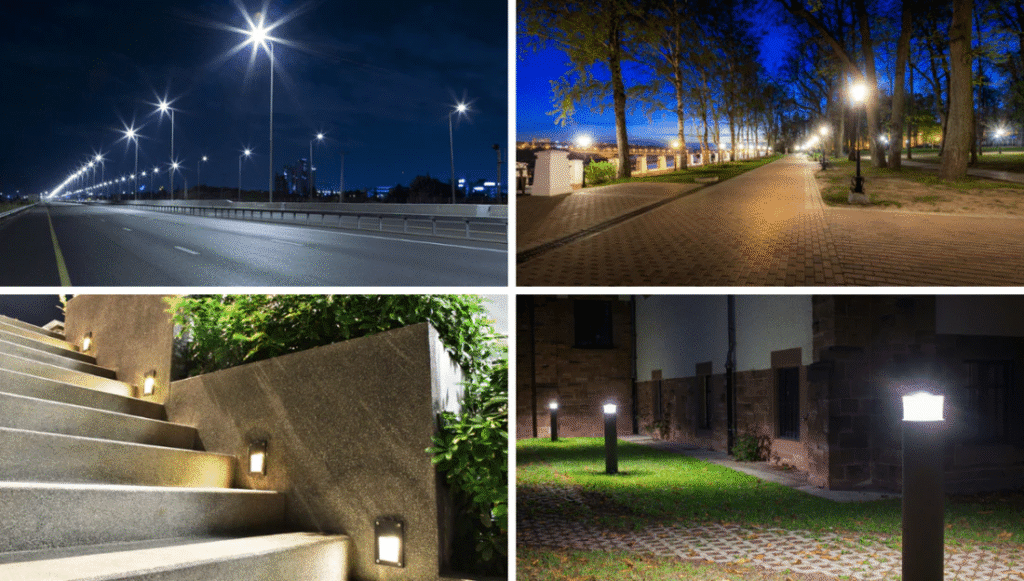
Smart street lighting boosts safety while conserving energy. Adaptive lighting enhances visibility in high-risk areas without excessive use, supporting urban sustainability goals—like a light-based security guard that never wastes power!
Take Action for a Smarter, Greener Future
Smart lighting is a game-changer in the pursuit of sustainability goals. By adopting smart lighting solutions, you can significantly reduce your energy consumption, lower your carbon footprint, and save on electricity costs. Take the first step towards a greener future by upgrading to smart lighting today! Trust us, your wallet and the planet will thank you.
Frequently Asked Questions (FAQ)
1. What is smart lighting?
Smart lighting refers to an advanced lighting system that uses sensors, automation, and remote control capabilities to optimize energy use and efficiency while supporting sustainability goals.
2. How does smart lighting help the environment?
Smart lighting reduces energy consumption, lowers carbon emissions, and integrates with renewable energy sources, making it a sustainable choice in achieving sustainability goals.
3. Can I install smart lighting in my existing home?
Yes, many smart lighting systems are designed for easy installation and can be integrated into existing home automation setups to contribute to sustainability goals.
4. Does smart lighting save money?
Absolutely! Smart lighting reduces electricity bills and maintenance costs due to its energy efficiency and long lifespan, supporting both economic and sustainability goals.
5. What are some common features of smart lighting?
Common features include motion sensors, remote control via mobile apps, voice command compatibility, dimming capabilities, and scheduling functions—all essential in meeting sustainability goals.
Sources
Suggested Topics
- Exciting Innovations in Eco-Friendly Lighting Design
- Reducing Carbon Footprint: Revolutionary Green Lighting Technologies
- Smart Bulbs: How to Choose the Right One for Your Home (Ultimate Guide