Transforming Modern Living with Smart Solar Lighting
As the world moves toward clean energy and environmental sustainability, solar lighting in residential compounds has become a key solution for communities seeking safer, greener, and more efficient environments. Traditional lighting can no longer meet modern demands, and solar energy is emerging as the future of outdoor illumination.
Today, many developers and facility managers rely on solar lighting systems to ensure consistent nighttime visibility, reduce electricity consumption, and cut maintenance costs. This shift not only supports environmental goals but also enhances residents’ comfort and safety.
What Is Solar Lighting in Residential Compounds?
Solar lighting in residential compounds systems collect sunlight during the day through solar panels and store it in rechargeable batteries.
At night, the stored energy powers LED fixtures to illuminate streets, gardens, and public areas. These systems are completely independent of the electrical grid, making solar lighting in residential compounds ideal for sustainable, uninterrupted operation.
Key Benefits of Solar Lighting in Residential Compounds
Continuous Safety for Residents

With solar lighting, pathways, entrances, and shared spaces remain well-lit, minimizing accidents and improving security at all times.
True Environmental Sustainability

By replacing fossil-fuel-based energy, solar lighting reduces carbon emissions and supports global sustainability goals.
Lower Energy and Maintenance Costs

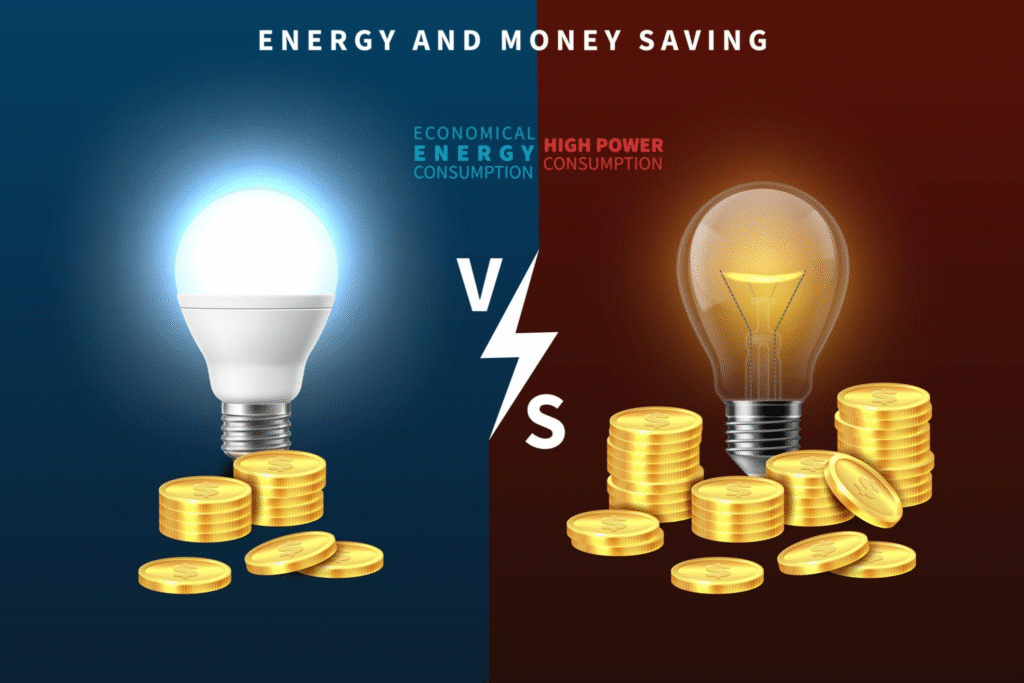
Since it runs on renewable energy, solar lighting can reduce overall lighting expenses by up to 70%, making it a smart long-term investment.
Easy Installation and Minimal Maintenance
Unlike traditional systems, solar lighting requires no underground wiring, allowing for quick setup and minimal maintenance.
Modern Design and Balanced Illumination
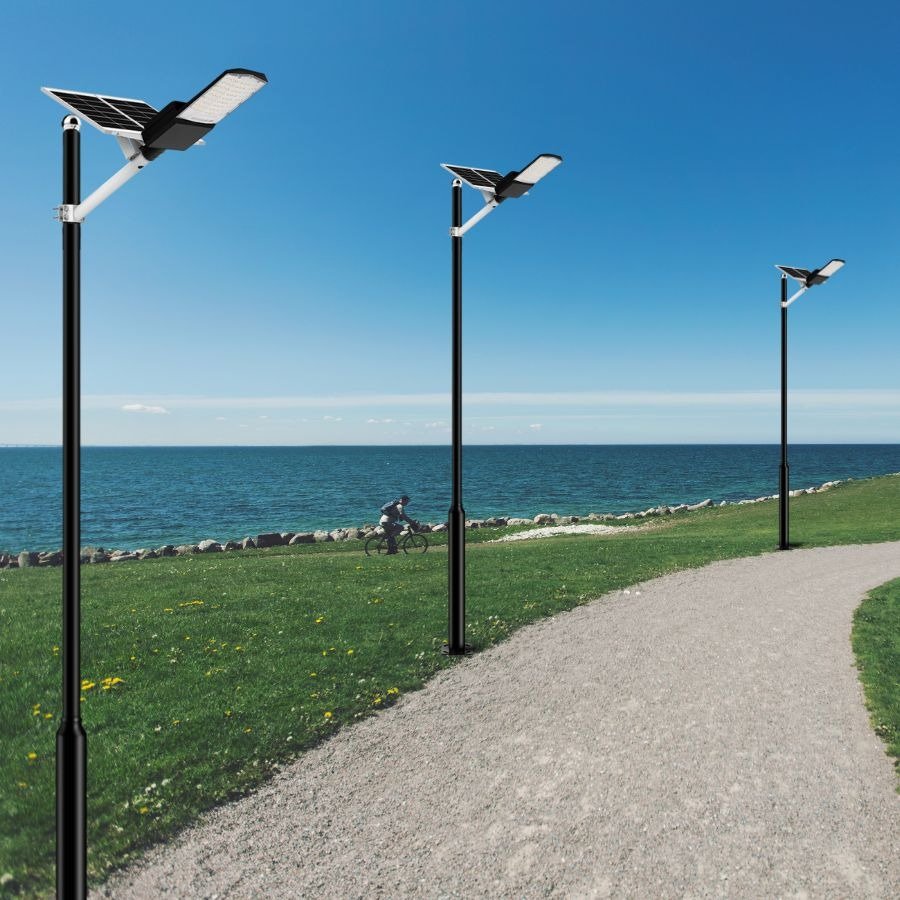
Modern solar lighting combines efficiency, elegance, and adaptability to perfectly suit the aesthetics of residential compounds.
Practical Applications of Solar Lighting in Residential Compounds
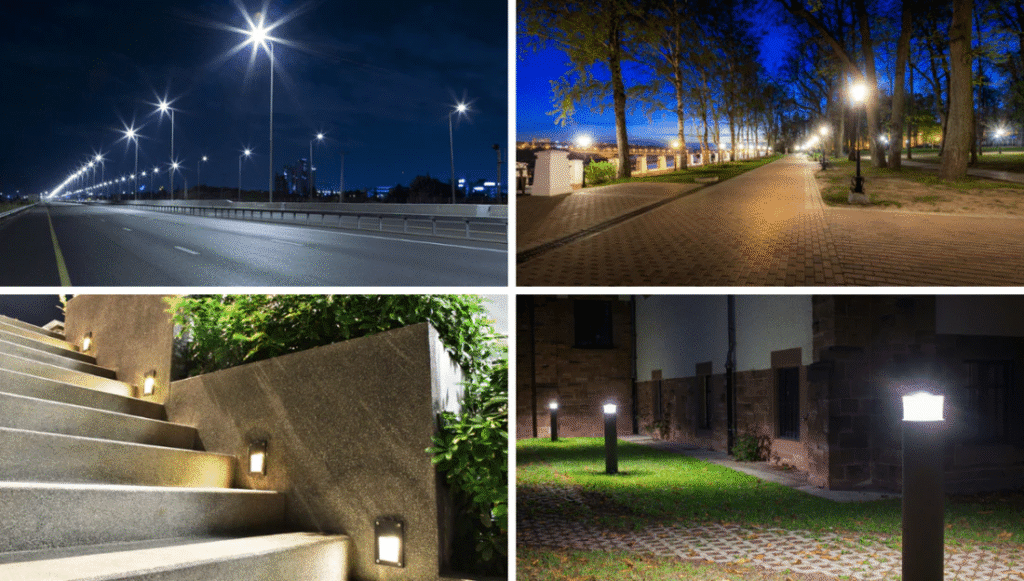
Solar lighting in residential compounds can be used in multiple outdoor areas, including:
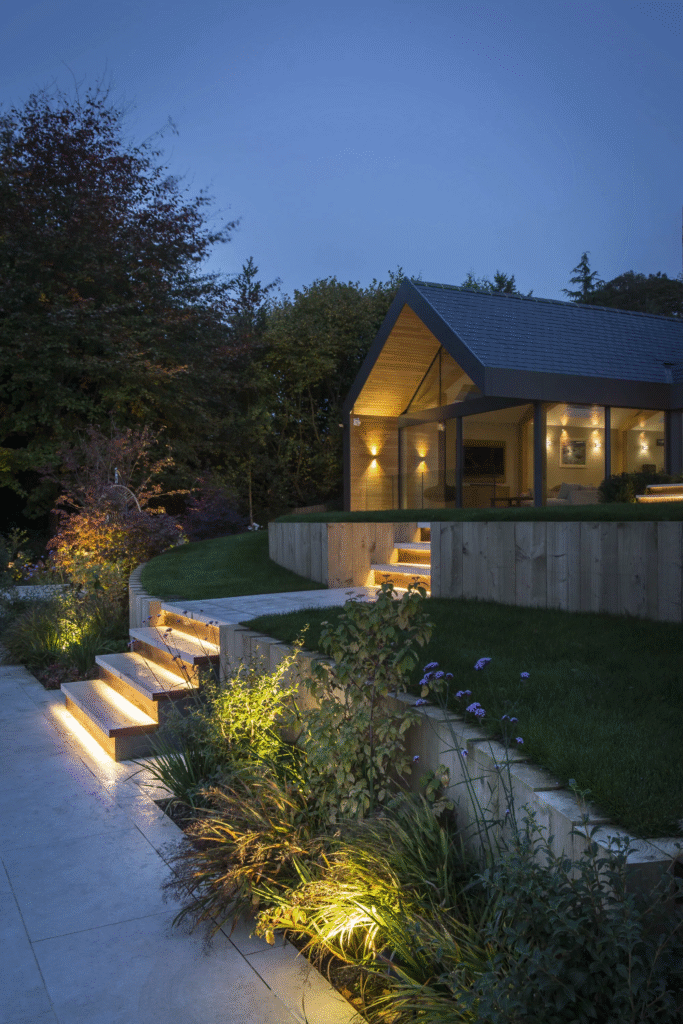
- Internal walkways and green zones – to create safe, welcoming environments.
- Parks and playgrounds – enhancing visibility and comfort for families.
- Parking lots and main entrances – preventing accidents and improving access.
- Pools and recreational areas – adding a stylish and relaxing atmosphere.
These applications make solar lighting in residential compounds an essential part of modern urban design, balancing efficiency, beauty, and sustainability.
How Smart Solar Lighting Systems Work
Smart solar lighting in residential compounds integrates sensors and automation.
Motion sensors activate higher brightness when someone passes by, then dim automatically to save energy.
Advanced systems can also connect to mobile apps or Building Management Systems (BMS) for real-time monitoring and energy optimization, ensuring that solar lighting in residential compounds operates at peak efficiency.
Impact of Solar Lighting on Residents’ Comfort
Beyond its practical role, solar lighting in residential compounds enhances well-being by creating safe, evenly lit outdoor areas that encourage relaxation and social interaction.
It supports a sense of community while improving the visual appeal and nighttime comfort of shared spaces.
The Future of Solar Lighting in Urban Design
Urban developers increasingly view solar lighting in residential compounds as a core component of sustainable design.
With ongoing advancements in solar panel efficiency and battery technology, future solar lighting in residential compounds will become even more powerful, durable, and adaptable to various climates.
Lighting the Way Toward a Sustainable Future
It’s clear that solar lighting in residential compounds is no longer just an optional upgrade — it’s a necessity for creating secure, energy-efficient, and eco-friendly living spaces.
By combining innovation with sustainability, solar lighting in residential compounds represents the perfect balance between technology and nature, shaping a brighter and cleaner future for modern communities.
FAQs About Solar Lighting in Residential Compounds
Can solar lighting work on cloudy days?
Yes. Modern systems can generate and store power even under indirect sunlight.
Does it require frequent maintenance?
Not at all. IT only needs occasional cleaning and battery checks.
Is it suitable for all types of compounds?
Absolutely. It can be tailored for small gated communities or large residential developments.
How much energy can it save?
It can reduce energy consumption by more than 70% compared to conventional lighting.
Can it work alongside traditional lighting?
Yes, solar lighting in residential compounds can operate as a standalone or hybrid system.
📚 Sources
- Falcon Lighting Solutions – Smart Solar Projects 2025
- Energy.gov – Outdoor Solar Lighting (Solar outdoor lighting basics
- Energy.gov – Lighting design & lighting choices
- IEA – Solar PV / Solar