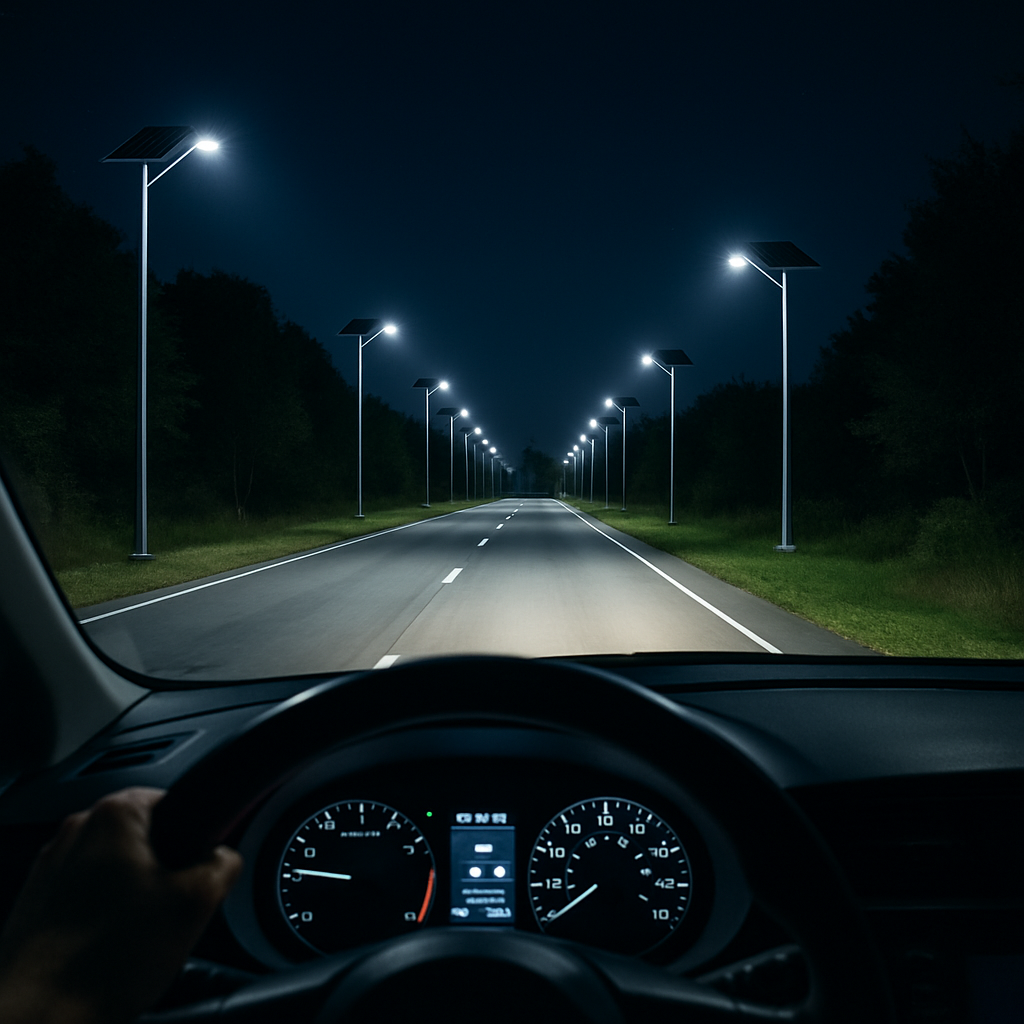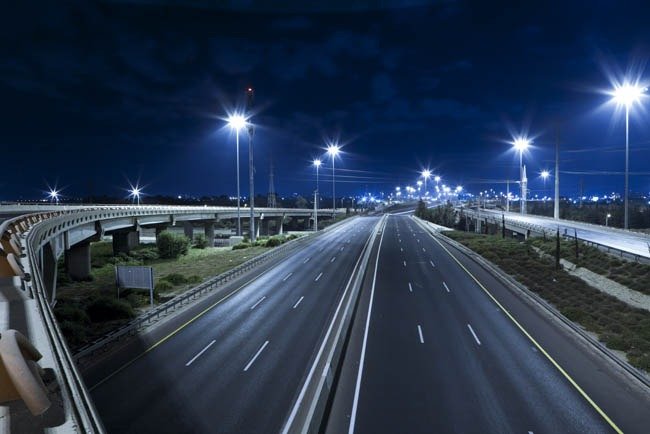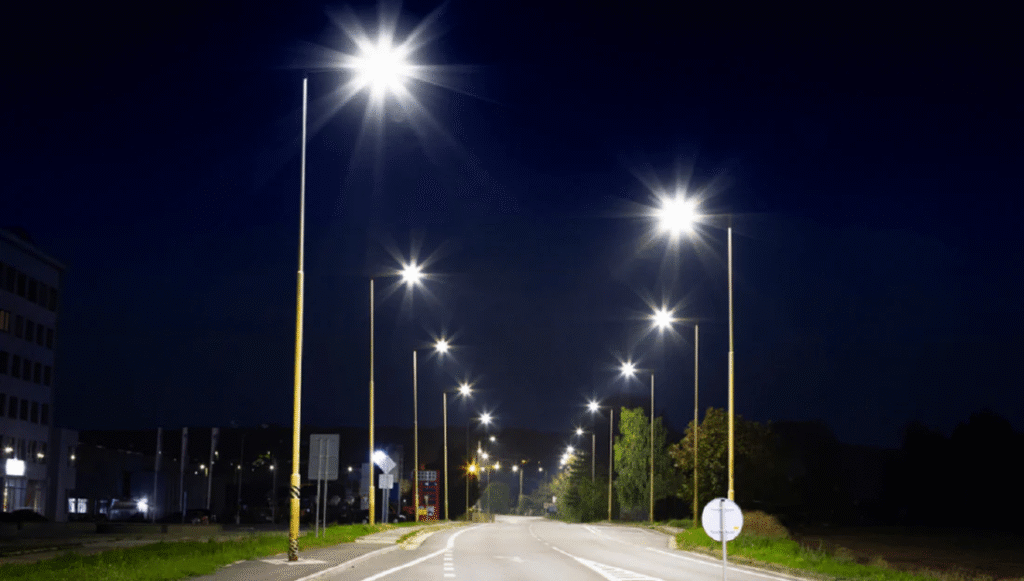
Street Lighting is a fundamental element of modern urban infrastructure. It plays a direct role in road safety, pedestrian protection, traffic efficiency, and overall public comfort at night. Properly designed Street Lighting systems reduce accident rates, improve visibility, and enhance security in cities, highways, residential streets, and public spaces.
Any weakness in Street-Lighting design or implementation can lead to poor nighttime visibility, longer reaction times, and increased safety risks—even on well-engineered roads. For this reason, compliance with recognized safety standards is essential rather than relying solely on brightness or fixture quantity.
This article provides an in-depth explanation of Street-Lighting safety standards, focusing on visibility requirements, light distribution, glare control, electrical safety, energy efficiency, and long-term operational reliability.
1. The Critical Role of Street Lighting in Public Safety

Street Lighting significantly improves nighttime visibility for both drivers and pedestrians.
Its main safety benefits include:
- Clearer identification of road edges and curves
- Improved recognition of pedestrians and cyclists
- Reduced collision risk with fixed obstacles
- Faster driver reaction times
Traffic safety studies consistently show that well-designed Street-Lighting reduces nighttime accidents, especially at intersections and high-traffic zones.
2. International Standards Governing Street Lighting
Street Lighting design follows international standards that ensure consistent safety and visual performance.
Key global references include:
- EN 13201 – European Standard for Road Lighting
- IES RP-8 – Roadway Lighting Recommendations by the Illuminating Engineering Society
- CIE 115 – Recommendations by the International Commission on Illumination
These standards define minimum illumination levels, uniformity ratios, glare limits, and visual comfort criteria for Street-Lighting installations.
3. Illumination Levels and Visibility Requirements
Street Lighting requirements vary depending on road classification and traffic conditions.
General guidelines include:
- Higher illumination levels for highways and arterial roads
- Moderate lighting for residential streets
- Enhanced lighting at intersections and pedestrian crossings
Insufficient Street-Lighting reduces object visibility, while excessive lighting creates glare that impairs night vision.
4. Light Uniformity and Glare Control
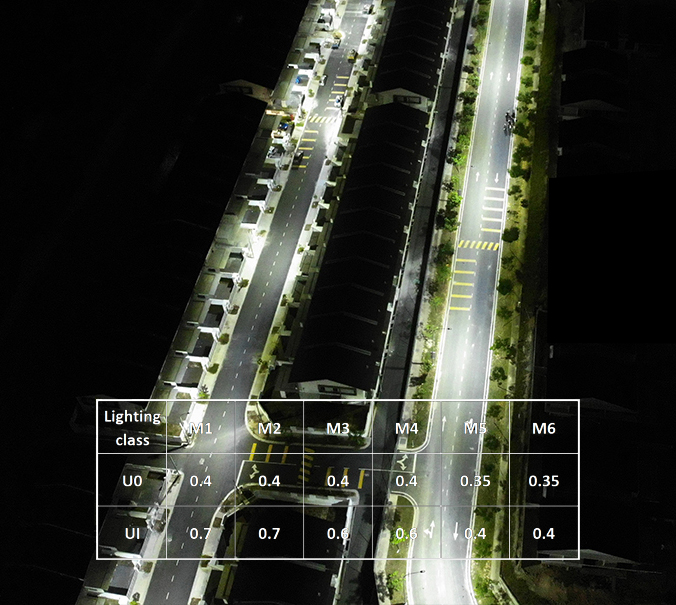
Uniform light distribution is as important as brightness in Street Lighting safety.
Effective design ensures:
- Minimal contrast between bright and dark areas
- Consistent illumination across the road surface
- Controlled glare to prevent driver discomfort
Excessive glare is a common cause of visual fatigue and reduced concentration during nighttime driving.
5. Pole Height, Spacing, and Installation Geometry
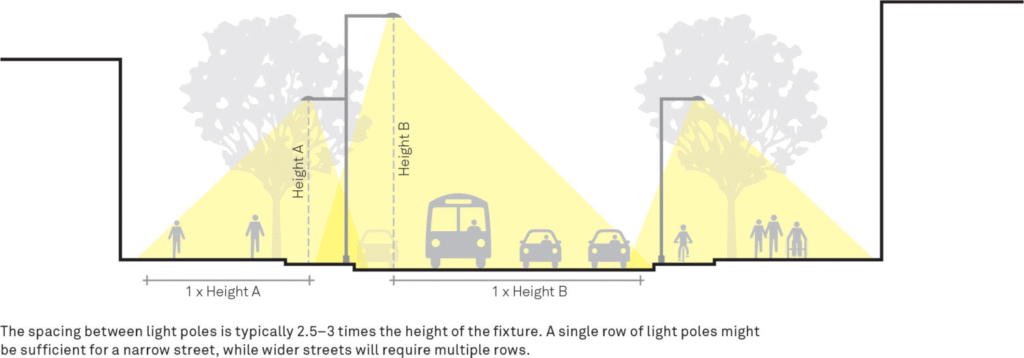
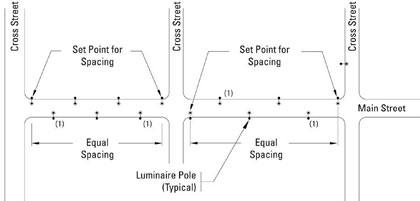
Installation geometry directly affects Street-Lighting efficiency.
Key design parameters include:
- Pole height matched to road width
- Proper spacing to ensure overlapping light coverage
- Mounting angles that minimize light spill and glare
Incorrect geometry leads to shadow zones, wasted light, and reduced safety.
6. Electrical and Structural Safety Requirements
Street-Lighting systems must comply with strict electrical and structural safety standards.
Essential requirements include:
- Weather-resistant luminaire housings
- Proper grounding and surge protection
- Strong pole foundations and wind resistance
- Compliance with IP and IK protection ratings
Electrical faults in Street Lighting can result in outages, safety hazards, and increased maintenance risks.
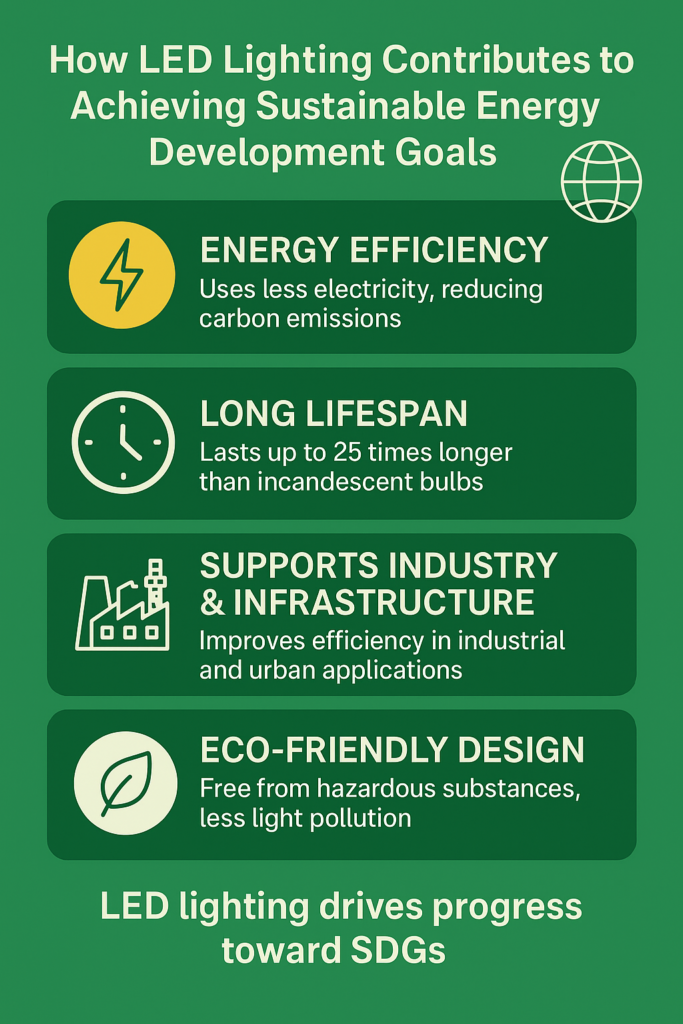
7. Energy Efficiency and Sustainability in Street Lighting
Modern Street Lighting standards emphasize energy efficiency without compromising safety.
Best practices include:
- LED-based Street-Lighting systems
- Reduced energy consumption and heat generation
- Lower carbon emissions
- Long service life with minimal maintenance
Energy-efficient Street-Lighting supports sustainability goals while reducing operating costs.
8. Smart Street Lighting Systems
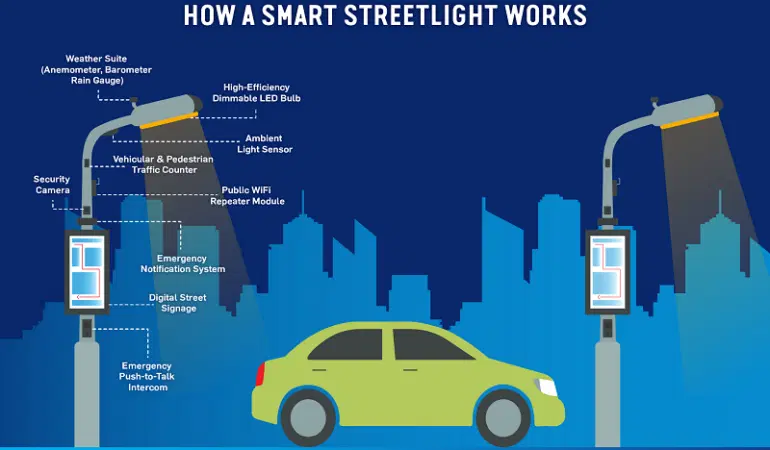
Smart technologies have become an integral part of advanced Street Lighting systems.
Smart features include:
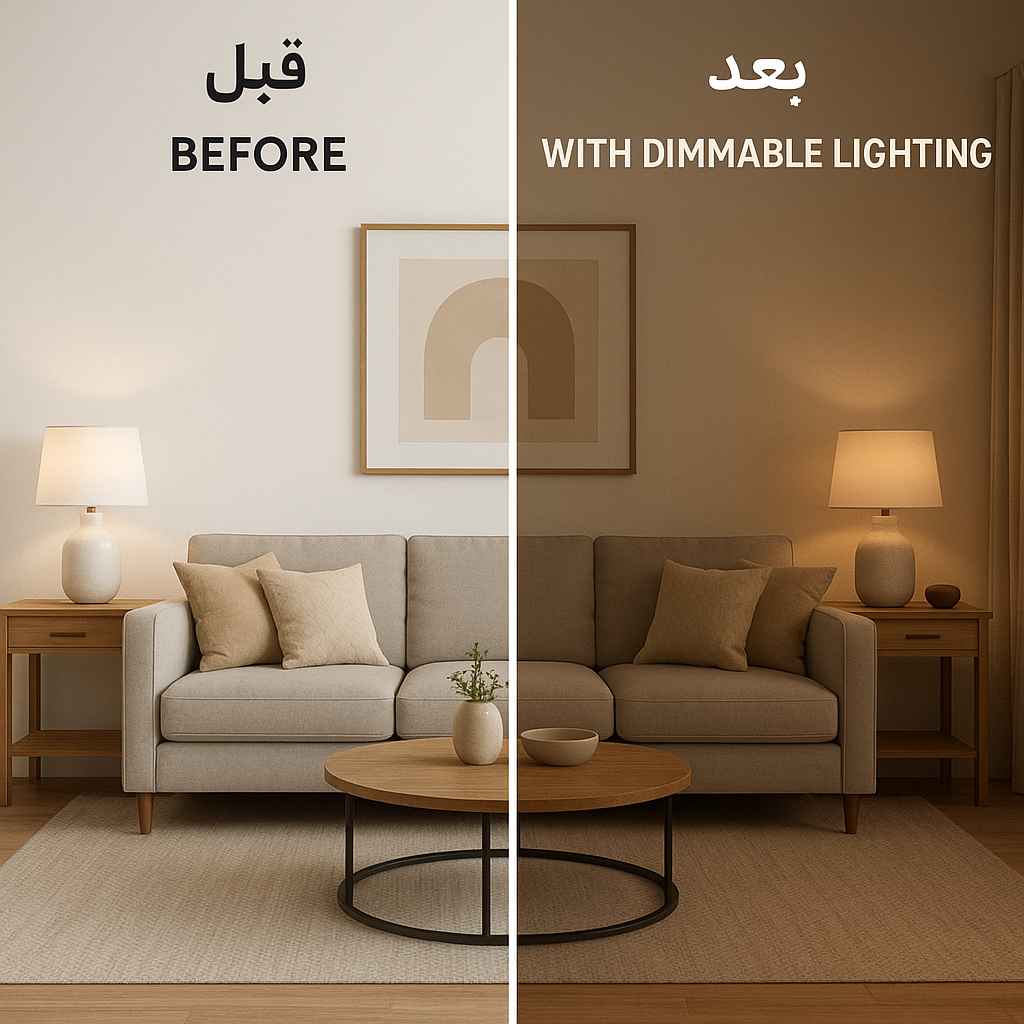
- Adaptive brightness based on traffic density
- Motion-based lighting in low-traffic areas
- Remote monitoring and fault detection
These systems enhance safety while optimizing energy usage.
9. Maintenance and Performance Monitoring
The effectiveness of Street-Lighting depends on regular maintenance.
Recommended practices include:
- Periodic measurement of illumination levels
- Inspection of poles, luminaires, and wiring
- Prompt replacement of degraded components
Even well-designed Street Lighting systems can fall below safety standards without proper maintenance.
10. Compliance and Risk Management
Compliance with Street-Lighting standards provides:
- Reduced accident-related liability
- Improved public safety and satisfaction
- Longer system lifespan
- Higher return on investment
Street Lighting safety is both a regulatory obligation and a social responsibility.
Falcon Street Lighting Solutions
Falcon offers advanced Street-Lighting solutions engineered to meet international safety and performance standards.
Key Advantages of Falcon Street Lighting:
- High-efficiency LED luminaires with precise light distribution
- Compliance with EN and IEC standards
- Excellent resistance to harsh weather conditions
- Long operational lifespan with stable performance
- Compatibility with smart control and dimming systems
Falcon Street-Lighting products are suitable for highways, residential streets, urban developments, and large-scale infrastructure projects, delivering safety, quality, and long-term efficiency.
Conclusion
Street-Lighting safety standards are essential for creating secure, functional, and sustainable urban environments. Proper illumination levels, uniform light distribution, glare control, and electrical safety work together to protect road users and pedestrians.
By following international Street Lighting standards and adopting advanced LED and smart technologies, cities and developers can enhance safety, reduce costs, and improve nighttime visibility. Investing in compliant Street Lighting solutions is a long-term commitment to safety, efficiency, and urban quality of life.
Sources:
- Illuminating Engineering Society (IES) – RP-8 Roadway Lighting
- European Committee for Standardization – EN 13201 Road Lighting