Industrial facilities are under constant pressure to optimize performance while minimizing costs and environmental impact. One of the most effective upgrades they can implement is switching to energy-efficient lighting systems. LED technology, in particular, offers massive improvements in power consumption, durability, and control.
This article explores the various ways energy efficient lighting enhances industrial operations, improves worker safety, and reduces overhead.
How Energy-Efficient Lighting Can Boost Industrial Energy Performance
1. The High Energy Demand of Industrial Lighting
Lighting can account for 20–30% of total energy consumption in large industrial spaces like warehouses, manufacturing plants, and logistics centers. Traditional systems—such as metal halide, fluorescent, and high-pressure sodium lamps—are inefficient, with most of the electricity consumed lost as heat.
➡️ Switching to energy-efficient lighting significantly reduces this waste and directly cuts electricity bills.
2. Superior Efficiency and Light Output
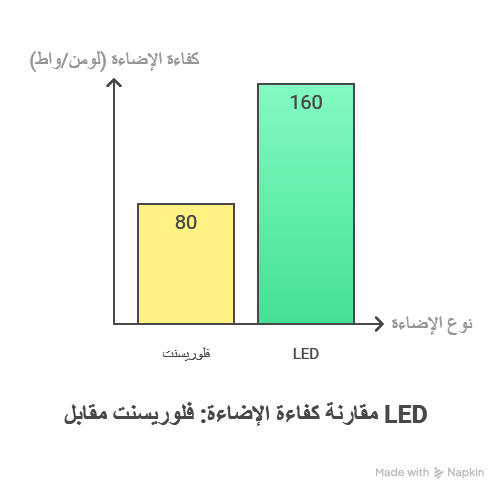
One of the main advantages of energy-efficient lighting like LEDs is their high luminous efficacy.
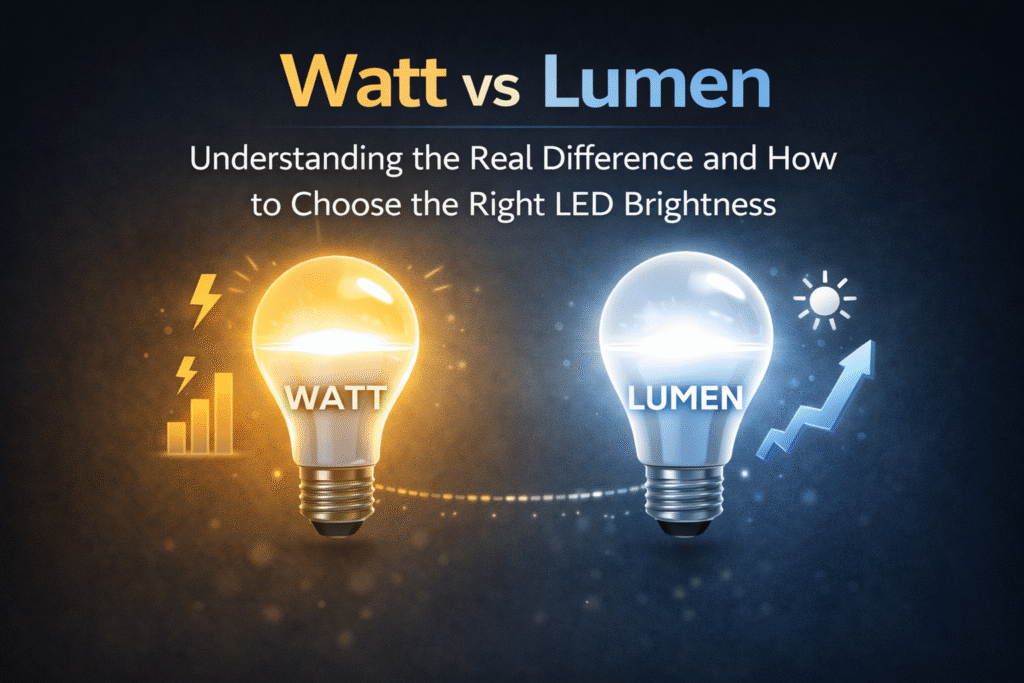
LEDs convert most input energy into visible light, delivering more lumens per watt than conventional bulbs.
- Fluorescent lamps: ~60–100 lumens/watt
- LED lamps: Up to 160 lumens/watt
In addition, energy-efficient lighting emits directional light, focusing illumination exactly where it’s needed without waste, unlike conventional fixtures that require reflectors or diffusers.
3. Automation and Smart Control Features
Modern energy-efficient lighting systems support smart technologies that amplify energy savings. These include:
✅ Motion Sensors – Turn lights on only when occupancy is detected
✅ Daylight Sensors – Dim or switch off lights in bright daylight
✅ Timers – Automate lighting during operational hours only
These features can reduce lighting-related energy use by an additional 30–50% when paired with energy-efficient lighting.
4. Durability and Maintenance Advantages
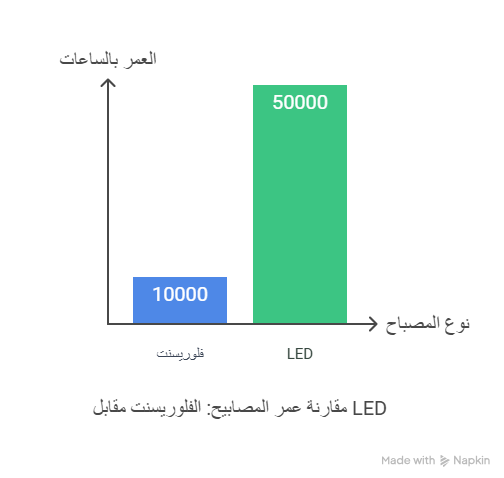
Compared to traditional lighting systems, energy-efficient lighting
especially LEDs—offers a much longer lifespan:
- Fluorescent: ~10,000 hours
- LED: 50,000+ hours
The long-lasting performance of energy-efficient lighting results in:
- 🔧 Lower labor and servicing costs
- 🔄 Fewer interruptions to critical operations
- ♻️ Reduced waste and environmental impact
5. Enhancing Workplace Safety and Productivity

Industrial environments require consistent and reliable lighting to support operations involving heavy machinery, fast-moving equipment, and complex processes.
Energy-efficient lighting delivers:
- 💡 Flicker-free illumination
- 🎨 High color rendering (CRI) for hazard recognition
- 🧠 Reduced eye strain and fatigue
- 📈 Improved morale, productivity, and safety
By enhancing visibility, energy-efficient lighting contributes directly to fewer workplace accidents and better operational precision.
6. Environmental and Regulatory Benefits
Governments and environmental bodies worldwide are pushing for greener technologies.
Energy-efficient lighting supports:
- 🌿 Compliance with sustainability standards (e.g., LEED)
- 🧪 No toxic materials (e.g., mercury or lead)
- 🌎 Lower carbon footprint from reduced energy use
💰 Additionally, many utility companies offer rebates and tax incentives for upgrading to energy-efficient lighting, accelerating ROI.
✅ Call to Action
Ready to cut energy costs and upgrade your facility’s lighting?
📞 Contact Falcon Industries today to explore tailored energy-efficient lighting solutions that help your facility operate smarter, safer, and more sustainably.
Frequently Asked Questions ❓
How quickly can an industrial facility recover the cost of LED upgrades?
Typically within 1–3 years, depending on energy rates, hours of operation, and incentive programs.
Is LED lighting suitable for harsh industrial environments?
Absolutely. LEDs are highly durable and available in weatherproof, rugged enclosures—ideal for dusty, wet, or high-temperature areas.
Can existing fixtures be retrofitted with energy-efficient lighting?
Yes. Many LED retrofit kits are designed for easy installation in existing housings, minimizing labor and disruption.
Will smart controls work with my current lighting system?
If your system supports it, yes. Otherwise, upgrading to a smart-ready energy-efficient lighting system allows seamless integration with modern building automation platforms.
🔗 Sources
- U.S. Department of Energy – LED Lighting
- International Energy Agency – Energy Efficiency 2023
- Energy Star – Learn About LED Bulbs
- Lighting Europe – Industrial Lighting
- IEEE Spectrum – Smart Lighting in Industry
Suggested Topics :
- How Do Sensor Lights Work? The Smart Guide to Automatic Lighting Technology sensor lights automatic lighting technology
- The Impact of LED Lighting on Reducing Energy Demand in Outdoor Lighting Systems
- Official Accreditation Reflects Quality: Iraqi Ministry of Electricity Visits Falcon Factory and Grants Full Product Certification