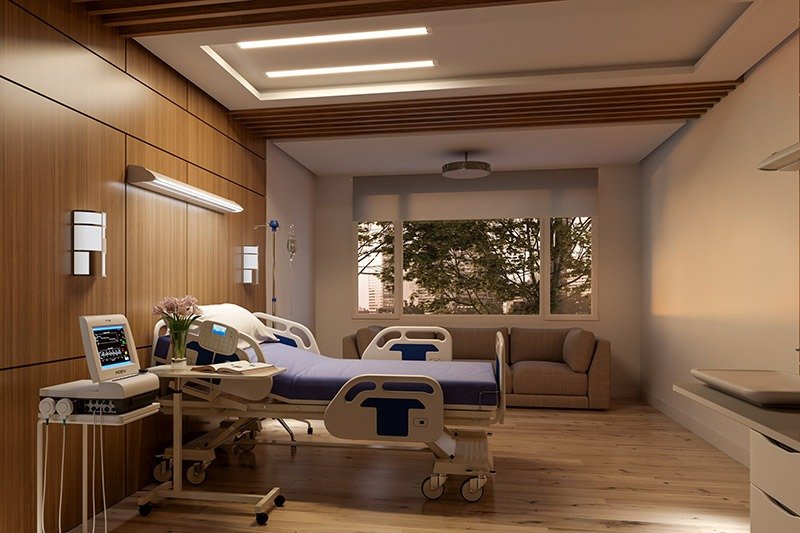
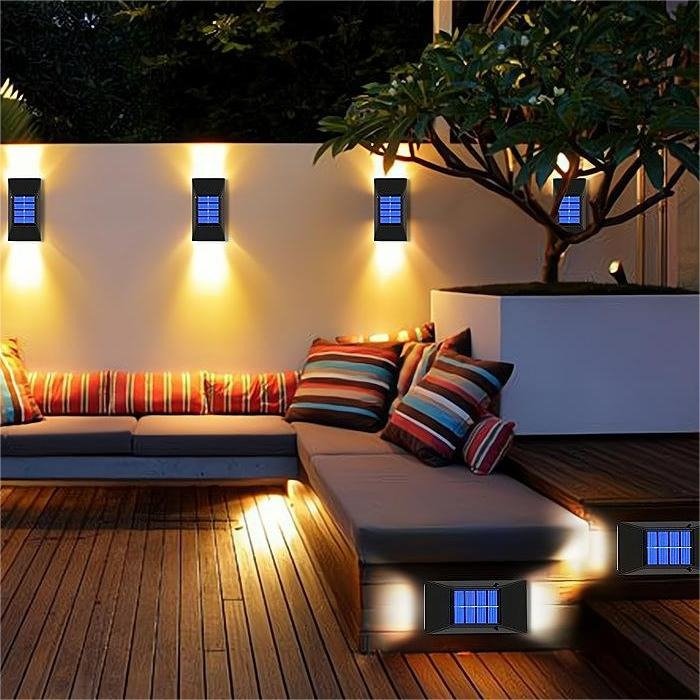
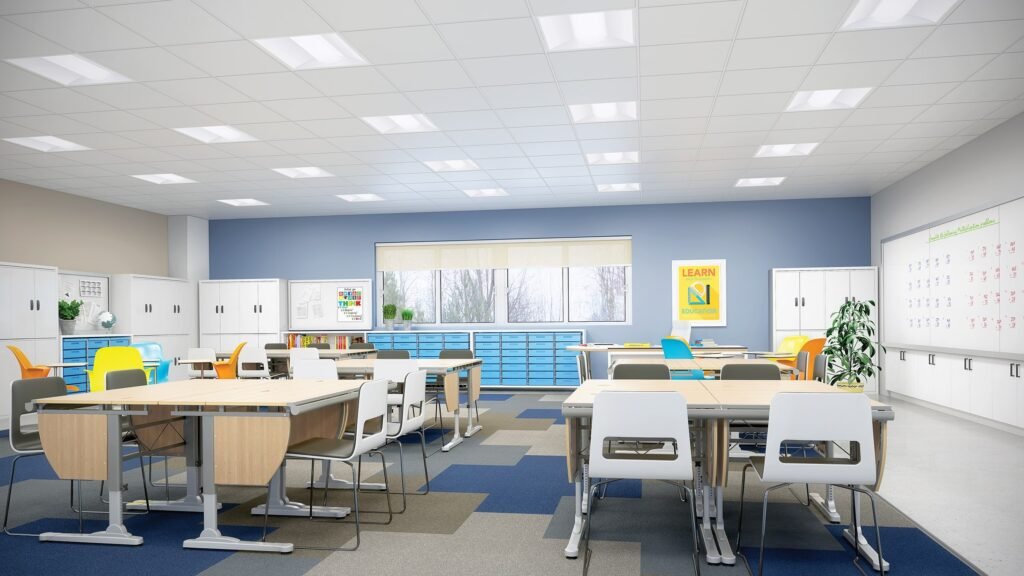
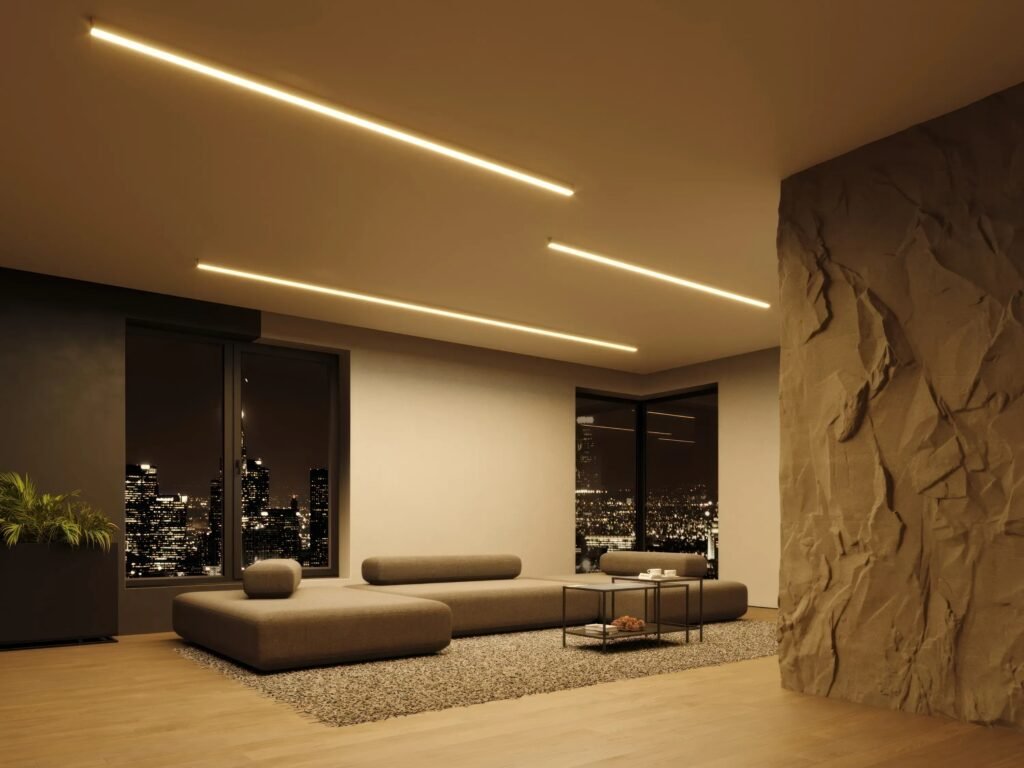
Buildings are not only defined by their physical structure, materials, or scale. Light plays a decisive role in how architecture is perceived, especially after sunset. Architectural Lighting transforms buildings into visual statements, revealing form, depth, rhythm, and identity. When thoughtfully designed, Architectural Lighting enhances appearance, supports function, and elevates the emotional connection between the building and its users.
This article explores in detail how Architectural Lighting shapes building appearance, influences perception, and adds long-term architectural and commercial value.
1. Architectural Lighting as a Visual Language
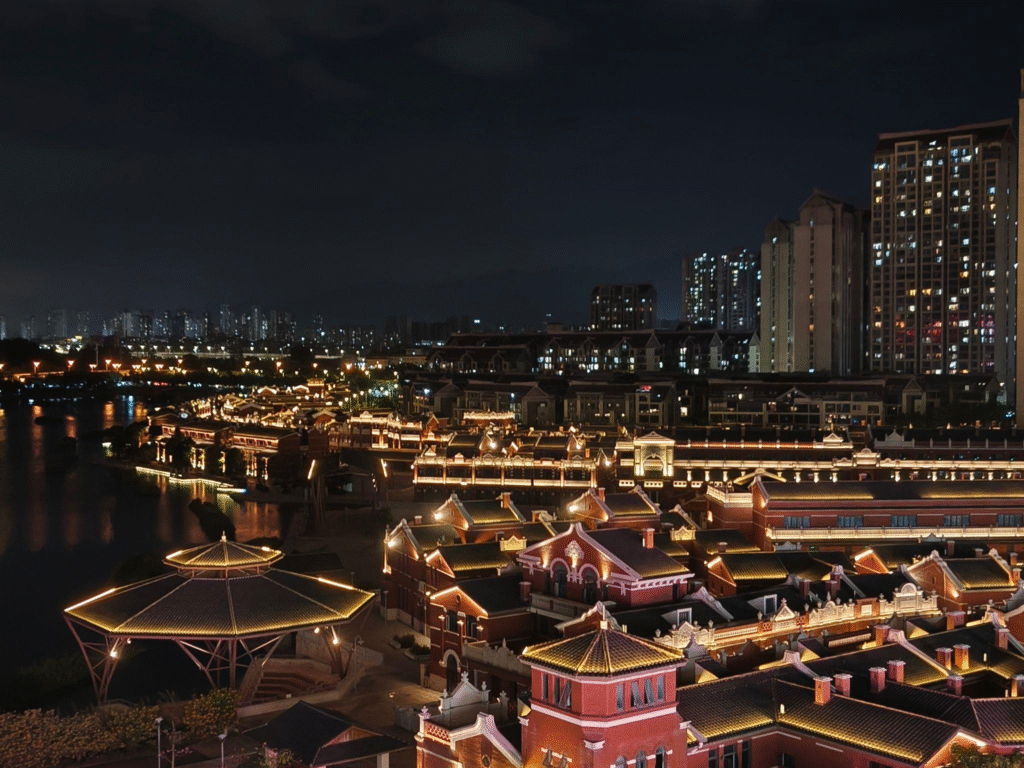
Architectural Lighting functions as a visual language that communicates design intent. Through controlled illumination, architects and designers guide the viewer’s eye and define how a building is read visually.
Effective Architectural-Lighting:
- Creates contrast between light and shadow
- Emphasizes geometry and proportion
- Defines spatial hierarchy
- Enhances depth perception
Without proper Architectural-Lighting, even the most carefully designed building can appear flat, dull, or visually confusing at night.
2. Enhancing Architectural Form and Geometry
One of the primary roles of Architectural Lighting is to reveal form. Buildings consist of planes, edges, recesses, and volumes that respond differently to light.
Architectural-Lighting techniques such as:
- Grazing
- Washing
- Accent lighting
- Edge highlighting
allow designers to sculpt the building visually. Proper placement of luminaires ensures that architectural features are revealed clearly without overpowering the structure.
3. Architectural Lighting and Material Expression
Materials behave differently under light. Architectural Lighting must be carefully adapted to the building’s material palette.
For example:
- Stone and concrete benefit from angled lighting that reveals texture
- Glass façades require controlled lighting to avoid reflections and glare
- Metal surfaces need balanced illumination to maintain elegance
High-quality Architectural-Lighting enhances material authenticity rather than masking it.
4. Building Identity Through Architectural Lighting
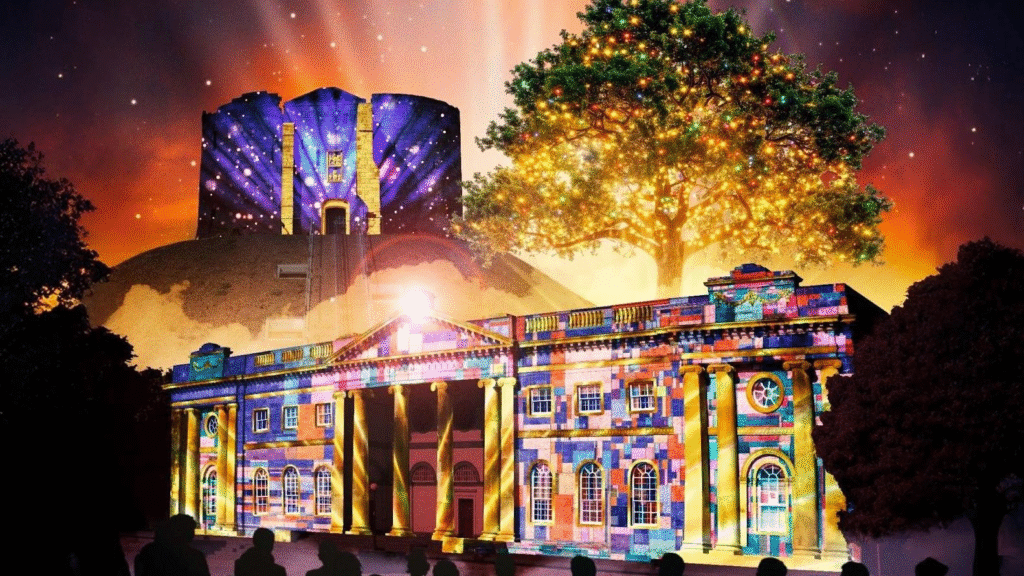
Architectural-Lighting plays a critical role in defining building identity. A building’s nighttime appearance often becomes its most recognizable image.
helps:
- Differentiate buildings within urban environments
- Reinforce branding for commercial properties
- Communicate function and purpose
- Establish landmarks
Consistent lighting language ensures that the building remains visually recognizable from multiple viewpoints.
5. Day-to-Night Transformation of Architecture
A building’s character can change dramatically after dark. Architectural Lighting controls this transformation by redefining how the structure is perceived.
Successful day-to-night Architectural-Lighting:
- Preserves architectural intent
- Maintains visual continuity
- Avoids excessive brightness
- Enhances safety and orientation
The goal is not to replicate daylight but to reinterpret architecture through light.
6. Architectural Lighting and Human Experience
Beyond aesthetics, Architectural-Lighting directly affects how people experience a building.
Well-designed Architectural-Lighting:
- Improves visual comfort
- Reduces glare and eye strain
- Enhances wayfinding
- Creates welcoming environments
In public buildings, hotels, offices, and cultural spaces, lighting quality influences mood, behavior, and dwell time.
7. Integration of Architectural Lighting with the Building Design
Architectural-Lighting should never be an afterthought. The most successful projects integrate lighting from the early design stages.
Early integration allows:
- Concealed fixture placement
- Harmonized architectural details
- Reduced visual clutter
- Improved maintenance access
Integrated architectural Lighting results in cleaner façades and stronger architectural coherence.
8. Architectural Lighting and Urban Context
Buildings exist within cities, not in isolation. Architectural-Lighting must respect surrounding structures, streets, and public spaces.
Responsible architectural-Lighting:
- Minimizes light pollution
- Avoids glare to pedestrians and drivers
- Supports urban nightscapes
- Complements neighboring buildings
Balanced lighting contributes positively to the city’s visual identity.
9. Energy Efficiency in Architectural Lighting
Modern Architectural-Lighting combines visual quality with efficiency. LED technology allows precise light control with lower energy consumption.
Efficient Architectural-Lighting strategies include:
- Targeted illumination
- Advanced optical control
- Dimming and scheduling
- Smart lighting systems
Efficiency ensures sustainability without compromising architectural expression.
10. Long-Term Value of Architectural Lighting
High-quality Architectural-Lighting adds long-term value to buildings by enhancing perception and reducing operational costs.
Benefits include:
- Increased property value
- Stronger brand presence
- Lower maintenance requirements
- Extended system lifespan
Lighting quality becomes an investment rather than an expense.
11. Common Architectural Lighting Mistakes
Mistakes that negatively impact building appearance include:
- Over-lighting façades
- Inconsistent color temperature
- Poor glare control
- Ignoring shadow composition
Avoiding these errors preserves architectural integrity and visual balance.
Conclusion
Architectural-Lighting is a powerful tool that defines how buildings are seen, understood, and remembered. It enhances form, reveals materials, supports identity, and shapes human experience. When thoughtfully designed and carefully implemented, Architectural-Lighting elevates building appearance and delivers lasting architectural value.
Architectural-Lighting is not simply about illumination—it is about revealing architecture at its highest potential.