Understanding the Role of Solar Lighting in Urban Infrastructure
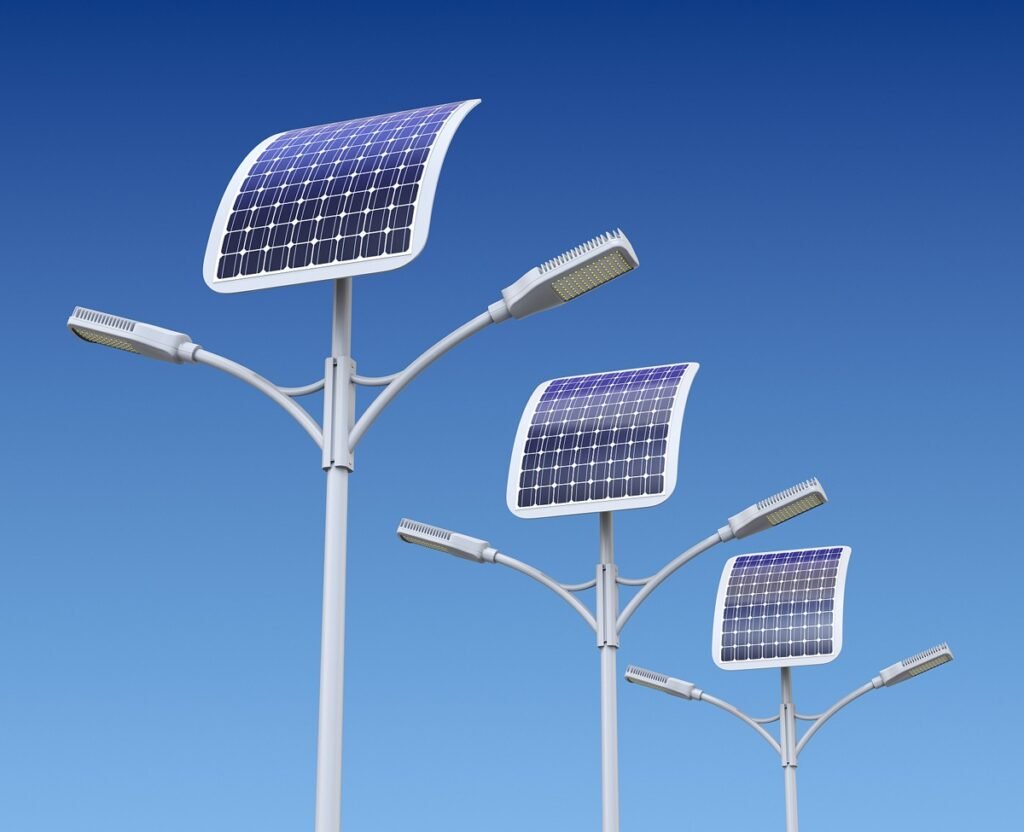
Solar lighting in street projects has emerged as a cost-effective, eco-friendly, and reliable alternative to traditional grid-powered systems. By harnessing solar energy, municipalities and developers can significantly reduce electricity bills, minimize carbon emissions, and provide consistent lighting in areas where electrical infrastructure may be limited or unreliable. With advancements in battery storage and LED efficiency, solar street lighting now offers high performance even in regions with varying weather conditions.
Key Benefits of Solar Lighting in Street and Road Illumination
1. Energy Efficiency and Sustinabilty
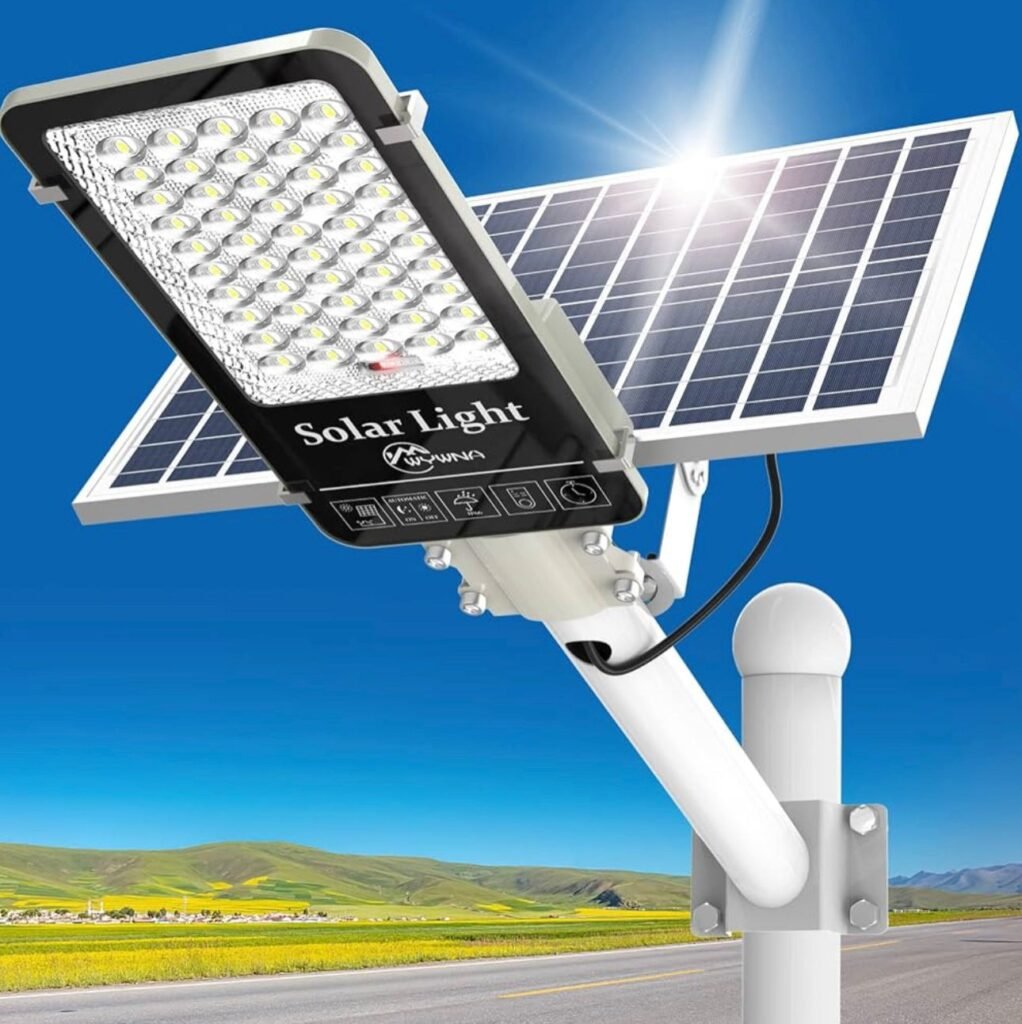
Solar lighting in street applications reduces dependence on fossil fuels and the electrical grid. The use of photovoltaic panels ensures renewable energy generation, contributing to long-term environmental sustainability.
2. Cost Savings and Low Maintenance
Compared to traditional street lights, solar-powered systems eliminate ongoing electricity costs and require less frequent maintenance. This makes them an ideal choice for both urban and rural projects.
3. Enhanced Safety and Security
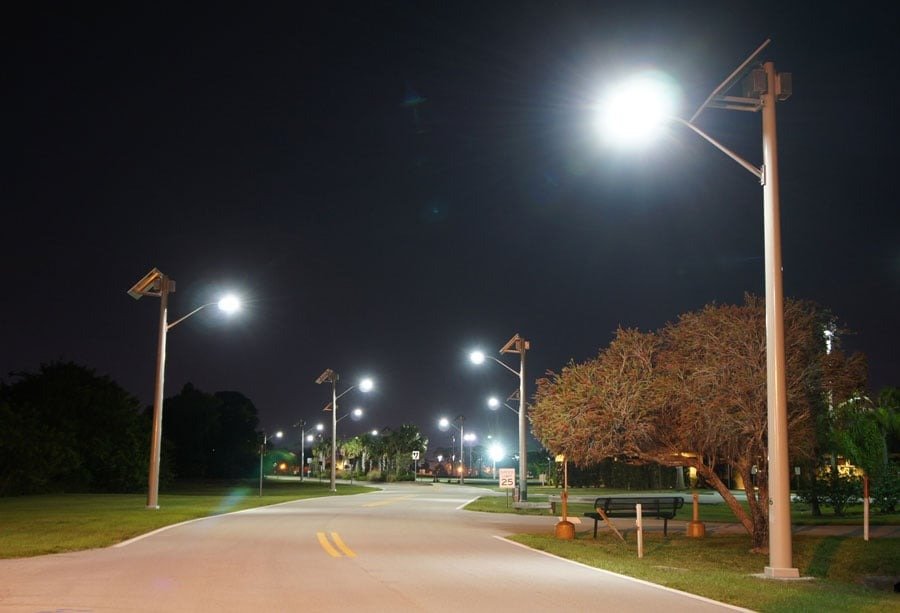
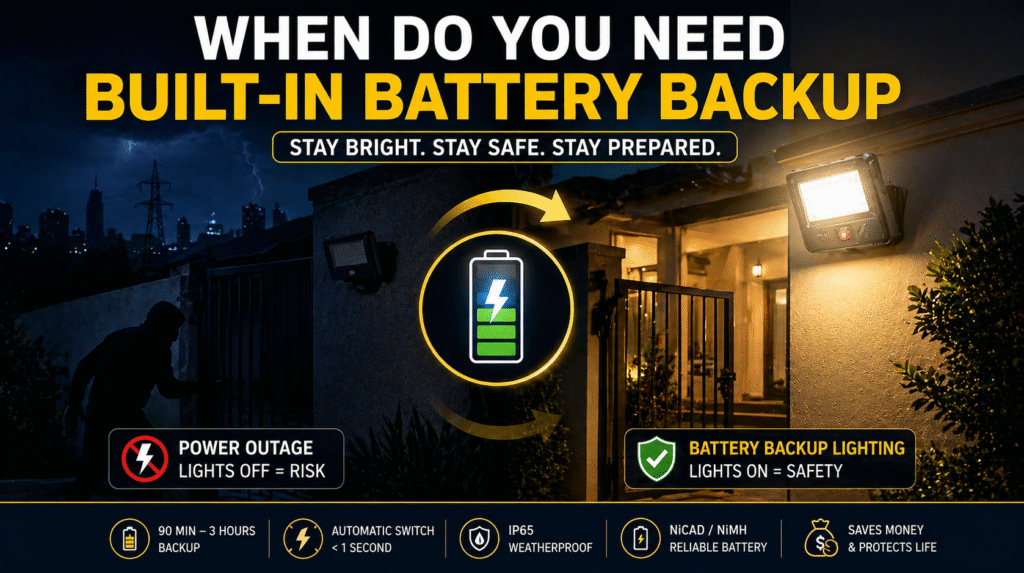
Well-lit streets reduce the likelihood of accidents and deter criminal activities. Solar lighting in street projects ensures consistent illumination even during power outages, enhancing public safety.
4. Easy Installation and Flexibility
Since solar lights do not require extensive underground wiring, they can be installed quickly in remote areas, construction zones, or disaster relief sites.
5. Resilience Against Power Cuts
One of the standout advantages is their independence from the central power grid. Even during blackouts, solar lighting in street environments continues to operate seamlessly, ensuring uninterrupted illumination for drivers, pedestrians, and cyclists.
Practical Applications of Solar Lighting in Street and Road Projects
Urban Roadways
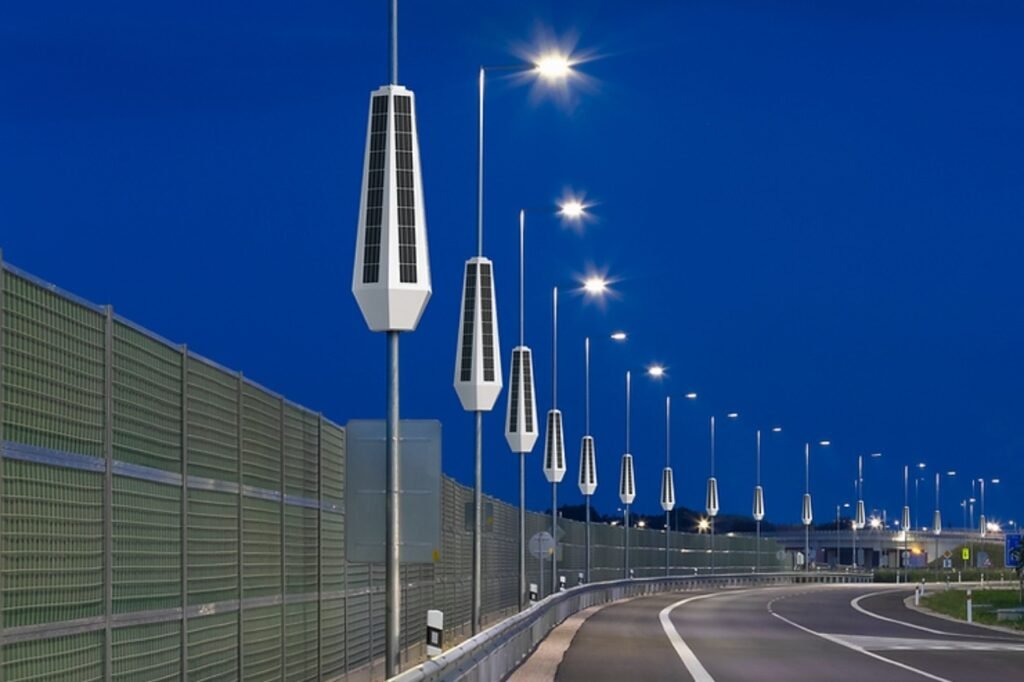
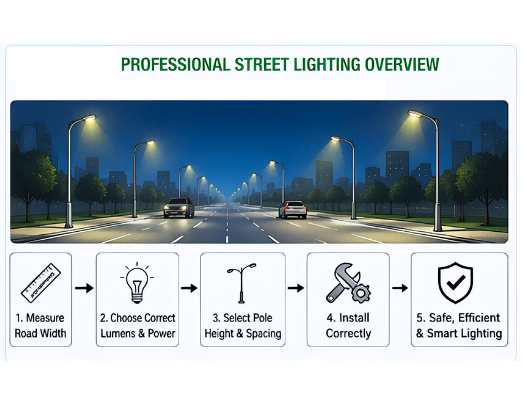
Cities increasingly rely on solar lighting in street setups to reduce operational costs and meet green energy goals. The adaptability of solar systems allows for integration into smart city infrastructure, with remote monitoring and dimming features for improved energy management.
Rural and Remote Areas
Solar lighting is particularly valuable in rural or isolated locations where grid connections are costly or impractical. These systems provide dependable illumination that supports transportation, commerce, and community gatherings.
Pedestrian Pathways and Cycling Routes
Solar lighting in street pathways enhances visibility and safety for non-motorized traffic, encouraging healthier and more eco-friendly transportation options.
Highways and Major Roads
Long stretches of roads can be illuminated without incurring massive grid installation costs. With durable, weather-resistant materials, solar lighting in street solutions withstand extreme conditions while delivering reliable light.
Smart City Integration
Modern solar lighting systems can be integrated into IoT-based urban management platforms, enabling automated brightness adjustments, fault detection, and energy usage reports.
Expert Insights and Recommendations
Urban planners and engineers should consider factors such as local sunlight availability, battery capacity, luminaire efficiency, and expected maintenance cycles when deploying solar lighting in street networks. A hybrid system, combining solar power with minimal grid backup, can further enhance reliability. Additionally, choosing high-quality photovoltaic panels and lithium-based batteries can ensure consistent performance over years of operation.
Take the Next Step Toward Sustainable Illumination
If you are ready to embrace the future of eco-friendly lighting, now is the time to invest in high-performance solar lighting in street projects. Whether for city roads, rural pathways, or large-scale infrastructure, our solutions deliver unmatched durability, efficiency, and savings.
Contact Falcon today to explore our range of solar lighting systems:
- Website: https://falcontgroup.com/
- Phone: 01001458515
Frequently Asked Questions about Solar Lighting in Street Applications
Q1: How long do solar street lights last?
A well-maintained solar street light can last between 5 to 15 years, depending on the quality of the components used.
Q2: Can solar lighting in street systems work in cloudy weather?
Yes, modern designs feature efficient solar panels and high-capacity batteries that store enough energy to function during cloudy or rainy days.
Q3: Are solar street lights bright enough for highways?
Absolutely. Many models are designed to meet or exceed highway lighting standards, with adjustable brightness levels.
Q4: What maintenance is required?
Regular cleaning of panels and periodic battery checks are usually sufficient to maintain performance.
Sources:
- U.S. Department of Energy – Solar Street Lighting Overview
- International Renewable Energy Agency – Solar Applications