A Strategic Introduction
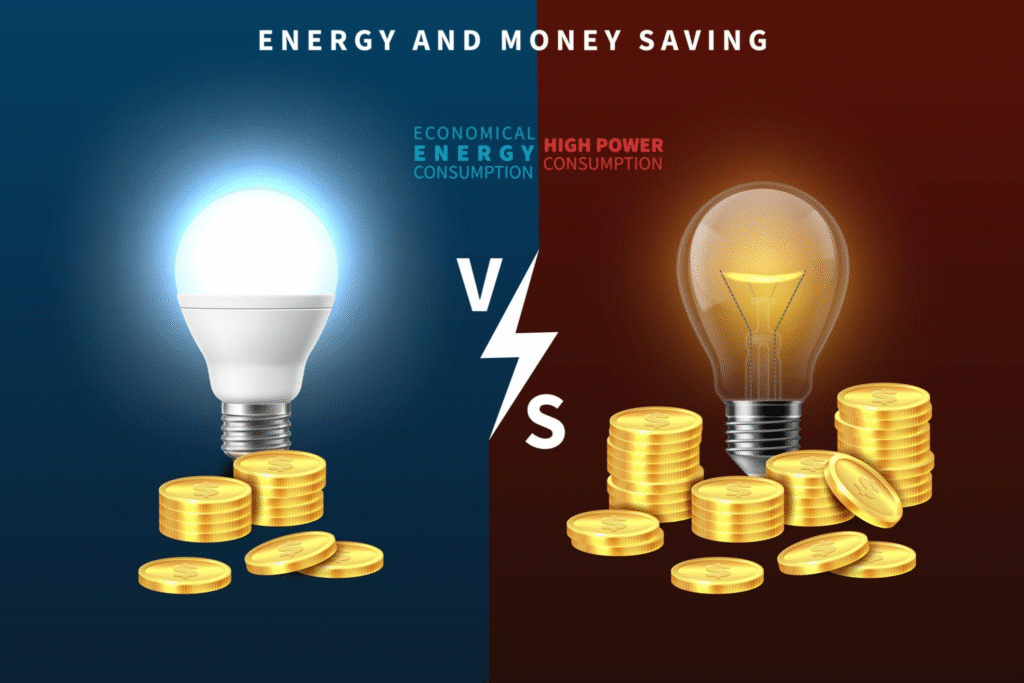
In recent years, LED lighting technologies have become one of the most important solutions used across various sectors, thanks to their advantages over traditional lamps. They not only provide high-quality, uniform illumination but also significantly reduce energy consumption, making them a preferred choice for both individuals and organizations.
When we talk about LED lighting technologies, we are not only referring to enhanced visibility and visual comfort, but also to supporting energy sustainability, reducing the carbon footprint, lowering long-term operational costs, and enabling smart city technologies. This makes LED lighting technologies not just a lighting tool but a long-term investment in efficiency, quality, and sustainability.
How Do LED Lighting Technologies Deliver These Benefits?
1. Uniform Light Distribution

LED lighting technologies are designed to distribute light evenly across required areas, reducing harsh shadows or excessive bright spots. This ensures greater visual comfort in classrooms, offices, or even sports arenas where clear visibility is essential.
2. Reduced Glare
LED lighting technologies have the ability to control light intensity and angles, minimizing direct glare on the eyes. This is especially important in hospitals and offices, where glare can cause visual fatigue and negatively affect performance.
3. High Energy Conversion Efficiency
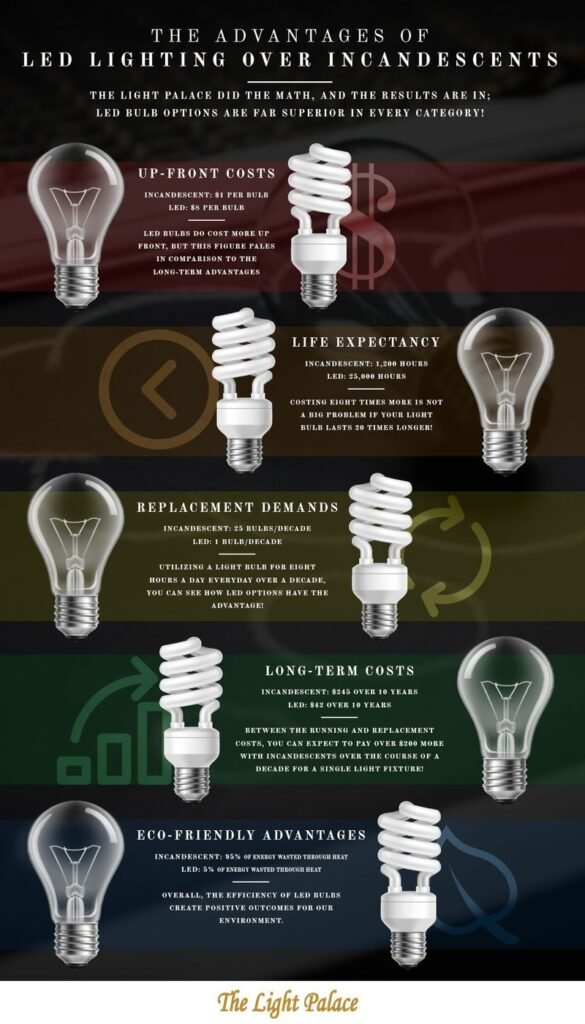
While traditional lamps lose a large part of their energy as heat, LED lighting technologies convert most of the energy into visible light. This high efficiency makes them more cost-effective, helping large institutions like universities and factories significantly reduce their operational expenses.
4. Long Lifespan
LED lighting technologies can operate for tens of thousands of hours without noticeable loss in intensity. This reduces the need for frequent replacements or maintenance, saving both time and money, especially in public or commercial facilities.
5. Smart Control Compatibility
LED lighting technologies fully integrate with modern control systems, including motion sensors, dimming systems, and smart lighting networks in cities. This flexibility allows lighting to be activated only when needed, and brightness adjusted depending on the environment, reducing unnecessary energy consumption.
6. Enhanced Color Rendering
A key advantage of LED lighting technologies is their ability to render colors closer to natural light compared to traditional sources. This is particularly important in retail stores and art galleries, where accurate color presentation is crucial to showcasing products or artworks.
7. Sustainability and Eco-Friendliness
In addition to energy savings, LED lighting technologies do not contain hazardous materials such as mercury, unlike some traditional lamps. This makes them safer for the environment and easier to dispose of after their lifecycle ends.
Applications of LED Lighting Technologies and Their Impact
1. Residential Spaces
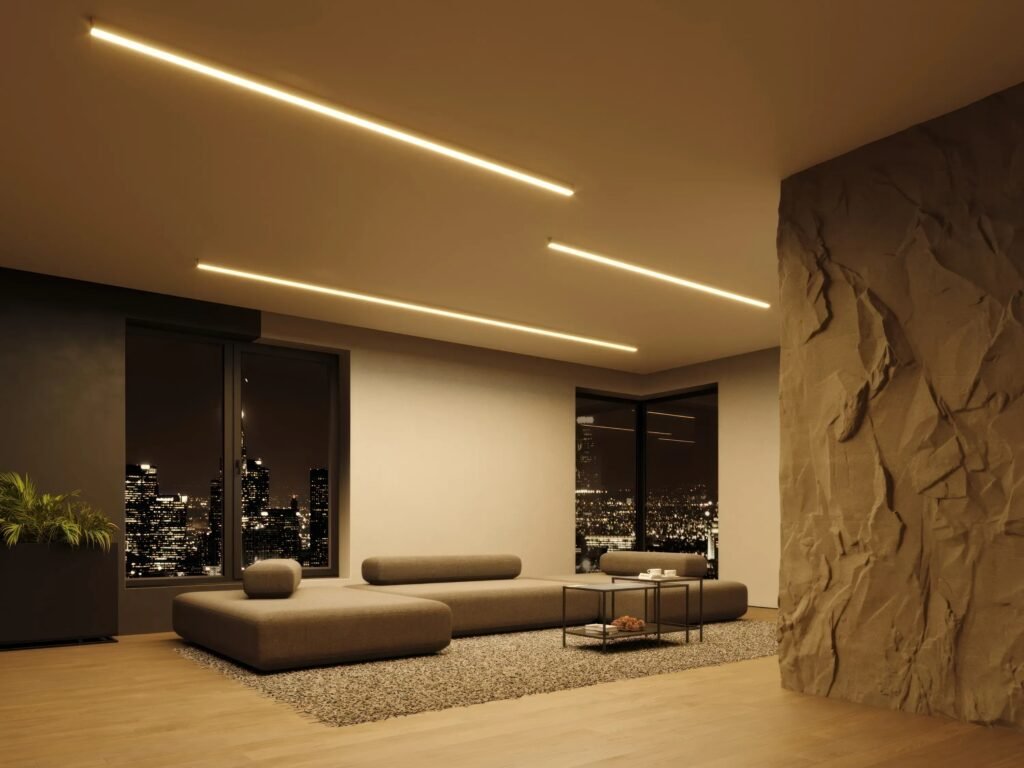
In homes, LED lighting technologies directly enhance eye comfort and the overall atmosphere. Thanks to uniform lighting, they create a cozy environment suitable for activities like reading or relaxing, while saving up to 70% of energy compared to traditional lamps.
2. Service Environments (Hospitals and Government Offices)
In sensitive environments such as hospitals, LED lighting technologies play a crucial role in reducing visual fatigue for patients and staff. Clear, glare-free lighting enhances efficiency, reduces errors, and ensures low energy consumption.
3. Educational Spaces

Classrooms and libraries require balanced lighting that promotes focus and cognitive performance. Implementing LED lighting technologies in these settings helps create ideal learning environments while significantly reducing operating costs for schools and universities.
4. Commercial Spaces
Shops and showrooms heavily rely on quality lighting to display products. LED lighting technologies enhance color clarity and highlight details, supporting customer purchase decisions. At the same time, they reduce energy consumption and monthly bills.
5. Sports Facilities
Stadiums and gyms require uniform light distribution to ensure visibility for both players and spectators. LED lighting technologies effectively achieve this balance, enhancing the sports experience while cutting electricity costs.
6. Public Spaces and Streets
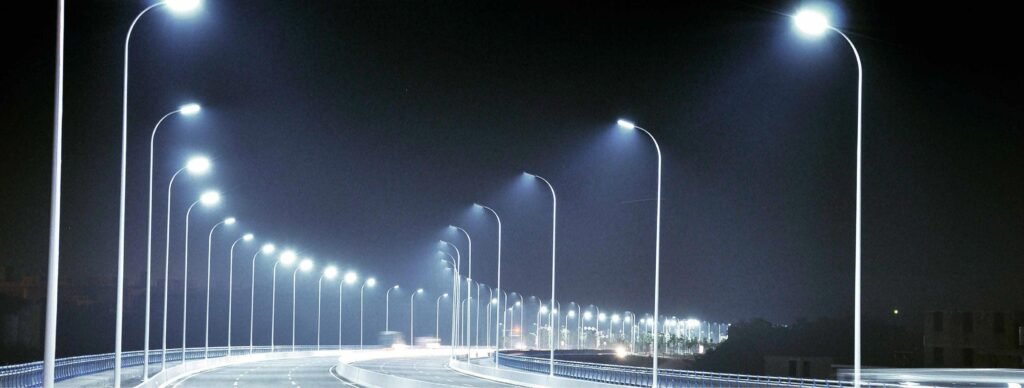
In streets and public parks, LED lighting technologies improve safety levels through clear and uniform lighting. They also reduce large-scale energy consumption, supporting smart city strategies.
Key Advantages of LED Lighting Technologies
- Improved Visual Quality: Provides uniform distribution and reduces contrast and glare (UGR).
- Energy Efficiency: Consumes up to 70% less energy compared to traditional lighting.
- Sustainability: Eco-friendly, reducing carbon emissions.
- Lower Operational Costs: Minimizes maintenance and monthly bills.
- Smart Integration: Supports sensors and modern management applications.
How Falcon Products Drive LED Lighting Technologies Development
Falcon provides advanced lighting solutions based on cutting-edge LED lighting technologies, tailored to meet the needs of all sectors. Our products are characterized by:
- High energy efficiency reducing electricity consumption.
- Superior light quality enhancing visual comfort and productivity.
- Durable designs suitable for residential, commercial, and industrial environments.
- Innovative features such as weatherproof and smart lighting compatible with modern control systems.
With Falcon, you don’t just get high-quality lighting—you get integrated solutions that support savings, sustainability, and real impact for your projects.
📞 Contact us: 01001458515
🌐 Visit our website: falcontgroup.com
Extended FAQs
Why is LED lighting technologies better for homes?
They provide natural, balanced light with adjustable color temperatures, creating a cozy indoor atmosphere. They also reduce electricity bills and last longer than traditional lamps, resulting in long-term cost savings.
How do LED lighting technologies support office environments?
By reducing glare (UGR) and improving light distribution, they decrease eye strain and boost employee productivity. Smart lighting control also provides greater flexibility, creating a motivating and comfortable work environment.
Are LED lighting technologies suitable for schools?
Yes. They provide stable, flicker-free light that supports student focus and reduces mental fatigue. Properly designed lighting with suitable CCT enhances learning environments and improves comprehension.
What is the importance of LED lighting in hospitals?
They enhance precise visibility for medical teams during surgeries and sensitive procedures, while providing a more comfortable environment for patients. Reduced energy use also helps hospitals save on 24/7 operational costs.
Can LED lighting be used in sports arenas?
Absolutely. They deliver strong, uniform illumination ensuring clear visibility for both players and spectators. LED stadium lighting also provides long-term stability and supports high-quality TV broadcasting thanks to flicker-free performance.