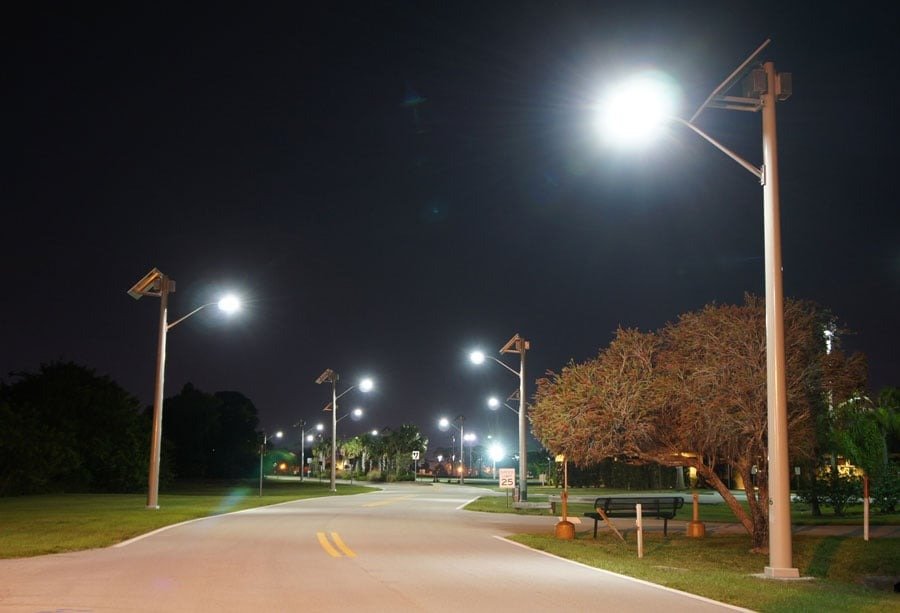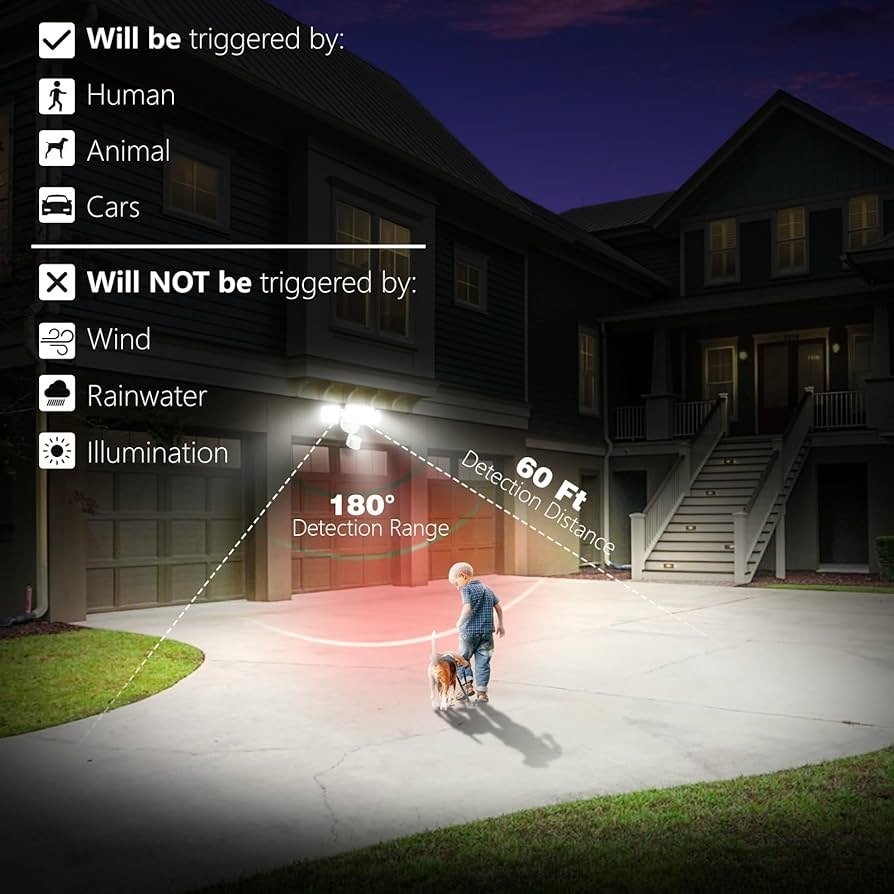
Energy efficiency has become a fundamental aspect of modern building design and operation. Despite major advancements in lighting technologies, many facilities still experience high electricity consumption due to repeated and avoidable lighting mistakes. These mistakes lead to what is known as lighting energy waste, which results from poor lighting selection, improper operation, and lack of strategic planning.
In most cases, the problem is not the absence of advanced technology, but weak design decisions, insufficient control systems, and limited understanding of actual lighting needs. Reducing lighting energy waste starts with identifying these common errors and addressing them systematically.
1. Using Lighting Fixtures with Excessive Power
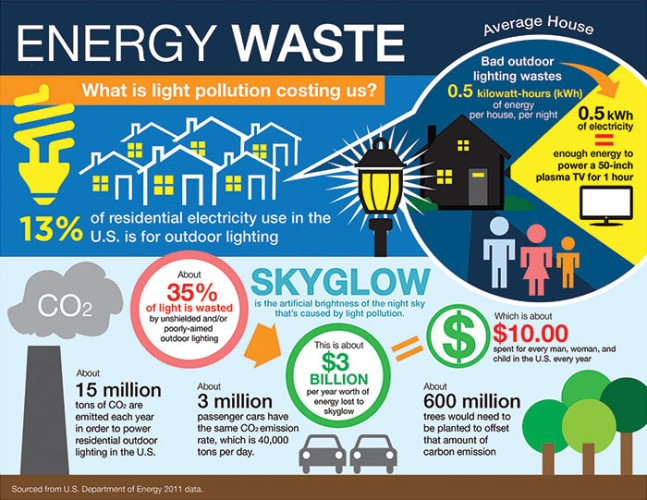
One of the most common causes of lighting energy waste is overlighting. Many spaces are illuminated at levels far higher than required, based on the assumption that brighter lighting always means better quality.
This approach leads to:
- Unnecessary electricity consumption
- Increased heat generation
- Shortened fixture lifespan
- Visual discomfort and glare
Proper lighting design relies on calculated illumination levels based on task requirements, which directly reduces lighting energy waste.
2. Neglecting Lighting Control Systems
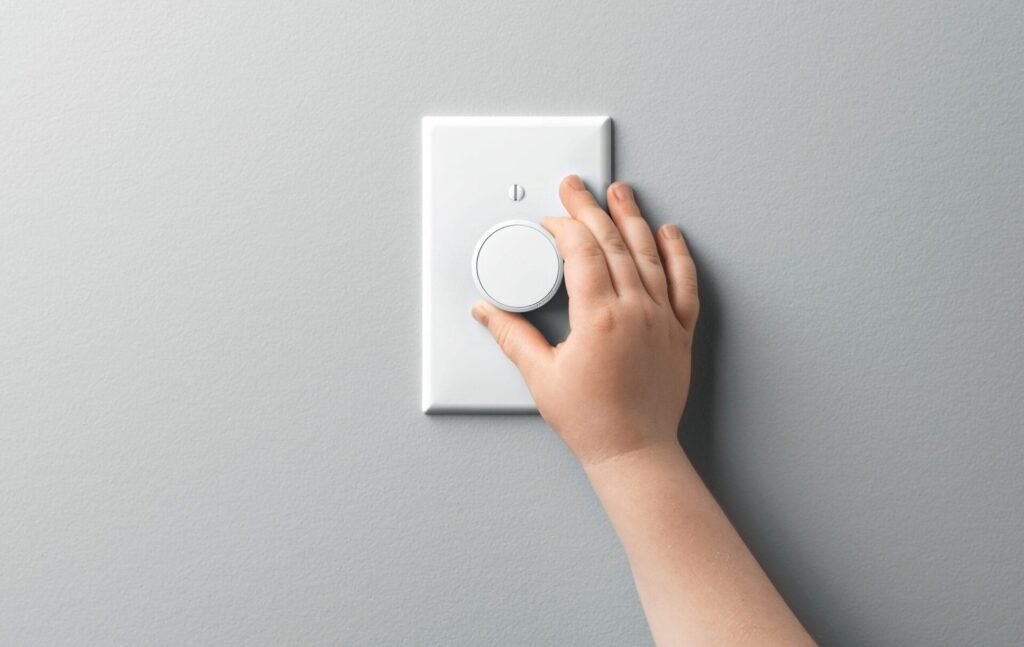
Operating lighting without control systems is a major contributor to lighting energy waste. Lights that remain on regardless of occupancy or daylight availability consume power without delivering value.
Common control-related mistakes include:
- Lack of occupancy sensors in corridors and storage areas
- Absence of daylight sensors near windows
- Reliance on manual switching only
- No scheduling or automation
Modern lighting controls significantly reduce lighting energy waste by ensuring lights operate only when needed.
3. Poor Lighting Layout and Fixture Distribution
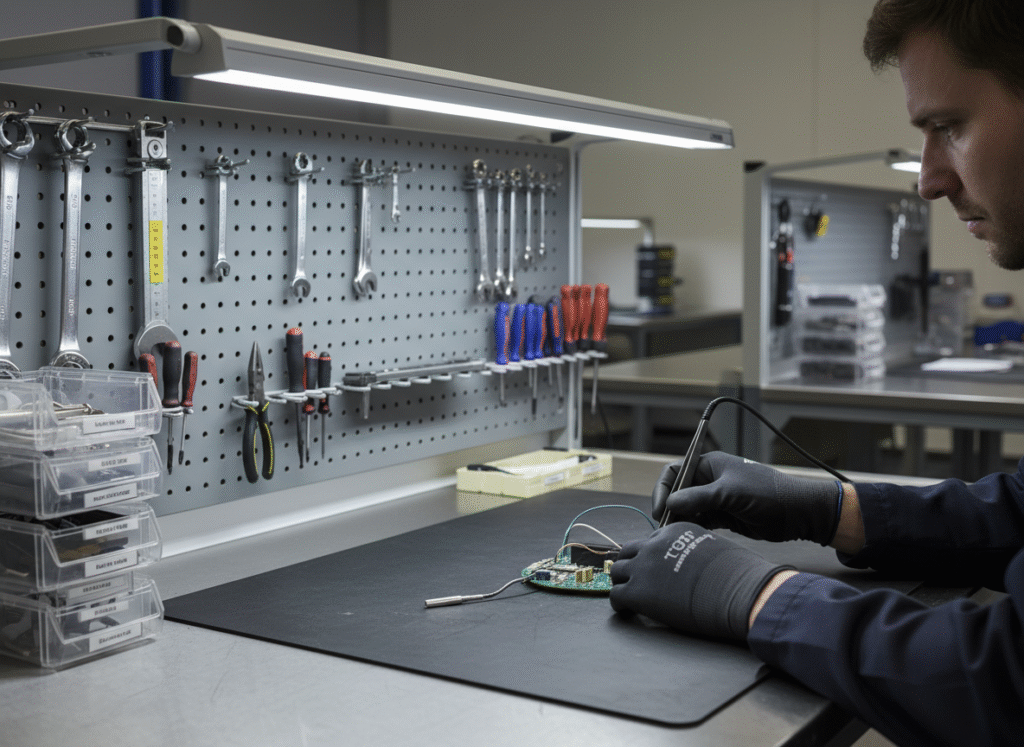

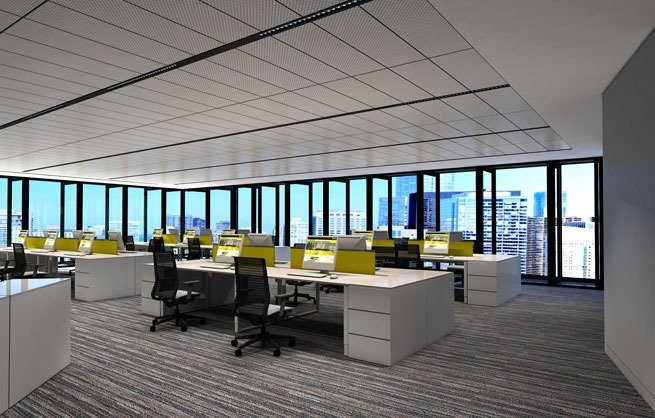
Even energy-efficient luminaires can cause lighting energy waste if they are poorly positioned. Incorrect placement creates uneven illumination, resulting in dark zones and overlit areas.
This imbalance causes users to:
- Increase brightness to compensate
- Add unnecessary fixtures
- Raise overall energy consumption
Balanced and well-planned lighting layouts minimize lighting energy waste while improving visual quality.
4. Relying on Outdated or Inefficient Lighting Technologies
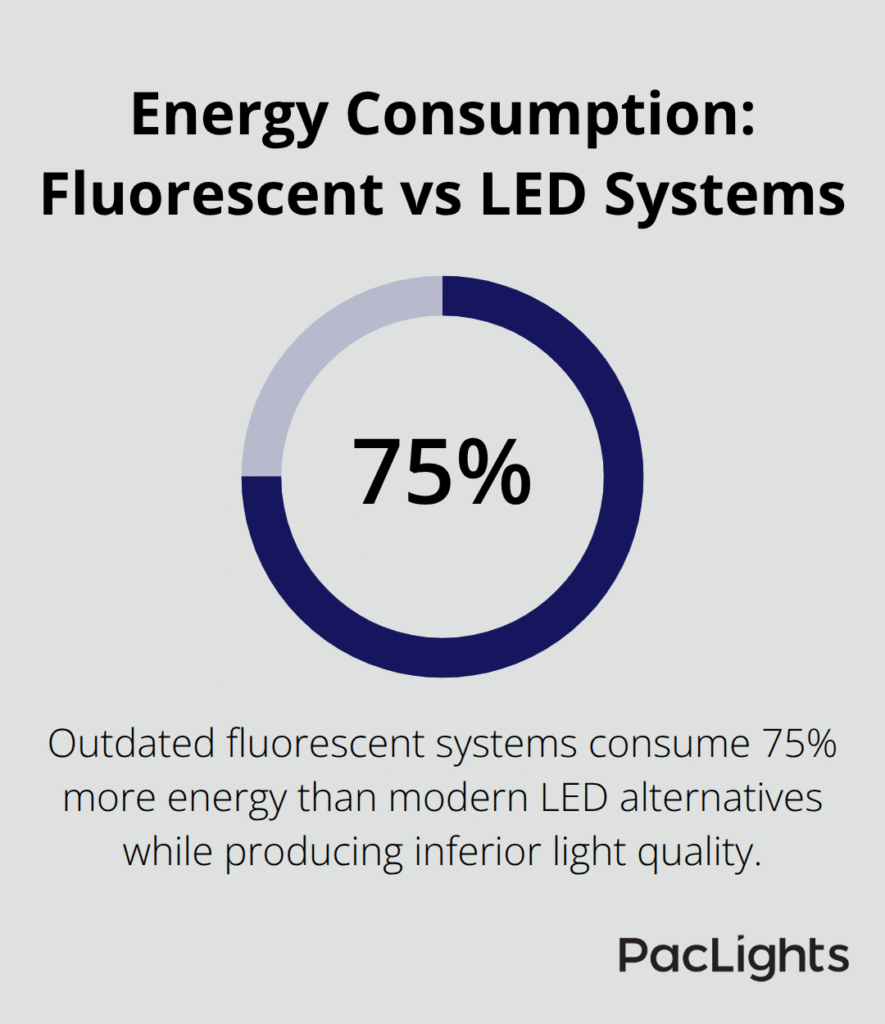
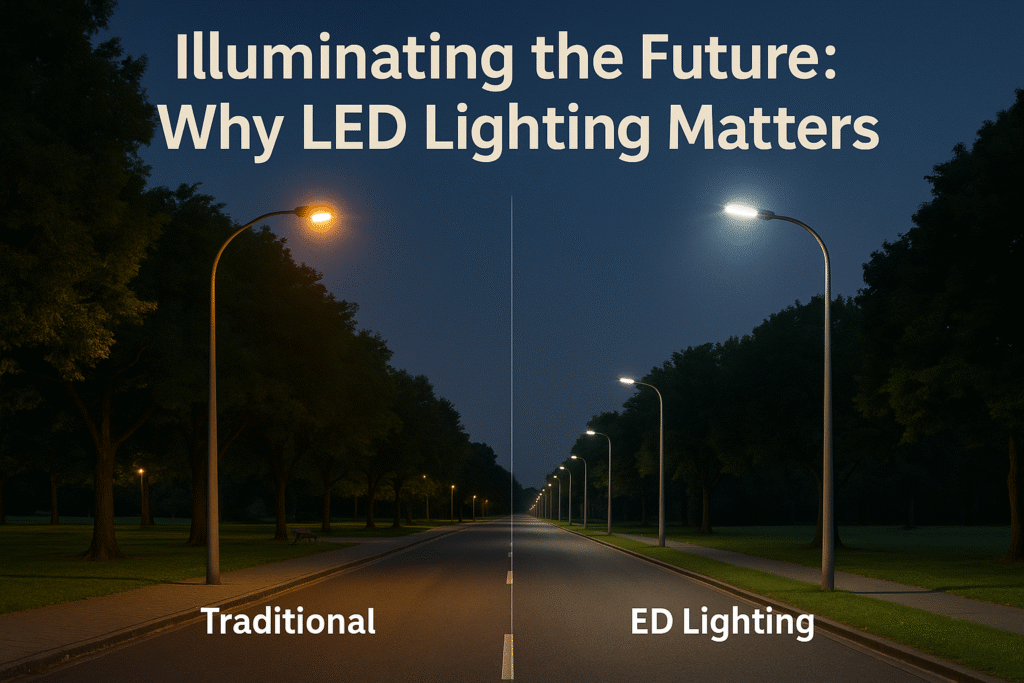
Using outdated lighting technologies is a direct source of lighting energy waste. Traditional light sources consume more power and generate more heat compared to modern LED systems.
Inefficient lighting systems:
- Deliver lower lumens per watt
- Require frequent replacement
- Increase operational costs
- Contribute significantly to lighting energy waste
Upgrading to high-efficiency LED lighting is one of the most effective ways to reduce energy waste.
5. Ignoring Regular Maintenance and Cleaning

Over time, dust accumulation and component degradation reduce light output. Instead of addressing the root cause, brightness is often increased or additional fixtures are installed, resulting in lighting energy waste.
Common maintenance mistakes include:
- Failure to clean luminaires
- Ignoring lumen depreciation
- Delaying replacement of faulty components
Regular maintenance preserves performance and prevents unnecessary lighting energy waste.
6. Selecting an Inappropriate Color Temperature
Incorrect color temperature selection can indirectly increase lighting energy waste. Lighting that does not match the space or activity reduces visual comfort and leads users to raise brightness levels unnecessarily.
Choosing the correct color temperature:
- Improves visual clarity
- Reduces eye strain
- Prevents unnecessary brightness increases
- Helps limit lighting-energy waste
7. Failing to Apply Zoning and Task Lighting
Uniform lighting across an entire space is a common mistake that increases lighting-energy waste. Not all areas require the same illumination level at all times.
Zoning and task lighting allow:
- Lower ambient lighting levels
- Focused illumination where needed
- Reduced total power consumption
This strategy significantly reduces lighting-energy waste without compromising functionality.
8. Ignoring Occupant Behavior
User behavior plays a critical role in lighting-energy waste. Leaving lights on in unoccupied spaces or failing to adjust lighting based on activity leads to unnecessary energy use.
Providing user education and intuitive control systems helps reduce lighting-energy waste consistently.
9. Not Implementing Smart Lighting Systems
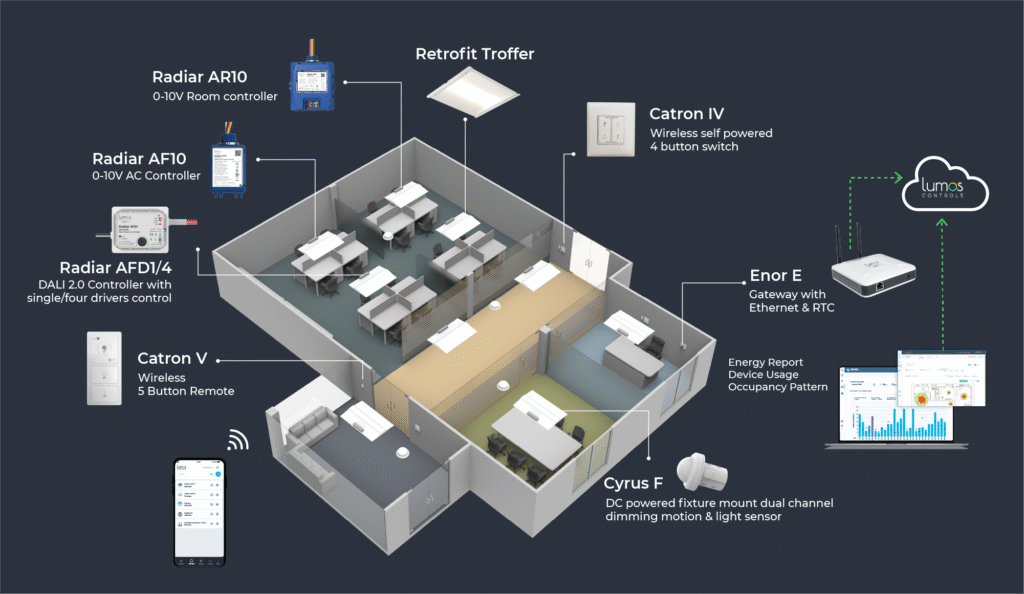
Buildings that do not adopt smart lighting solutions often experience higher lighting-energy waste, even when modern luminaires are installed.
Smart lighting systems:
- Automatically adjust brightness
- Respond to occupancy and daylight
- Reduce unnecessary operation
- Effectively minimize lighting-energy waste
10. Economic and Environmental Impact of Lighting Energy Waste
Lighting energy waste affects more than utility bills. It increases environmental impact and accelerates system wear.
Reducing Lighting-energy waste results in:
- Lower operating costs
- Reduced carbon emissions
- Extended lighting system lifespan
- Improved sustainability performance
Conclusion
Many buildings waste energy not due to technological limitations, but because of avoidable lighting mistakes. Understanding and correcting these issues is essential for reducing Lighting-energy waste and achieving efficient lighting performance.
Through proper design, modern technologies, smart controls, and responsible usage, Lighting energy waste can be significantly reduced while maintaining high lighting quality and occupant comfort. Reducing waste is not just about saving energy—it is a long-term investment in efficiency and sustainability.
Sources:
- Illuminating Engineering Society (IES) – Lighting Design Standards
- National Renewable Energy Laboratory (NREL) – Lighting Research