A Bright Beginning
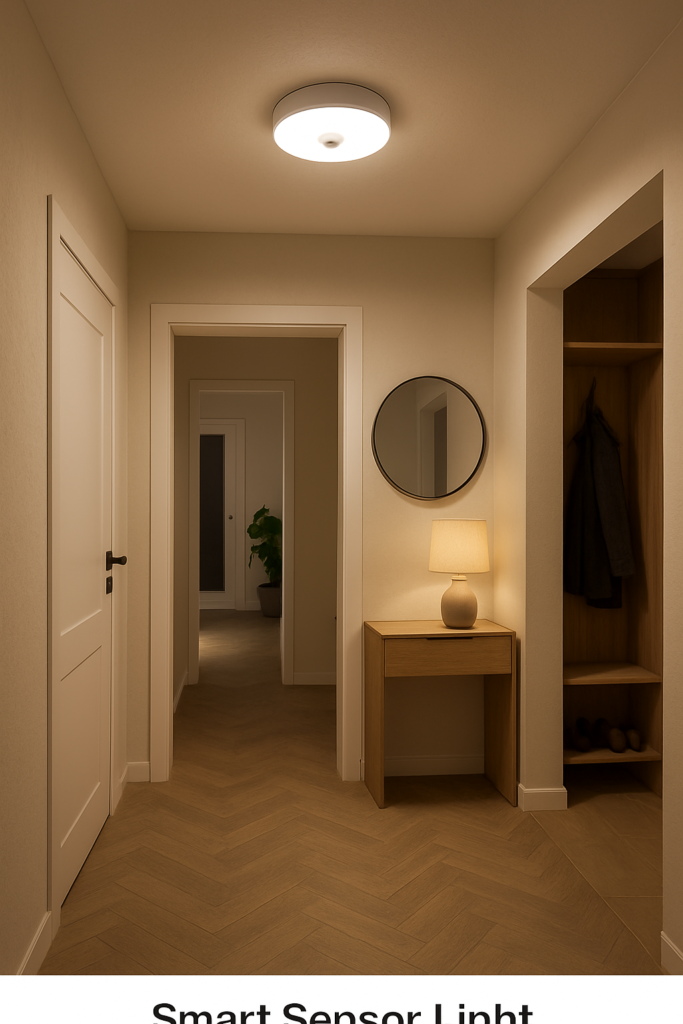
Sensor lights automatic lighting technology is rapidly transforming how we design and experience our living and working environments. In a world rapidly moving towards smart, sustainable solutions, sensor lights are becoming a cornerstone in modern building design. These motion-detecting lights, powered by smart sensors, are revolutionizing energy efficiency, comfort, and safety. But what exactly are sensor lights? How does automatic lighting technology detect presence and light up without touching a switch? In this smart guide, we’ll break down how sensor lights work, explore different sensor types, and show you where to use them to turn any space into a smart, safe, and energy-saving environment.
The Mechanism Behind Sensor Lights: Lighting Up Without a Switch
Sensor lights operate using motion detection or environmental changes. They’re a core part of a broader concept known as smart environments.
Types of Sensors in Automatic Lighting Technology

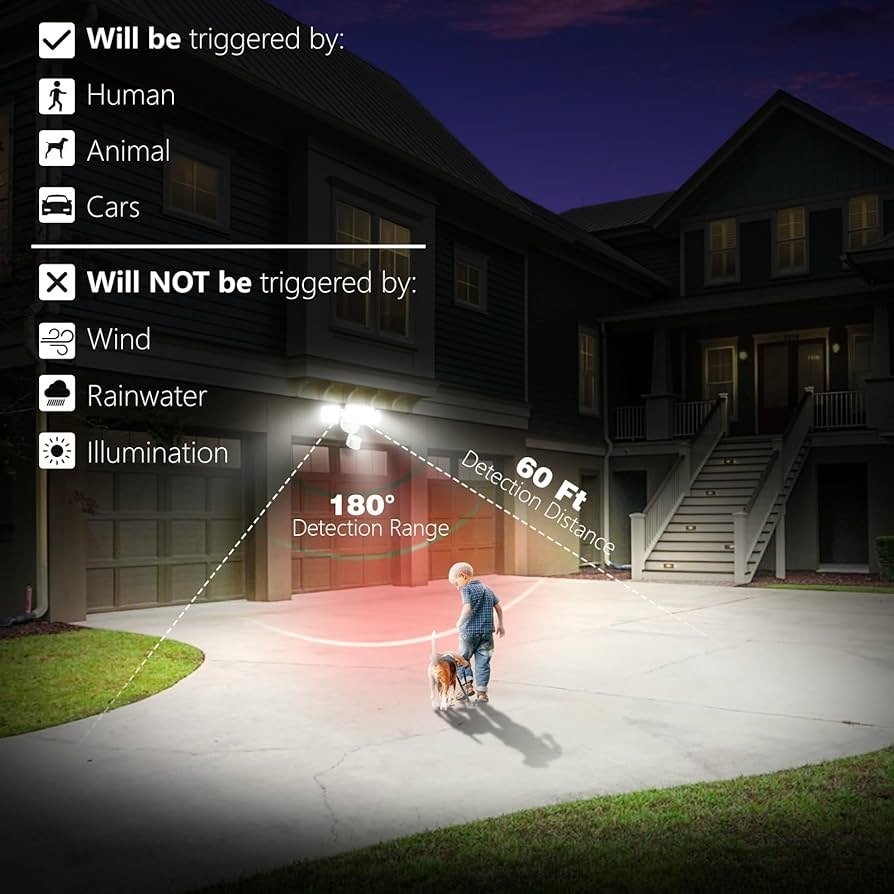
- PIR (Passive Infrared) Sensors: Detect heat emitted by human bodies and activate lights accordingly.
- Microwave Sensors: Emit waves and monitor reflections to detect motion—highly sensitive and effective.
- Ambient Light Sensors: Ensure the light only activates when natural light is insufficient.
Smart Activation Steps
- A sensor detects motion or a change in lighting.
- It sends a signal to the control unit.
- The light switches on automatically.
- After a preset period of inactivity, the light turns off to save energy.
Key Benefits of Sensor Lights Automatic Lighting Technology
Energy Efficiency
By functioning only when necessary, sensor lights can reduce energy consumption by up to 60% compared to traditional lighting systems.
Enhanced Safety
Lights that turn on when motion is detected deter intruders and improve security in outdoor areas like pathways and gardens.
User Convenience
No more fumbling for switches—sensor lights activate automatically when you enter a space.
Common Applications of Automatic Lighting Technology
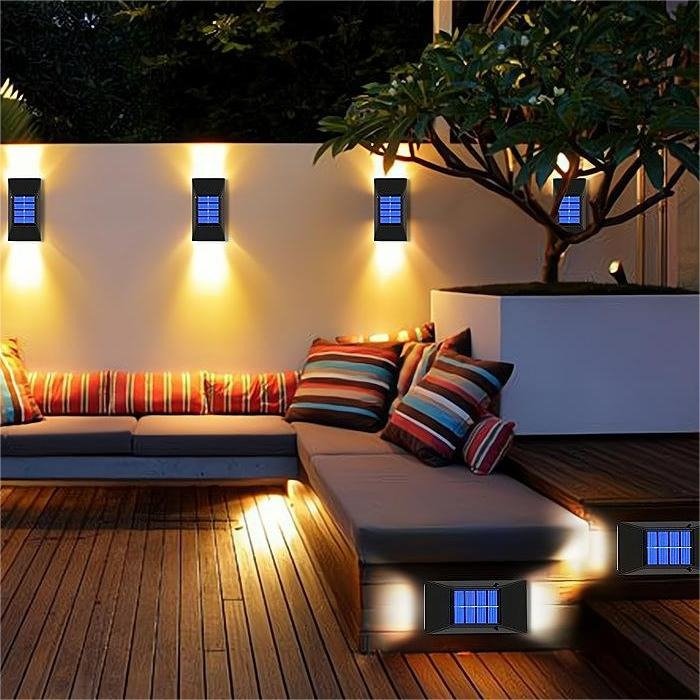
- Gardens and Outdoor Pathways
- Home Entrances
- Parking Areas
- Bathrooms and Storage Rooms
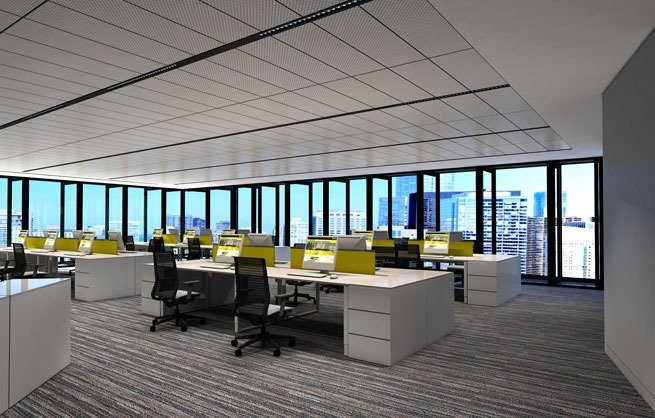
- Smart Offices
Case Study: Smart Sensor Lighting in Government Facilities

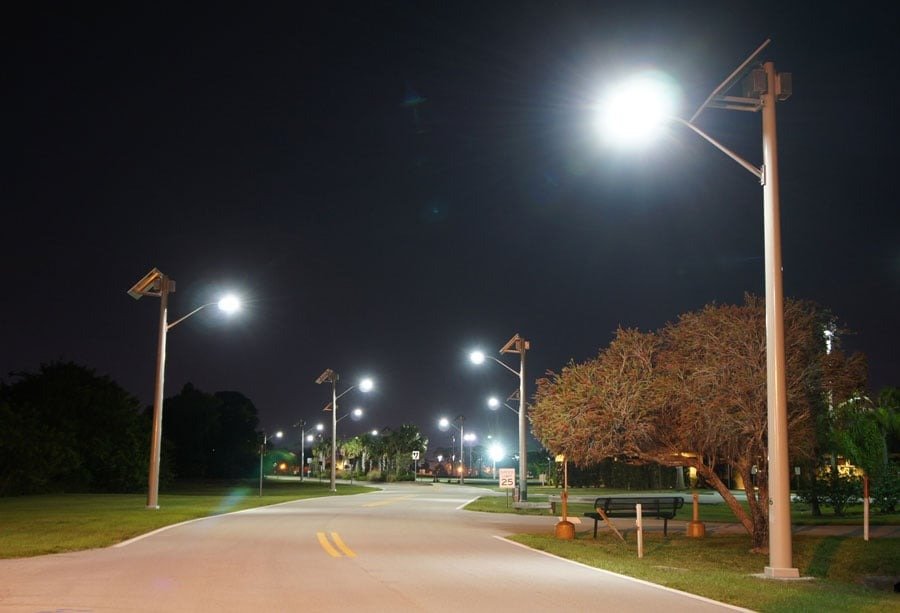
In a recent government project in Riyadh, microwave sensor lights were installed in public parking areas. The results were impressive:
- 48% drop in energy usage
- Improved night-time security
- Reduced maintenance costs due to shorter operating hours
What to Consider When Choosing Sensor Lights Automatic Lighting Technology
- Sensor Type: Choose PIR or microwave depending on indoor/outdoor use
- Delay Time Settings: Some systems let you set how long the light stays on
- Light Intensity: Pick the right brightness for residential, commercial, or industrial areas
- Weather Resistance: Ensure durability for outdoor installations
Take Action Now (CTA)

Want to boost your space’s efficiency and security? Now is the perfect time to invest in sensor lights automatic lighting technology. Contact Falcon Electronics & Electric Industries for a free consultation and smart lighting solutions tailored to your needs.
Frequently Asked Questions
Q: Do sensor lights work during the day?
A: Yes, sensor lights can function during the day, especially if they are not equipped with ambient light sensors. However, most sensor lights automatic lighting technology systems include daylight detection to avoid unnecessary energy use when natural light is sufficient.
Q: Can I control the sensitivity of the sensor?
A: Absolutely. Most modern sensor lights automatic lighting technology systems come with adjustable settings. You can fine-tune both motion sensitivity and delay time to match the specific needs of your space—whether it’s a quiet hallway or a busy entrance.
Q: Will sensor lights reduce my electricity bill?
A: Definitely. By turning on only when needed, sensor lights automatic lighting technology can reduce electricity usage by 30–60%, depending on the environment and usage pattern. This translates to significant savings over time, especially in large commercial or industrial areas.
Q: Where are sensor lights most effective?
Sensor lights automatic lighting technology is ideal for areas where lighting is used intermittently. Think of hallways, entrances, staircases, storage rooms, restrooms, and parking lots. In these spaces, automatic lighting ensures both convenience and energy savings without the hassle of manual switches
Sources:
- International Energy Agency – Smart Lighting Reports
- U.S. Department of Energy – Sensor-Based Lighting
- ResearchGate Study: “Motion Sensor Lighting Impact on Energy Use”