The Role of Sustainable Lighting in Modern Energy Management
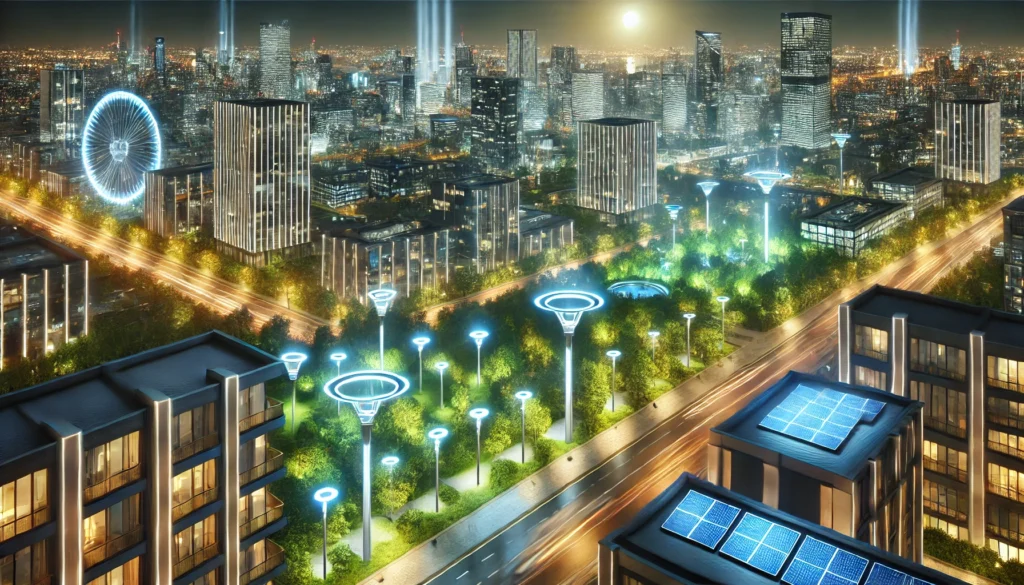
Sustainable lighting is key to cutting energy use and protecting the environment. With rising global demand, energy-efficient lighting helps homes, businesses, and governments lower electricity consumption, reduce emissions, and build a greener future.
Optimizing sustainable lighting impact cuts energy bills and carbon footprints, supporting global sustainability. Whether in homes or industries, the benefits are clear—who doesn’t love saving on electricity??
How Sustainable Lighting Reduces Energy Consumption
1. Energy-Efficient LED Technology
One of the primary contributors to sustainable lighting impact is LED technology. Compared to traditional incandescent bulbs, LEDs consume up to 80% less energy while providing the same or even superior illumination. Additionally, LEDs have a longer lifespan, reducing the frequency of replacements and minimizing waste.
2. Smart Lighting Systems
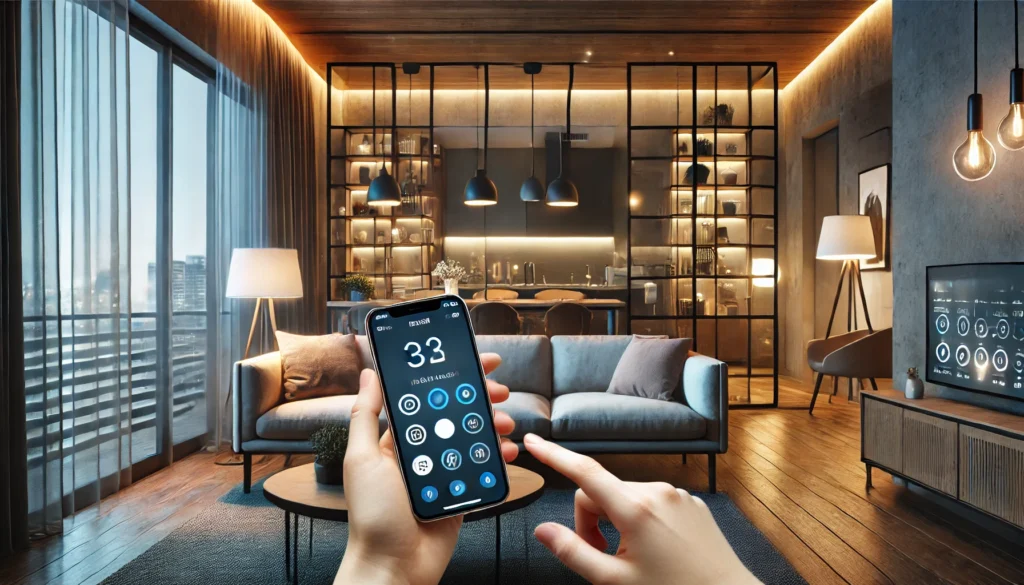
Smart lighting solutions leverage automation and IoT connectivity to optimize energy usage. These systems can:
- Adjust brightness based on natural light levels
- Turn off lights when rooms are unoccupied
- Be controlled remotely through smartphone applications
Smart lighting can cut energy use by up to 50%, making homes and businesses more efficient. And let’s be honest—who wouldn’t love adjusting lights with just a voice command for the perfect movie night?
3. Daylight Harvesting
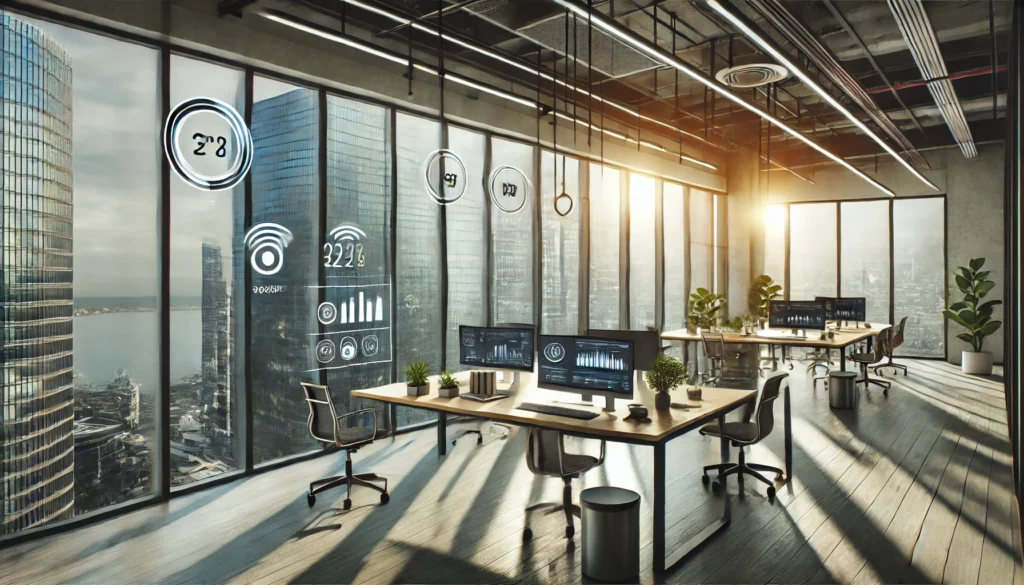
Daylight harvesting systems use sensors to adjust lighting based on natural light levels, reducing energy use while maintaining indoor comfort. The sustainable lighting impact makes this an ideal choice for energy-efficient buildings.
4. Motion Sensors and Timers
Motion sensors and timers cut unnecessary energy use by activating lights only when needed, reducing electricity bills and carbon footprints. The sustainable lighting impact of these tools makes efficiency effortless.
No more leaving the lights on “just in case”—your home will handle it for you! Plus, no more arguments about who forgot to turn the lights off.
5. Renewable Energy Integration
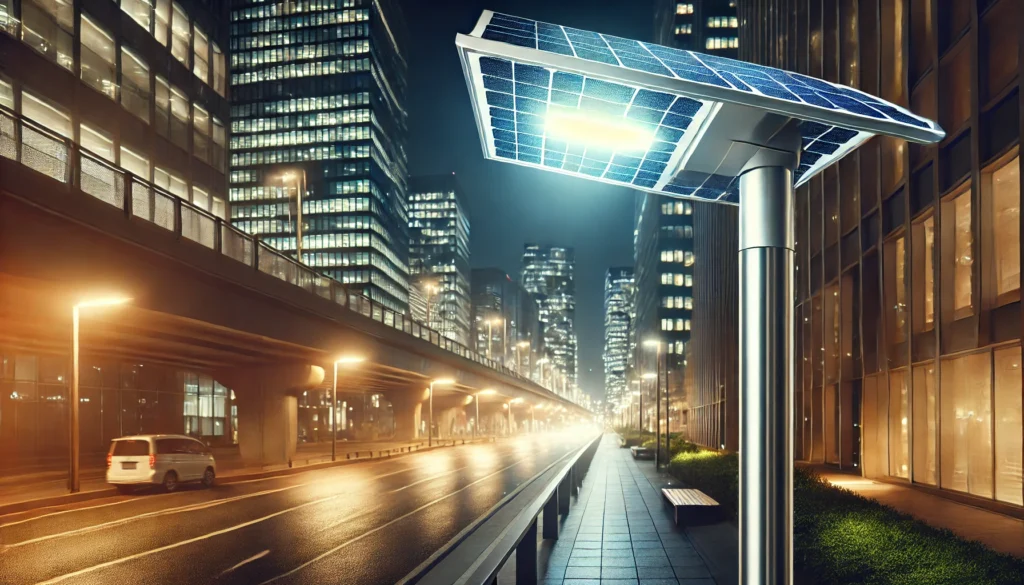
Integrating renewable energy, like solar-powered lighting systems, enhances sustainable lighting. Using photovoltaic panels, these systems store energy, making them perfect for outdoor and remote areas. The sustainable lighting impact is especially vital in regions with limited electricity access.
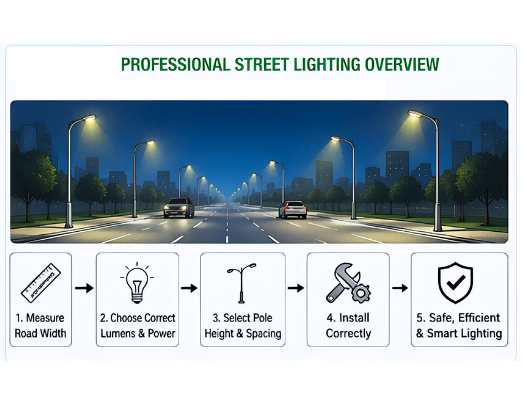
For example, solar streetlights have been widely adopted in cities like Los Angeles, reducing municipal energy expenses and enhancing nighttime visibility. And let’s be real—there’s something extra cool about knowing your porch light runs on sunshine!
Case Study: Energy Savings with Sustainable Lighting
A study by the U.S. Department of Energy found that switching to energy-efficient lighting cut electricity costs by 60% in commercial buildings. Cities using LED streetlights also saved millions annually while enhancing safety. This real-world example highlights the sustainable lighting impact.
Frequently Asked Questions (FAQ)
1. How much energy can I save by switching to sustainable lighting?
Switching to LED lighting alone can cut energy use by up to 80%, and incorporating smart lighting can further enhance savings. The sustainable lighting impact varies based on implementation but is always substantial.
2. Are smart lighting systems difficult to install?
Most smart lighting systems are user-friendly and can be installed with minimal effort. Many solutions offer wireless connectivity and can be controlled via smartphone apps, increasing the sustainable lighting impact in modern homes. And let’s face it—there’s something undeniably fun about telling your lights what to do like you’re in a sci-fi movie!
3. Is sustainable lighting more expensive upfront?
While initial costs may be higher, the long-term savings in energy bills and maintenance costs make sustainable lighting a cost-effective investment. The sustainable lighting impact ensures that the investment pays off over time. Plus, think of all the money you’ll save on replacement bulbs!
The Future of Sustainable Lighting
Lighting technology is evolving rapidly, bringing smarter and greener solutions. Advances like human-centric lighting, AI-driven optimization, and solar integration are transforming the industry. Embracing sustainable lighting now means a brighter, more efficient future for all.
With AI-powered smart bulbs on the horizon, who knows? Maybe your lights will soon predict your mood and adjust accordingly—goodbye, harsh lighting after a long day! The sustainable lighting impact of AI is set to redefine home automation.
Take Action: Upgrade to Sustainable Lighting Today
Switching to sustainable lighting is a simple yet impactful way to cut energy costs and reduce environmental impact. Whether it’s LED bulbs, smart lighting, or solar-powered solutions, every choice counts. Make the switch today and enjoy energy-efficient, eco-friendly illumination!
Brighter choices mean a greener future! Let the sustainable lighting impact guide us toward a better world—because who says saving the planet can’t be well-lit and stylish?
Sources
- U.S. Department of Energy
- ScienceDirect
- Journal of Building Performance
- National Renewable Energy Laboratory (NREL)
Suggested Topics
- Exciting Innovations in Eco-Friendly Lighting Design
- Reducing Carbon Footprint: Revolutionary Green Lighting Technologies
- Smart Bulbs: How to Choose the Right One for Your Home (Ultimate Guide