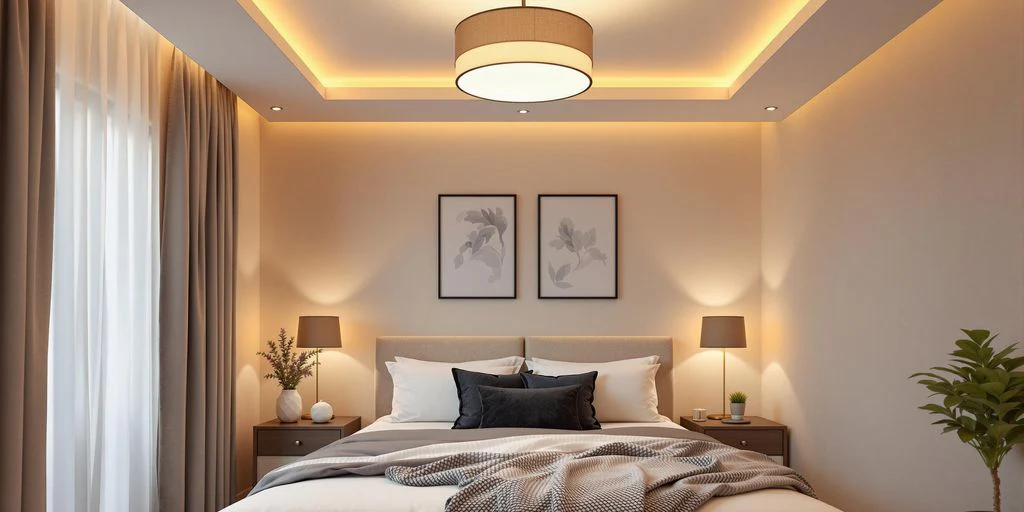
The Rise of Eco-Friendly Lighting: A Consumer Perspective
Sustainability is a growing concern, influencing consumer choices across various industries, including lighting. With increased awareness of environmental issues, individuals and businesses are turning to energy-efficient and sustainable lighting solutions. This article explores consumer awareness, market demand, and trends shaping the adoption of environmentally friendly lighting products.
Understanding Eco-Friendly Lighting: A Greener Choice for the Future

Eco-friendly lighting refers to energy-efficient solutions designed to reduce carbon footprints, lower electricity consumption, and minimize waste while enhancing illumination quality. Popular options include LED bulbs, solar-powered lights, and smart lighting systems that optimize usage through automation and adaptive brightness controls. These solutions not only contribute to environmental conservation but also offer significant cost savings for households and businesses alike.
Key Factors Driving Consumer Demand
Environmental Awareness and Cost Savings
Consumers are increasingly conscious of their environmental impact. Awareness campaigns highlight the benefits of eco-friendly lighting, encouraging sustainable choices. Additionally, while these products may have a higher initial cost, they offer long-term savings by reducing energy use and lasting longer than traditional bulbs.
Government Regulations and Incentives
Many governments have phased out inefficient lighting products while offering incentives for eco-friendly lighting adoption. Tax credits, rebates, and energy-efficiency programs make sustainable lighting solutions more accessible and attractive to consumers. These initiatives not only encourage individuals and businesses to invest in greener alternatives but also accelerate the transition toward a more sustainable future in the lighting industry.
Consumer Preferences in Eco-Friendly Lighting

LED Technology: The Leading Choice

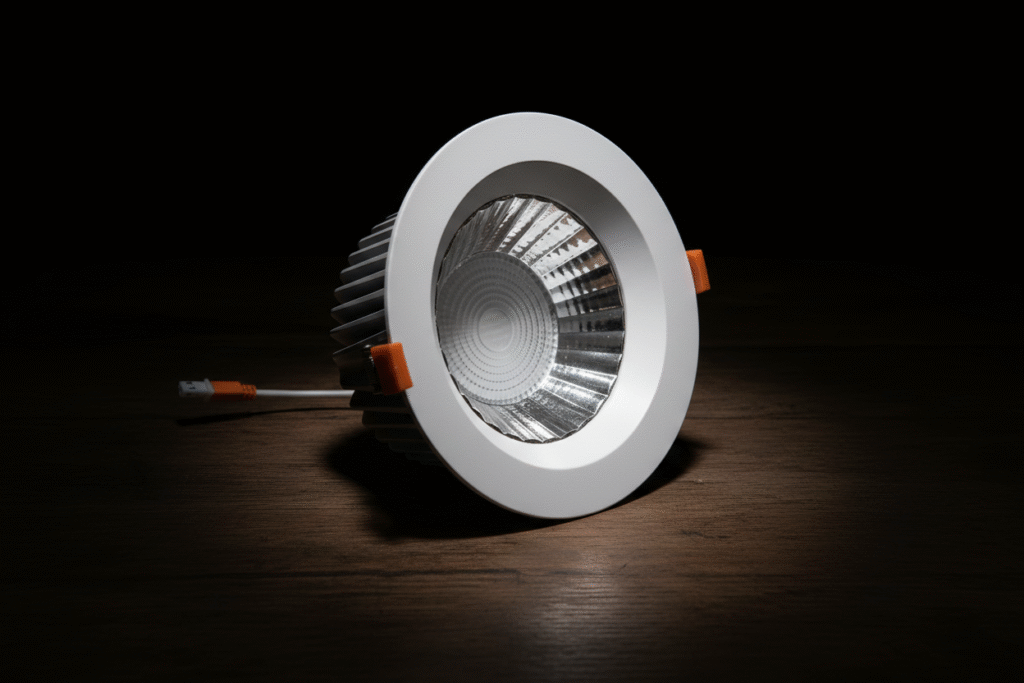
LED lighting is the most popular option due to its efficiency, affordability, and durability. It uses up to 80% less energy than incandescent bulbs and lasts significantly longer. Additionally, LED lights generate minimal heat, making them safer and more energy-efficient. Their versatility allows for a wide range of applications, from residential use to large-scale commercial and industrial settings. With advancements in technology, LED bulbs now come in various color temperatures and brightness levels, allowing consumers to customize lighting based on their preferences. Their longer lifespan significantly reduces replacement frequency, making them a sustainable choice for eco-conscious individuals and businesses alike.
Smart and Automated Lighting
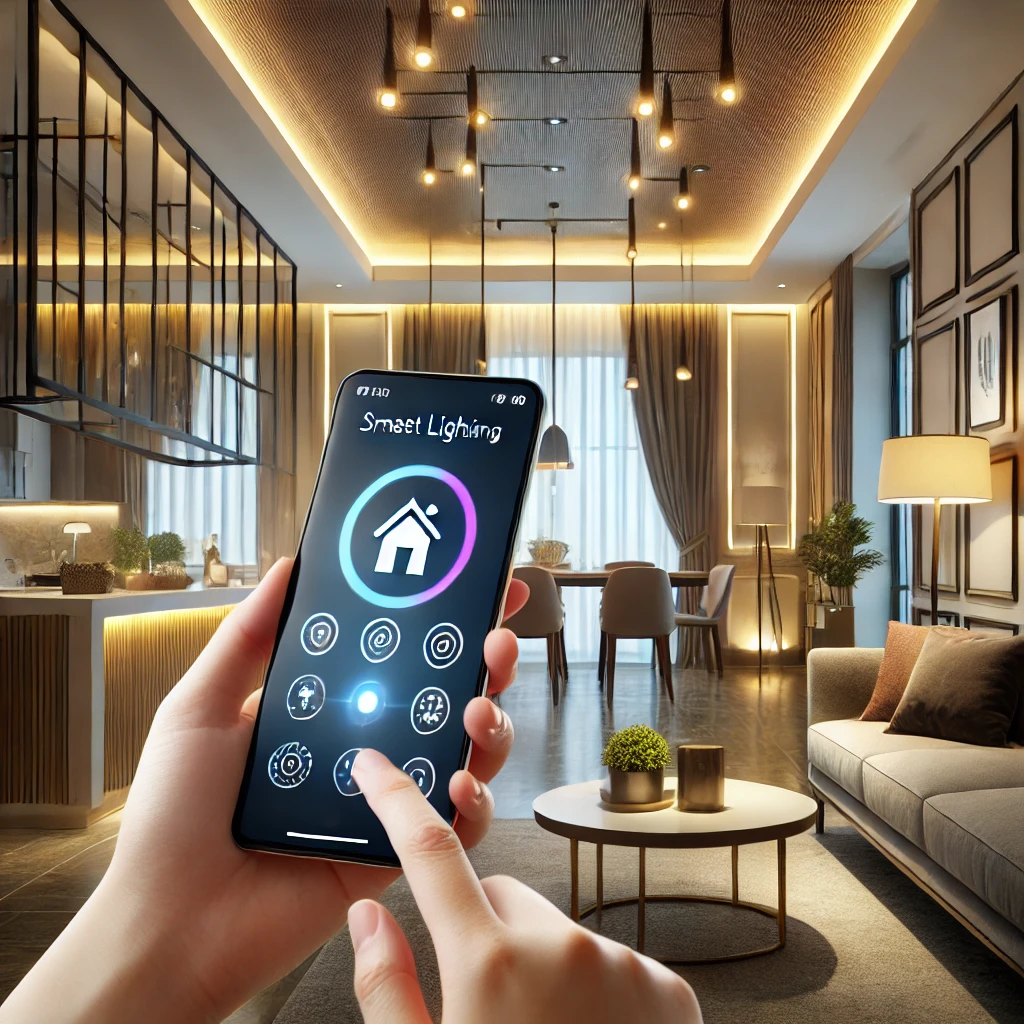
Smart lighting systems allow users to control brightness and energy usage remotely. These eco-friendly lighting solutions help reduce unnecessary power consumption and integrate seamlessly with home automation.
Solar-Powered Solutions

Solar lighting is gaining traction, especially in sunny regions. Many homeowners and businesses invest in solar-powered eco-friendly lighting to reduce reliance on traditional electricity sources.
Market Trends and Innovations
- Smart Home Integration: Consumers prefer lighting solutions compatible with voice assistants and IoT platforms.
- Recyclable and Biodegradable Materials: Manufacturers are developing sustainable materials to reduce e-waste.
- Improved Energy Storage: Advanced battery technologies enhance the reliability of solar-powered lighting.
Tips for Choosing Eco-Friendly Lighting
- Opt for Energy Star-certified products to ensure efficiency and quality.
- Choose LED bulbs over incandescent or fluorescent options for better longevity and savings.
- Consider smart lighting systems to optimize energy usage.
- Look for recyclable and eco-friendly materials in lighting products.
Frequently Asked Questions (FAQ)
What are the benefits of eco-friendly lighting?
Eco-friendly lighting reduces energy consumption, lowers electricity costs, and has a longer lifespan compared to traditional lighting solutions.
Are LED bulbs really more efficient than incandescent bulbs?
Yes, LED bulbs use significantly less energy and last longer, making them a cost-effective and sustainable choice.
How can I integrate smart lighting at home?
Use Wi-Fi-enabled bulbs, connect them to a smart hub or voice assistant, and set schedules to optimize usage.
Take the Next Step Toward Eco-Friendly Lighting
Ready to switch to eco-friendly lighting? Start by replacing old bulbs with energy-efficient LEDs, explore smart lighting options, and take advantage of available incentives. Make a greener choice today!