Smarter Streets: Why Outdoor Lighting Needs to Evolve
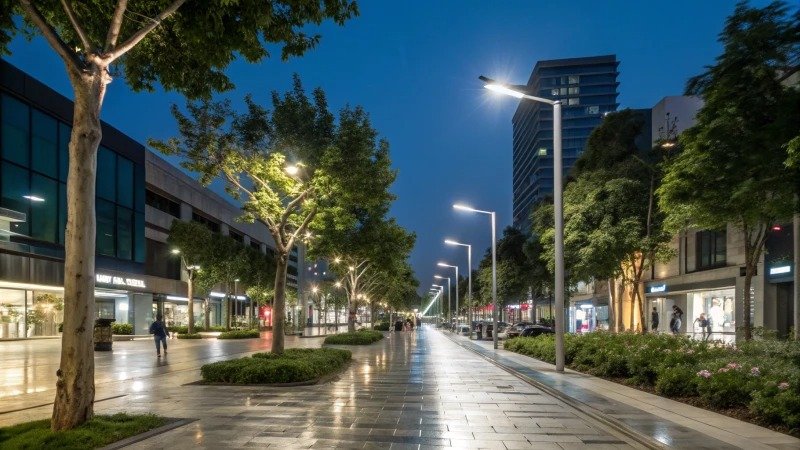
Outdoor lighting is essential for safety, visibility, and the usability of public spaces. However, traditional lighting solutions are among the highest energy consumers in municipalities and industrial zones. As cities strive to lower their carbon footprint and reduce electricity bills, LED lighting energy demand outdoor systems have emerged as the future of sustainable infrastructure. This shift isn’t just about saving money—it’s about embracing a smarter, cleaner way to light up our environments.
How LED Technology Transforms Outdoor Energy Efficiency
Outdated Fixtures, Outdated Efficiency
Conventional outdoor lighting—such as high-pressure sodium or metal halide fixtures—consumes vast amounts of energy. Each unit often draws between 250W to 400W, and their efficiency declines over time. Multiply that by hundreds or thousands of fixtures in a single city, and the energy demand becomes overwhelming. In contrast, LED lighting energy demand outdoor systems can reduce that load by over 60%, offering a compelling case for cities looking to modernize.
The Technical Edge of LED Lighting
What makes LED lighting energy demand outdoor systems so efficient?
Here are a few standout features:
- High luminous efficacy: over 130 lumens per watt.
- Instant-on operation with no warm-up delay.
- Long life span—up to 100,000 hours.
- Resistant to harsh weather conditions.
- Reduced light pollution through directional light control.
These qualities help cities and businesses create safer, more attractive environments while drastically lowering energy consumption.
Real-World Results: Efficiency in Action

A recent case study in Spain showcased how a coastal town replaced 3,000 outdated streetlights with LED lighting energy demand outdoor systems. The result? A 68% reduction in electricity usage and an annual savings of €180,000. Similar successes have been recorded in Canada, where one municipality integrated LED lighting with motion sensors, further cutting down usage during off-peak hours.
Falcon Electronics, a leader in industrial lighting solutions, reports that their smart LED lighting energy demand outdoor systems have helped commercial clients cut lighting energy loads by over 50% without compromising illumination quality.
Implementation: Making the Switch to LED Outdoor Systems
Adopting LED lighting energy demand outdoor systems doesn’t require a complete infrastructure overhaul. Many modern LED units are retrofit-compatible, making upgrades easier and more cost-effective. Key steps include:
- Assessing existing fixtures and consumption levels.
- Identifying high-traffic and high-waste areas.
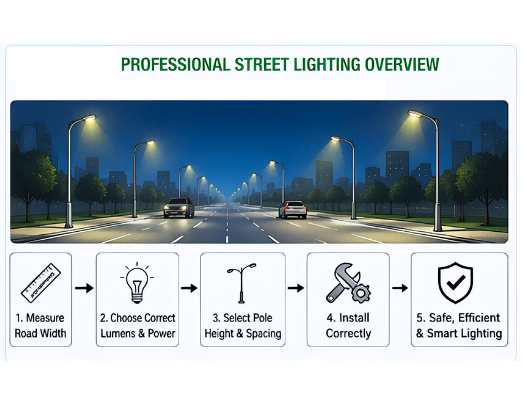
- Selecting the appropriate LED models (e.g., floodlights, streetlamps).
- Integrating smart controls and sensors for enhanced savings.
Falcon Electronics offers tailored solutions that blend LED technology with intelligent automation, allowing users to schedule lighting, monitor usage remotely, and adapt brightness based on activity.
Ready to Cut Energy Demand in Outdoor Lighting?
Modern cities can no longer afford to ignore the advantages of LED lighting energy demand outdoor systems. Whether you manage a public park, industrial lot, or urban street grid, switching to LED can significantly reduce operational costs and environmental impact.
💡 Contact Falcon Electronics today for a free consultation on how to upgrade your infrastructure with next-gen lighting solutions designed to perform, last, and save.
Frequently Asked Questions
Q1: Do LED systems really save energy outdoors?
Yes. LED lighting energy demand outdoor systems use significantly less electricity and offer better illumination than conventional systems.
Q2: How long do LED outdoor fixtures last?
Typically, 50,000 to 100,000 hours—much longer than traditional bulbs.
Q3: Can these systems be automated?
Absolutely. They support timers, motion sensors, and smart dimming controls.
Q4: What’s the upfront cost compared to traditional systems?
While initial costs may be slightly higher, long-term savings in energy and maintenance far outweigh the investment.
Lighting the Way Forward

There’s no question: LED lighting energy demand outdoor systems are redefining how cities approach efficiency, safety, and sustainability. By embracing this proven technology, municipalities and businesses can lead the way toward a smarter and greener future—one light at a time.
Sources:
- U.S. Department of Energy – Solid-State Lighting
- International Energy Agency (IEA) – Energy Efficiency 2023 Report